
What's Happening?
Cushman & Wakefield | Commercial Kentucky has successfully arranged the sale of Mid-City Mall, a 185,000-square-foot former shopping center located in Louisville, Kentucky. The existing structure is slated
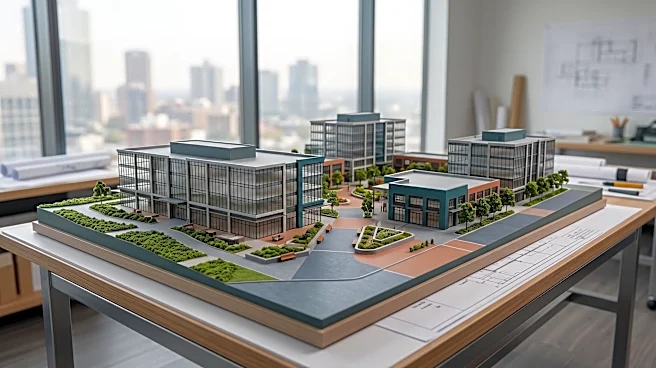
for demolition in January 2027 to pave the way for a new $60 million mixed-use development. This new project, named Mid City Market, will feature a Publix grocery store as its anchor tenant, alongside five additional retail buildings, expanded green spaces, and pedestrian walkways. The development also plans for reduced parking. Current tenants at the front entrance, Raising Cane’s and Heine Brothers Coffee, are expected to remain on the property. The local library branch, currently housed in the mall, will be relocated to a new building on the Beechwood Avenue side of the project. Mid City Market is projected to open in 2028. Craig Collins and Austin English of Cushman & Wakefield | Commercial Kentucky represented the seller, Bardstown Road Investment Co., which had owned the property for 40 years. Atlanta-based Branch Properties, known for developing Publix-anchored shopping centers in the Southeast, acquired the property, with Bardstown Road Investment Co. retaining an undisclosed equity stake.
Why It's Important?
This transaction signifies a major redevelopment initiative in Louisville, Kentucky, transforming an aging shopping center into a modern mixed-use complex. The $60 million investment in Mid City Market is expected to revitalize the area, bringing new retail options, including a Publix grocery store, which often acts as a significant draw for local communities. The inclusion of green space and pedestrian walkways suggests a focus on creating a more community-friendly and walkable environment, aligning with contemporary urban development trends. For the local economy, this project will generate construction jobs and, once operational, new retail employment opportunities. The retention of existing popular tenants like Raising Cane’s and Heine Brothers Coffee, alongside the relocation of the library, ensures continuity for local patrons while integrating new amenities. This redevelopment reflects a broader trend in U.S. commercial real estate where older retail properties are being reimagined to serve evolving consumer needs and urban planning goals, often incorporating a mix of retail, residential, and community spaces.
What's Next?
The immediate next step for the Mid-City Mall site is the scheduled demolition of the existing structure in January 2027. Following demolition, construction will commence on the Mid City Market project, with an anticipated opening in 2028. Branch Properties, the buyer, will lead the development, leveraging its experience with Publix-anchored centers. The relocation of the local library branch to a new building on Beechwood Avenue will also proceed as part of the development plan. Stakeholders, including local residents, businesses, and city planners, will closely monitor the progress of this significant urban renewal project. The success of Mid City Market could serve as a model for future redevelopments of underutilized commercial properties in Louisville and other U.S. cities, demonstrating the potential for revitalizing urban cores through strategic mixed-use projects.
Beyond the Headlines
The redevelopment of Mid-City Mall into Mid City Market highlights a critical shift in the U.S. retail landscape, moving away from traditional enclosed malls towards open-air, mixed-use centers that prioritize convenience, community, and experience. The anchor tenancy of a grocery store like Publix is a key strategy in these new developments, as grocery stores provide essential services that drive consistent foot traffic, benefiting surrounding retail and dining establishments. This trend also reflects changing consumer preferences for accessible, integrated environments where shopping, dining, and community activities can coexist. The project's emphasis on green space and pedestrian access aligns with broader urban planning goals to create more sustainable and livable communities. Furthermore, the retention of an equity stake by the original owner, Bardstown Road Investment Co., suggests a collaborative approach to redevelopment, potentially indicating a shared vision for the long-term success and value creation of the property.