






What's Happening?
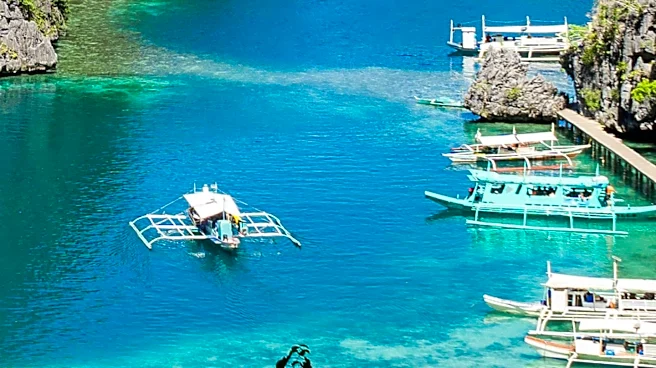
The Philippines has emerged as the top global destination for wellness retreats in 2026, experiencing an impressive 323% increase in search interest. This surge is attributed to its tropical islands, pristine beaches, and peaceful natural surroundings,
which appeal to individuals seeking relaxation and rejuvenation. Following the Philippines, Australia ranks second with a 255% increase, offering diverse landscapes and nature-based wellness experiences. Hungary, known for its thermal baths and spa culture, secured the third spot with a 236% rise. Other countries showing significant growth in wellness retreat interest include the Netherlands, Germany, Vietnam, Romania, Switzerland, Sri Lanka, Italy, Indonesia, Guatemala, Ireland, Morocco, and South Africa, indicating a broad global appetite for restorative travel experiences beyond traditional hotspots.
Why It's Important?
This shift in wellness travel preferences highlights a significant evolution in the global tourism industry. Travelers are increasingly seeking destinations that offer more than just leisure, prioritizing holistic healing, mindfulness, and nature escapes. This trend creates new economic opportunities for countries like the Philippines, which can leverage their natural assets to attract a growing segment of wellness-focused tourists. For the U.S. travel industry, this indicates a need to adapt and potentially diversify its own wellness offerings to remain competitive, as international destinations are rapidly expanding their appeal. The emphasis on unique natural settings and cultural experiences also suggests that authenticity and immersive programs are becoming key drivers for travel decisions, influencing how destinations market themselves and develop their tourism infrastructure.
What's Next?
As these destinations gain popularity, there will likely be increased investment in wellness infrastructure, including new retreat centers, specialized programs, and eco-friendly accommodations. The Philippines, in particular, may see a rapid expansion of its wellness tourism sector, potentially leading to both economic growth and challenges related to sustainable development and environmental preservation. Other countries on the list will also likely enhance their offerings to capitalize on this growing demand. Travel agencies and tour operators will need to adjust their portfolios to include more diverse and specialized wellness retreat packages. Furthermore, there could be a greater focus on integrating local traditions and natural healing practices into these retreats, offering more authentic and unique experiences to travelers.
Beyond the Headlines
The rising popularity of wellness retreats reflects a deeper societal trend towards prioritizing mental and physical well-being in an increasingly fast-paced world. This movement has implications for public health, as more individuals seek proactive ways to manage stress and improve their overall health. Ethically, it raises questions about responsible tourism and ensuring that the growth of wellness tourism benefits local communities and preserves natural environments. Culturally, it can lead to a global exchange of wellness practices and a greater appreciation for diverse healing traditions. Long-term, this trend could influence urban planning and lifestyle choices, as people seek to integrate wellness principles into their daily lives and travel experiences, potentially leading to a more health-conscious global society.