





What's Happening?
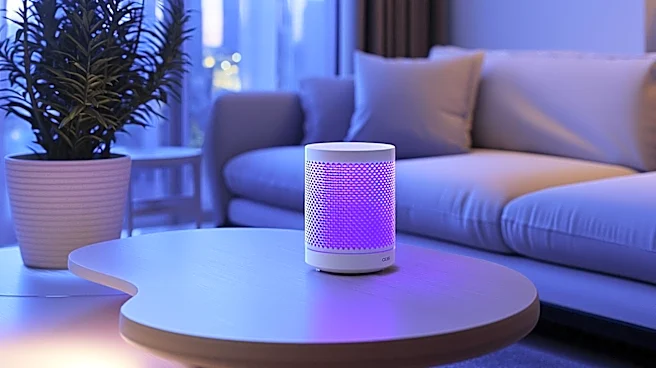
Smart home devices, including smart speakers, displays, streaming devices, and smart TVs, are contributing to increased electricity consumption due to their always-on nature. These devices, designed to remain alert for voice commands and maintain internet
connectivity, consume power even when not actively in use. This constant energy draw, often referred to as 'phantom load' or 'vampire power,' can lead to significant increases in utility bills. To mitigate these costs, users are advised to disable unused features, turn off screens when not in use, unplug devices in rarely used rooms, and switch to energy-saving modes for consoles. These measures can help reduce the energy consumption of smart home setups.
Why It's Important?
The proliferation of smart home technology, while offering convenience and automation, poses a challenge in terms of energy efficiency. As energy costs rise, the cumulative power consumption of multiple always-on devices can significantly impact household utility bills. This issue highlights the need for consumers to be more energy-conscious and proactive in managing their smart home setups. By implementing energy-saving practices, users can reduce their electricity expenses and contribute to broader energy conservation efforts. This is particularly relevant as more households adopt smart technology, potentially leading to increased demand on energy resources.
What's Next?
Consumers are likely to become more aware of the energy implications of their smart home devices and may seek out more energy-efficient models or solutions. Manufacturers might respond by developing devices with lower standby power consumption and enhanced energy-saving features. Additionally, there could be an increase in the adoption of smart power strips and other energy management tools to help users better control their energy usage. As awareness grows, there may also be a push for regulatory standards to ensure that smart devices are designed with energy efficiency in mind.