



What's Happening?
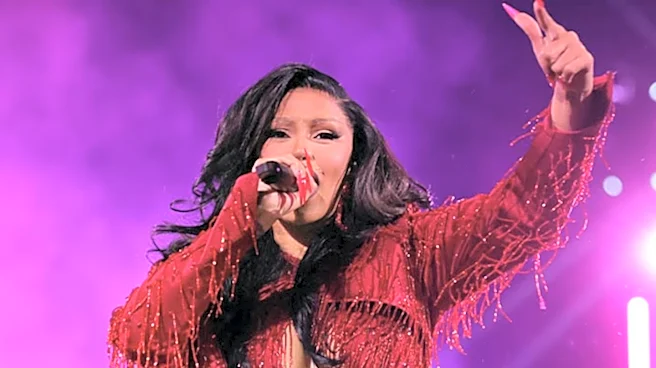
Cardi B has publicly challenged Jamaican concert promoter Ryan Burke to take legal action regarding a disputed payment for a canceled performance at Kingston’s National Stadium. The Grammy Award-winning rapper claims she received only a $900,000 deposit
out of an agreed $1 million advance, which represented half of her total fee. She alleges that Burke failed to meet the deadline for a subsequent payment intended for production costs. According to Cardi B, a $750,000 transfer for production was sent only after she informed his team of her withdrawal, which she promptly returned as it was too late to arrange logistics. Burke, founder of BZR WKND, asserts he paid Cardi B $2.5 million and intends to sue to recover the funds and damages. Cardi B has stated she will countersue for defamation of character. Her agent, Mike 'Mike G' Guirguis, a partner at United Talent Agency (UTA), corroborated her claims, stating she never received her full fee and the promoter failed to meet multiple contractual obligations. The Ministry of Culture, Gender, Entertainment and Sport in Jamaica has denied any involvement or financial commitment to the event, clarifying it was a private commercial engagement.
Why It's Important?
This dispute highlights the complexities and potential pitfalls in high-stakes entertainment contracts, particularly concerning international performances. For artists like Cardi B, ensuring timely and complete payments, along with adherence to production schedules, is crucial for maintaining professional standards and delivering quality shows. The public nature of this disagreement, with both parties threatening legal action and making public statements, could impact the reputations of both the artist and the promoter within the entertainment industry. For promoters, such disputes can lead to significant financial losses, damage to credibility, and difficulties in securing future talent. The involvement of government entities, even if denied, can also raise questions about oversight and support for cultural events. This situation underscores the necessity of clear, legally sound contracts and transparent communication to prevent such conflicts, which ultimately affect fans who anticipate these performances.
What's Next?
The immediate next step appears to be a potential legal battle, as both Cardi B and Ryan Burke have indicated intentions to sue. Cardi B has stated she will countersue for defamation if Burke proceeds with his lawsuit. This will likely involve legal teams from both sides presenting evidence, including emails, text messages, and contractual documents, to support their claims regarding payments and breaches of contract. The outcome of any legal proceedings could set precedents for how similar disputes are handled in the entertainment industry, particularly concerning international performance agreements. Furthermore, the BZR WKND festival, which was still being planned for December 20, according to Burke, may face further scrutiny and challenges in securing artists and regaining public trust, especially as refunds for the canceled October event are still being processed. The public will likely monitor developments closely, given the high profiles of the individuals involved.
Beyond the Headlines
Beyond the immediate financial and legal ramifications, this dispute touches upon broader issues within the global entertainment industry, particularly regarding accountability and transparency in concert promotion. The public exchange of accusations, including allegations of misrepresentation about government involvement, can erode trust between artists, promoters, and the public. This incident may prompt other artists and their management teams to review and strengthen their contractual clauses, especially concerning payment schedules, production responsibilities, and cancellation policies for international engagements. It also highlights the vulnerability of local promoters in managing large-scale events with international stars, where logistical and financial demands are immense. The case could serve as a cautionary tale, emphasizing the need for meticulous due diligence and robust legal frameworks to protect all parties involved and ensure the smooth execution of cultural events.