


What's Happening?
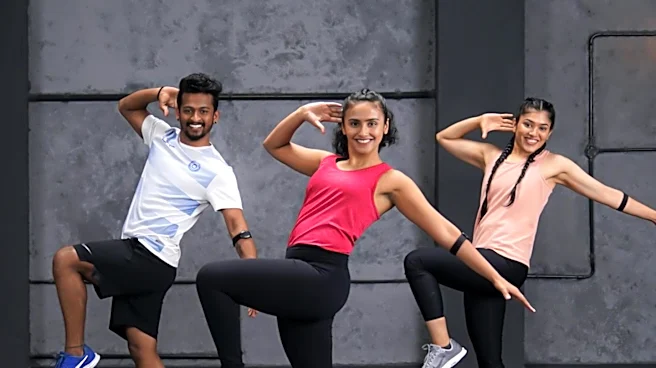
Across the United States, a variety of dance fitness programs are available, catering to different age groups and fitness levels. For active adults, Senior Gold Dance Fitness Aerobics provides a low-impact cardio workout, incorporating classic music genres
like Doo Wop and Motown. Clarksville Parks offers a 'Dance Fitness - Drop-In' class featuring high-energy, hip-hop-inspired moves suitable for all skill levels. Jazzercise at Randolph Fitness Center combines dance-based cardio with strength training. The YMCA of Greater Boston provides multiple options, including Cardio Dance, Zumba Gold, and Zumba Toning classes. Additionally, 'Dance with Weights' offers a free, full-body workout that integrates strength training with dance-inspired movements, hosted by Zev Taublieb, a former D1 and Pro soccer player and 250-hour yoga certified instructor. These programs aim to make fitness enjoyable and accessible through dance.
Why It's Important?
The proliferation of diverse dance fitness programs highlights a growing trend in the U.S. towards engaging and accessible forms of physical activity. These programs are crucial for public health, offering alternatives to traditional workouts that may not appeal to everyone. For older adults, low-impact options like Senior Gold Dance Fitness Aerobics provide a safe way to maintain cardiovascular health and mobility, reducing the risk of age-related health issues. High-energy classes, such as those at Clarksville Parks and Jazzercise, cater to individuals seeking more intense cardio and strength benefits, contributing to improved overall fitness and mental well-being. The availability of free programs like 'Dance with Weights' also addresses economic barriers to fitness, making healthy lifestyles more attainable for a broader population. This variety ensures that more Americans can find a fitness routine that suits their preferences and physical capabilities, fostering a more active and healthier society.
What's Next?
The continued expansion and diversification of dance fitness programs are likely. As awareness of the benefits of dance for physical and mental health grows, more communities and fitness centers may introduce similar offerings. There could be an increase in specialized classes targeting specific demographics, such as programs for individuals with limited mobility or those recovering from injuries. The integration of technology, such as online streaming and virtual classes, is also expected to grow, making these workouts even more accessible to people who prefer to exercise at home or have scheduling constraints. Furthermore, collaborations between fitness instructors and health organizations could lead to more structured programs aimed at addressing specific public health goals, such as combating obesity or promoting active aging. The trend towards combining dance with other fitness elements, like strength training in 'Dance with Weights,' suggests future innovations in hybrid workout formats.
Beyond the Headlines
Beyond the immediate fitness benefits, the rise of dance workouts has broader cultural and social implications. These programs often foster a sense of community and belonging, as participants share a common interest and engage in group activities. This social aspect can be particularly beneficial for mental health, combating loneliness and promoting positive social interactions. The incorporation of diverse music genres, from Motown to hip-hop, also reflects and reinforces cultural diversity within fitness spaces, making these environments more inclusive. Moreover, the emphasis on fun and enjoyment in dance fitness challenges traditional perceptions of exercise as a chore, potentially shifting societal attitudes towards physical activity. This cultural shift could lead to a more holistic approach to well-being, where physical activity is seen not just as a means to an end, but as an integral and enjoyable part of daily life, contributing to long-term adherence to healthy habits.