







What's Happening?
Roundabout Entertainment, a post-production studio based in Burbank, California, is set to lay off 81 employees, with the job cuts taking effect on December 29. This decision reflects a broader contraction within Los Angeles' film and TV industry. The
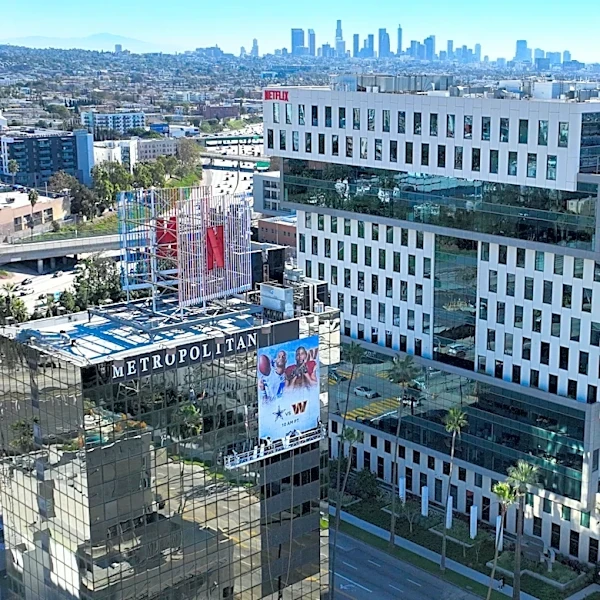
company, founded in 1992, offers various post-production services, including color correction, syndication, and subtitling, and has worked on significant projects such as the Oscar-winning film 'One Battle After Another,' the 50th-anniversary restoration of 'One Flew Over the Cuckoo’s Nest,' and Netflix’s animated comedy 'Leo.' Its client roster includes major studios like Walt Disney, Amazon, Sony, and Universal. The layoffs are part of a restructuring plan initiated by new ownership, according to an executive not authorized to comment. This move highlights the ongoing challenges faced by the local post-production sector, which has seen a decline in California's share of U.S. post-production employment from 53% to 42% over the last 13 years, as reported by CVL Economics.
Why It's Important?
The layoffs at Roundabout Entertainment underscore the significant economic pressures and shifts impacting the U.S. entertainment industry, particularly in California. The decline in local post-production jobs, with over 80 film and television production service businesses in Los Angeles closing since 2022, indicates a broader trend of production moving to other states and countries. This exodus is driven by escalating costs and fierce competition from regions offering more attractive incentives. For California, this means a loss of high-paying jobs and a weakening of its historical dominance in the film and TV sector. The state's economy, heavily reliant on the entertainment industry, stands to lose substantial revenue and cultural influence. Workers in the post-production sector face job insecurity and the need to adapt to a changing landscape, potentially requiring relocation or retraining. The situation also highlights the ongoing debate about the effectiveness of state-level tax credits and incentives in retaining film and TV production.
What's Next?
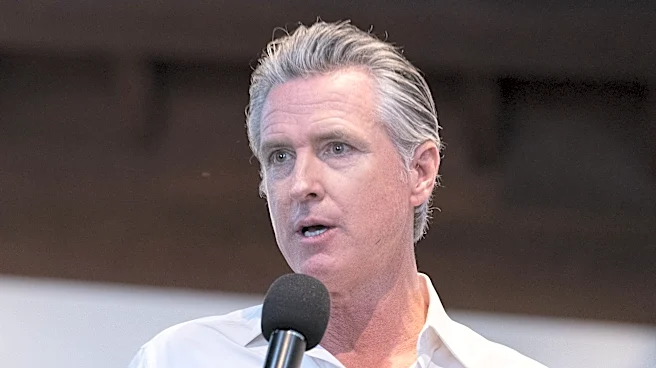
In response to the industry's contraction, California Governor Gavin Newsom recently signed the state's first stand-alone post-production credit. This program, with a budget of $10 million, will provide a 35% to 50% credit on qualified post-production expenses incurred in California, even for productions filmed elsewhere. Additionally, Governor Newsom has called for an expansion of California’s existing Film and Television Tax Credit Program, proposing an increase from $750 million to at least $1 billion annually. This expansion would allow credits to be applied to actors' salaries and extend the program through 2040. These legislative efforts aim to combat the outflow of production and retain jobs within the state. The effectiveness of these measures will be closely watched as the industry continues to evolve, with stakeholders hoping they can reverse the trend of declining local employment and maintain California's position as a global entertainment hub.
Beyond the Headlines
The challenges faced by Roundabout Entertainment and the broader L.A. post-production industry point to deeper structural issues within the global entertainment landscape. The increasing mobility of film and TV production, driven by financial incentives and technological advancements, challenges the traditional concentration of the industry in Hollywood. This shift raises questions about the long-term sustainability of localized creative economies and the need for states and countries to adapt their policies to remain competitive. Beyond economic implications, there's a cultural impact as the 'Hollywood' identity becomes less tied to a specific geographic location. The reliance on tax credits and incentives also sparks ethical debates about corporate subsidies and their true return on investment for taxpayers. The situation may lead to a more distributed and globalized production model, potentially altering the creative and logistical dynamics of filmmaking and television production in the coming years.