

What's Happening?
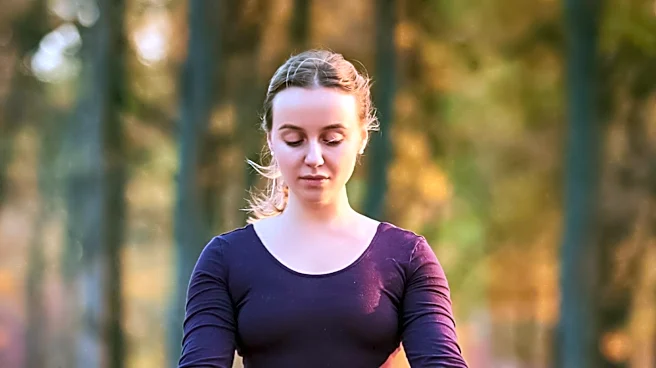
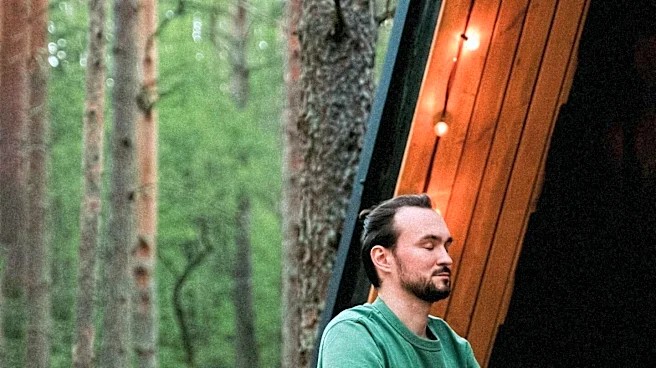
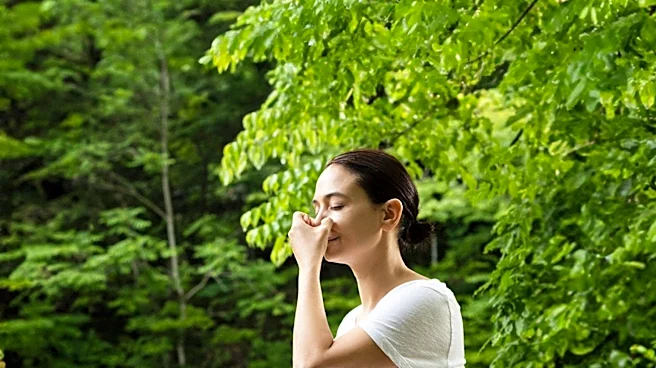
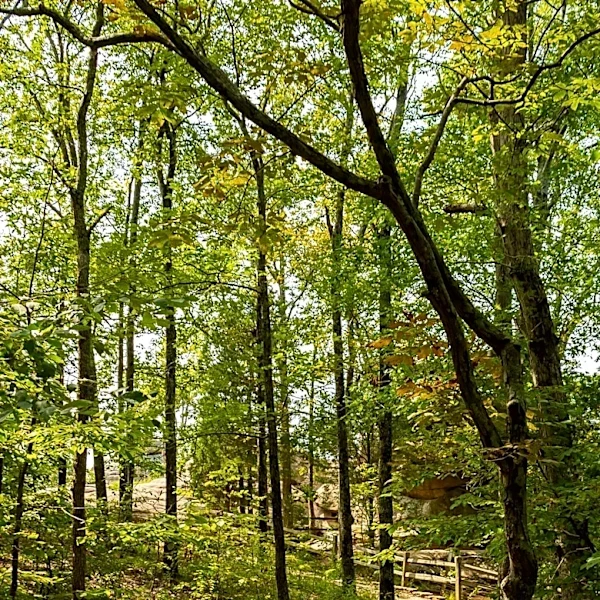
Forest bathing, known as Shinrin-yoku, is a wellness practice that originated in Japan in 1982. It encourages individuals to spend quiet time in natural environments, particularly forests, and engage all five senses to absorb their surroundings. This
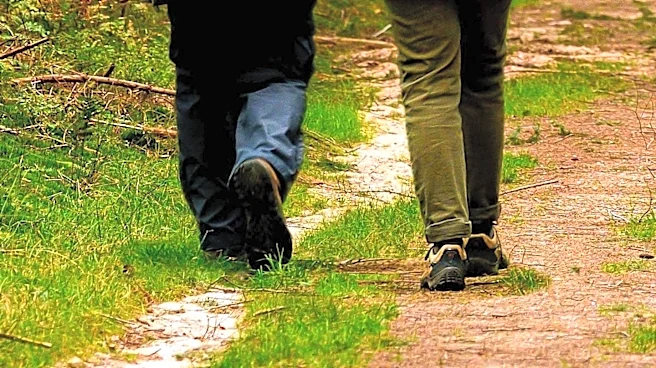
practice is not about strenuous physical activity like hiking or swimming, but rather about slowing down, walking mindfully, sitting quietly, and paying close attention to nature. The core idea is to unplug from digital devices and daily stressors, allowing the natural environment to provide a sense of calm and rejuvenation. The practice has gained traction globally as a method to combat stress and anxiety prevalent in modern society, with various programs and events now offering forest bathing experiences.
Why It's Important?
The growing popularity of forest bathing highlights a broader societal need for stress reduction and mental well-being in the U.S. and worldwide. As individuals become increasingly connected to technology and urban environments, practices like Shinrin-yoku offer a counter-balance, promoting a return to nature for therapeutic benefits. Studies suggest that engaging in forest bathing can lead to reduced stress levels, improved mood, and potentially a boost in the immune system. This trend is significant for the wellness industry, potentially leading to new offerings in eco-tourism, mindfulness retreats, and corporate wellness programs. It also underscores a shift in public perception towards holistic health approaches that integrate environmental interaction as a key component of well-being.
What's Next?
The continued expansion of forest bathing practices is anticipated, with more wellness centers, parks, and private organizations likely to offer structured Shinrin-yoku sessions. As awareness grows, there may be increased research into the physiological and psychological benefits of nature immersion, further solidifying its place in mainstream wellness. This could lead to collaborations between healthcare providers and nature-based therapy practitioners. Additionally, educational initiatives might emerge to teach individuals how to practice forest bathing independently, fostering a deeper connection between people and their local natural spaces. The practice may also see integration into public health recommendations for stress management and mental health support.
Beyond the Headlines
Beyond its immediate health benefits, the rise of forest bathing reflects a deeper cultural shift towards valuing nature and mindfulness. It challenges the fast-paced, productivity-driven ethos of modern life, encouraging a slower, more contemplative existence. This practice also subtly promotes environmental stewardship by fostering a personal connection to natural landscapes, potentially inspiring greater advocacy for conservation and green spaces. Ethically, it raises questions about equitable access to natural environments, as urban populations may have limited opportunities for such immersion. Legally, there could be implications for land use and public access to forests, as demand for these spaces for wellness activities increases. Culturally, it represents a blending of traditional Eastern wisdom with contemporary Western wellness trends, highlighting a global exchange of health practices.