





What's Happening?
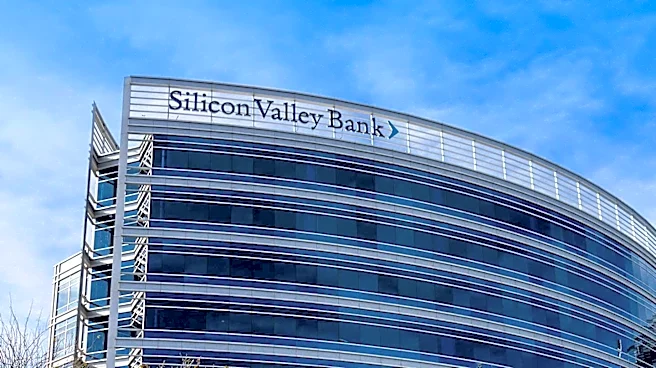
A new report on the collapse of Silicon Valley Bank (SVB) highlights that deregulatory tailoring rules implemented by the Federal Reserve's board between 2019 and 2021 contributed to the bank's vulnerability. These rules, championed by then-Chair Jerome
Powell, then-Vice Chair for Supervision Randal Quarles, and then-Governor Michelle Bowman, weakened regulatory safeguards for banks like SVB. Specifically, two exemptions created by these tailoring rules, along with a third exemption predating tailoring but narrowed in 2019, allowed SVB to exclude unrealized gains and losses on available-for-sale securities from regulatory capital. SVB, with approximately $212 billion in assets when it failed, was also exempt from the full liquidity coverage ratio requirement and only underwent stress testing every other year after a multiyear transition period. The report suggests that the board's decision to go beyond the 2018 deregulation law's directive to weaken regulatory safeguards made SVB more susceptible to failure.
Why It's Important?
This analysis is important because it directly links specific deregulatory actions by the Federal Reserve to a significant bank failure, raising questions about the efficacy and wisdom of such policies. The collapse of SVB had widespread implications, causing market instability and requiring government intervention to protect depositors. The report suggests that had stronger regulations been in place, such as requiring banks over $100 billion in assets to reflect unrealized losses in capital, apply the full liquidity coverage ratio, and undergo annual stress tests for interest-rate risk, SVB's vulnerabilities might have been identified and addressed earlier. This situation underscores the critical role of robust regulation in preventing systemic risk within the U.S. financial system and protecting the broader economy from the fallout of bank failures. It also highlights the tension between regulatory easing and financial stability, impacting public trust in financial institutions and regulatory bodies.
What's Next?
The report's findings suggest that the Federal Reserve should not delay in implementing obvious fixes to prevent future bank failures. These include requiring banks with over $100 billion in assets to reflect unrealized losses on available-for-sale securities in capital, applying the full liquidity coverage ratio to them, and subjecting them to annual stress tests that incorporate interest-rate risk scenarios. While the Fed has proposed expanding the recognition of unrealized securities losses in capital, this reform remains unfinished and is accompanied by broader proposed reductions in capital requirements. The ongoing debate and potential for further reports in 2027 indicate a continued focus on re-evaluating regulatory frameworks. The question remains whether Fed governors will prioritize immediate action to strengthen regulations or continue to engage in discussions about past failures, impacting the future stability of the U.S. banking sector.
Beyond the Headlines
The SVB collapse and the subsequent scrutiny of the Federal Reserve's deregulatory tailoring project reveal deeper implications regarding the balance between fostering economic growth and ensuring financial stability. The decision to weaken regulatory safeguards for mega-regional banks, based on the misguided view that they were being harmed by post-2008 crisis rules, highlights a potential blind spot in regulatory philosophy. This event underscores the ethical and practical imperative for regulators to maintain a cautious stance, recognizing that even seemingly minor exemptions can accumulate to create significant systemic vulnerabilities. The emphasis on supervision over robust rules, as critiqued in the report, suggests a fundamental misunderstanding of how financial risks propagate. The long-term shift could involve a re-evaluation of the entire deregulatory trend, potentially leading to a more stringent regulatory environment for mid-sized and large banks to prevent similar crises and restore public confidence in the banking system's resilience.