



What's Happening?
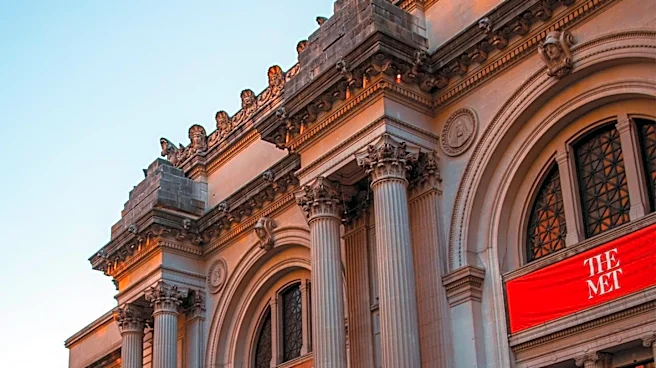
The Metropolitan Museum of Art's Costume Institute has announced that its spring 2027 exhibition will celebrate the work of British designer John Galliano. The exhibition, titled 'John Galliano: Horizons,' will offer a retrospective of his career, with
the Met Gala using Galliano as its theme. This decision has sparked controversy due to Galliano's past antisemitic and racist outbursts, which led to his conviction for a hate crime in 2011. Despite his influential career at Givenchy and Dior, Galliano's history has reignited debates over his redemption and the appropriateness of honoring him at such a prestigious event.
Why It's Important?
The decision to honor Galliano at the Met Gala raises significant questions about accountability and redemption in the fashion industry. It highlights the ongoing tension between celebrating artistic achievements and addressing past misconduct. The controversy also reflects broader societal debates about forgiveness and the extent to which individuals can be rehabilitated after public scandals. The Met Gala's choice could influence public perceptions of the fashion industry and its willingness to confront ethical issues, potentially impacting its reputation and future events.
What's Next?
The Met Gala and the Costume Institute may face continued scrutiny and pressure from various stakeholders, including cultural critics and advocacy groups. The exhibition is set to open in May 2027, and the museum has stated that it will address Galliano's past conduct alongside his creative accomplishments. This approach may serve as a test case for how cultural institutions handle complex legacies. The fashion industry and its leaders may also need to engage in broader discussions about diversity, inclusion, and ethical accountability.
Beyond the Headlines
The controversy surrounding Galliano's honor at the Met Gala underscores the challenges of balancing artistic recognition with ethical considerations. It raises questions about the role of cultural institutions in shaping public discourse and the potential for exhibitions to serve as platforms for dialogue on difficult issues. The situation also highlights the importance of transparency and engagement with affected communities, as well as the need for ongoing efforts to address systemic issues within the fashion industry.