




What's Happening?
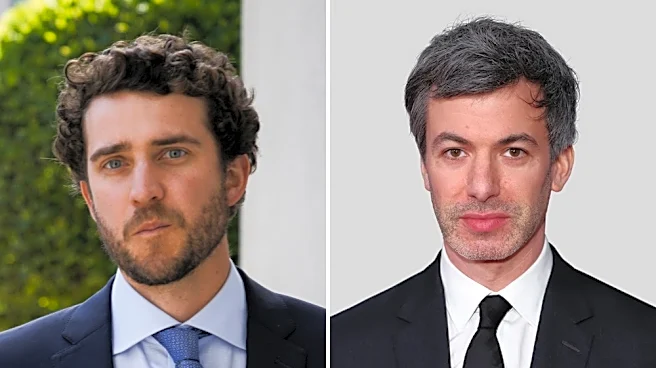
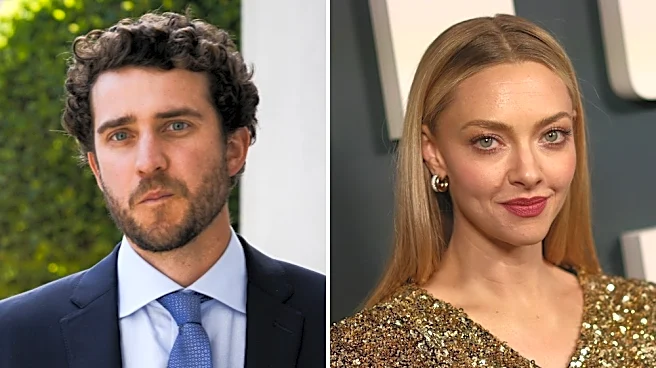
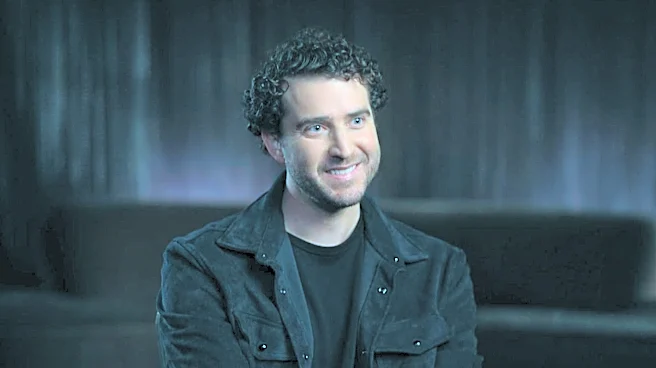
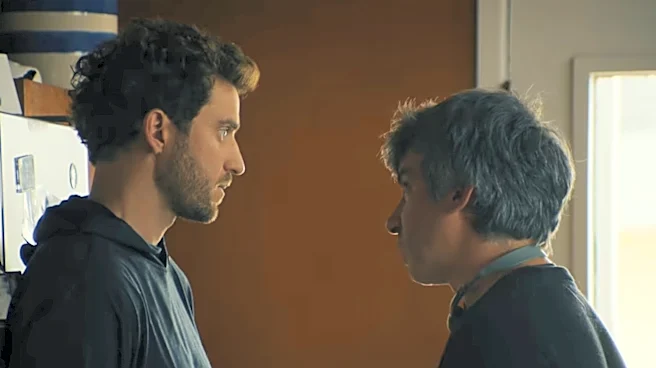
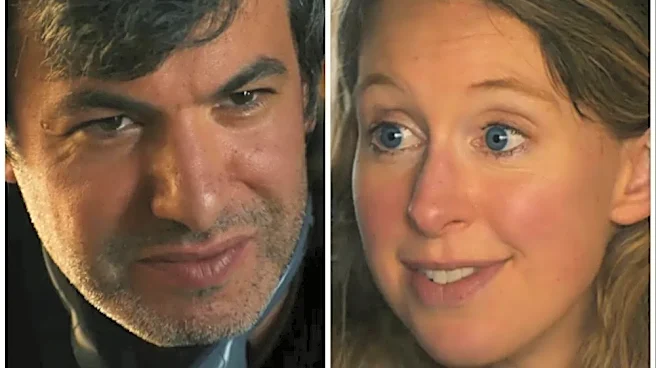
The documentary 'You Can See Everything,' co-directed by Nathan Fielder and Lance Oppenheim, is set for its European release, beginning November 20 in the United Kingdom and Ireland, with other European territories following in late December. The film,
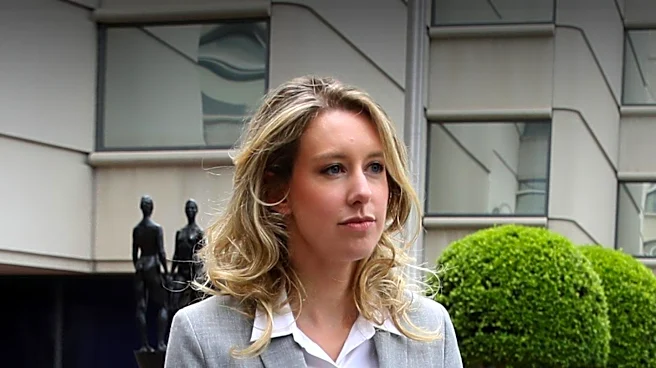
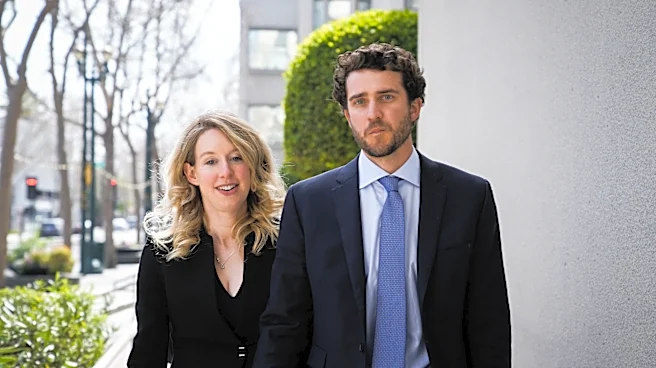
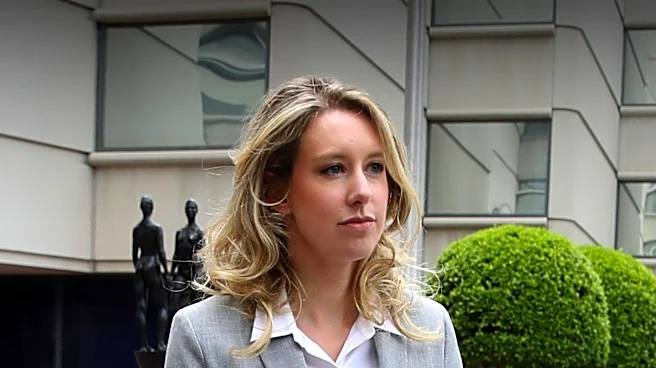
which premiered at the Telluride Film Festival in September, focuses on Elizabeth Holmes, the convicted American fraudster behind Theranos. The documentary delves into the weeks leading up to Holmes's prison sentence for defrauding investors. It is described as an almost three-hour-long exploration of perception, performance, media, and truth, offering a psychologically tense and darkly comic perspective that aims to subvert audience expectations regarding Holmes's story. The film has generated significant buzz since its festival debut.
Why It's Important?
The release of 'You Can See Everything' is significant for several reasons. It brings a high-profile documentary about a major U.S. corporate scandal to a wider international audience, potentially reigniting discussions about corporate ethics, the startup culture, and the consequences of fraud. The involvement of acclaimed directors Nathan Fielder and Lance Oppenheim, known for their unique storytelling approaches, suggests a nuanced and potentially critical examination of Holmes's narrative, which could influence public perception and media portrayals of similar figures. The film's buzz and anticipated release highlight the continued public fascination with the Theranos saga and its implications for the tech and healthcare industries, both in the U.S. and globally. It also underscores the power of documentary filmmaking to shape public discourse around complex legal and ethical issues.
What's Next?
Following its European theatrical release, 'You Can See Everything' is expected to continue generating discussion and critical analysis. The film's reception in Europe could influence its broader international distribution and potential awards season consideration. Its detailed portrayal of Elizabeth Holmes's final weeks before imprisonment may offer new insights into her character and the events surrounding Theranos's collapse, potentially leading to further media coverage and public debate. The documentary's focus on perception and performance could also prompt a re-evaluation of how public figures are presented and perceived, particularly in high-stakes business environments. The film's success may also pave the way for more investigative documentaries exploring the intersection of technology, ambition, and ethical boundaries.
Beyond the Headlines
Beyond its immediate impact, 'You Can See Everything' could contribute to a deeper cultural conversation about the nature of truth and deception in the digital age. The documentary's exploration of how Holmes manipulated perceptions and performed a certain persona raises questions about media literacy and the critical consumption of information. It also touches upon the ethical responsibilities of entrepreneurs and investors in the fast-paced startup ecosystem, where hype can often overshadow substance. The film's narrative, centered on a figure who became a symbol of Silicon Valley's excesses, may serve as a cautionary tale, influencing future regulatory discussions and investment practices. The artistic choices made by Fielder and Oppenheim in presenting such a complex figure could also set new benchmarks for documentary storytelling, blending investigative journalism with psychological depth.