





What's Happening?
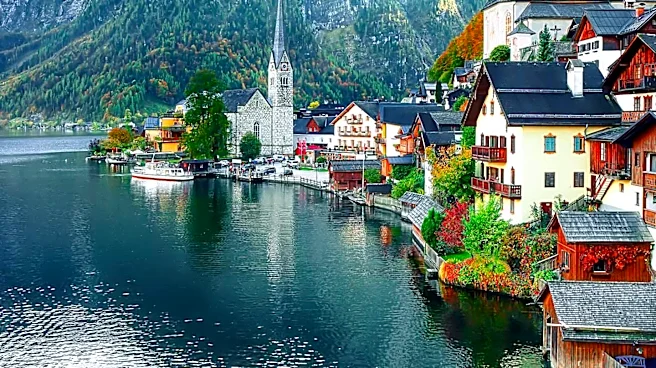
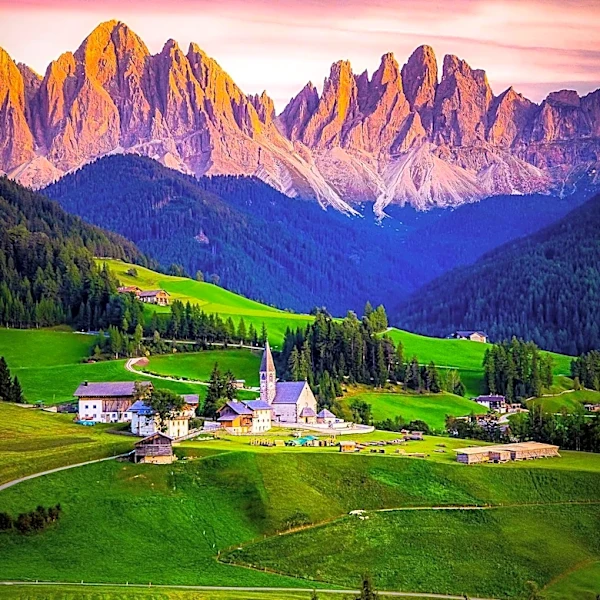
A new travel trend, termed 'townsizing,' is emerging, where individuals opt for smaller, less crowded towns and villages over popular, bustling tourist destinations. This shift is driven by a desire for more authentic experiences, cultural immersion,
and a relaxed atmosphere, avoiding the common issues of peak-season travel such as long queues, high accommodation prices, and overcrowded streets. HomeToGo, a travel platform, has compiled a ranking of Europe's top lesser-known destinations that embody this trend. The ranking considers various factors including weather, gastronomy, landscape, hiking opportunities, leisure activities, and accommodation prices. Among the top destinations highlighted are Sozopol in Bulgaria, Beddgelert in Wales, Vogüé in France, Bacharach in Germany, and Potes in Spain. Tihany, Hungary, also made the list, securing the 31st position out of 50. This trend signifies a growing preference for quality over quantity in travel, focusing on local engagement and sustainable tourism.
Why It's Important?
The townsizing trend holds significant implications for the U.S. travel industry and American tourists. As European destinations become increasingly crowded, U.S. travelers seeking unique and less commercialized experiences may find these smaller European towns more appealing. This could lead to a diversification of travel patterns, potentially shifting interest away from traditional European hotspots. For U.S. travel agencies and tour operators, understanding and adapting to this trend will be crucial for developing new itineraries and marketing strategies that cater to this evolving demand. Furthermore, the emphasis on supporting local businesses and fostering deeper connections with local communities aligns with a growing desire among some American travelers for more responsible and impactful tourism. This trend could also influence domestic travel within the U.S., encouraging exploration of smaller American towns and rural areas as alternatives to major cities, thereby boosting local economies in less-visited regions.
What's Next?
The townsizing trend is expected to continue gaining traction, particularly as travelers increasingly prioritize unique and less stressful experiences. Travel platforms and tourism boards are likely to further promote these 'hidden gems' to cater to this growing market segment. We may see an increase in specialized travel packages focusing on cultural immersion, outdoor activities, and local gastronomy in smaller towns. For U.S. travelers, this means more options for off-the-beaten-path European adventures, potentially at more affordable prices compared to major cities. Local economies in these smaller European towns stand to benefit from increased tourism revenue, which can be more directly channeled into supporting local businesses and preserving cultural heritage. Conversely, popular tourist destinations might need to re-evaluate their strategies to manage crowds and maintain visitor satisfaction, possibly by promoting off-peak travel or diversifying their offerings to include more authentic local experiences.
Beyond the Headlines
Beyond the immediate economic and travel implications, the townsizing trend reflects a broader cultural shift towards valuing authenticity, sustainability, and a slower pace of life. It challenges the conventional notion of tourism, which often prioritizes iconic landmarks and bustling cityscapes, by highlighting the richness and charm found in smaller communities. This movement could foster a greater appreciation for local cultures and traditions, encouraging travelers to engage more deeply with the places they visit rather than merely observing them. Ethically, it promotes a more equitable distribution of tourism benefits, directing economic support to areas that might otherwise be overlooked. Environmentally, by dispersing tourists away from over-visited sites, it could help alleviate the ecological strain on popular destinations. This trend also encourages a more mindful approach to travel, where the journey itself and the quality of interaction with a destination become as important as the destination's fame.