


What's Happening?
Walmart is significantly expanding its restaurant delivery services, initially by delivering Dunkin' products from its own stores and then extending to most of Dunkin's 10,000 U.S. locations, many of which are outside Walmart premises. This initiative
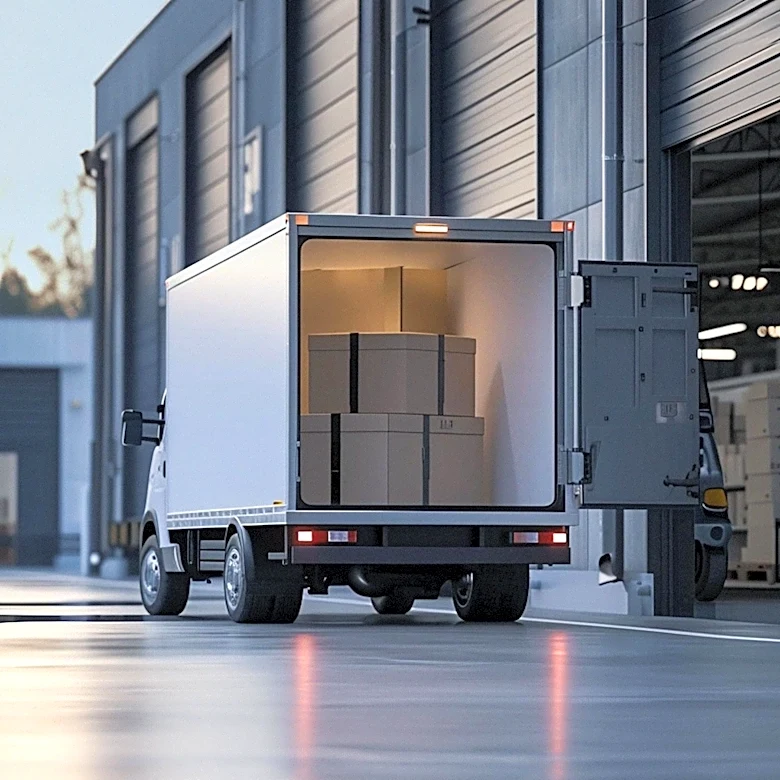
builds on a similar program with in-store Subway restaurants and marks Walmart's entry into direct competition with established food delivery platforms like Uber Eats and DoorDash. The new service, called Walmart Restaurant Delivery, aims to leverage Walmart's existing logistics network, vast customer base, and the convenience of combining restaurant orders with general merchandise. Walmart views this as a natural extension of its focus on value and convenience, noting a 48% growth in fast delivery (under 30 minutes) in the U.S. during the last quarter.
Why It's Important?
This move by Walmart represents a significant disruption in the food delivery market, potentially reshaping the competitive landscape. With its extensive physical footprint, established supply chain, and massive customer base, Walmart poses a formidable threat to existing delivery giants. The ability for customers to combine restaurant orders with grocery and general merchandise purchases offers a unique value proposition that competitors currently lack. This could lead to increased price competition and pressure on profit margins for all players in the delivery sector. For consumers, it could mean more integrated and convenient shopping experiences, potentially reducing delivery fees or offering bundled services. The success of Walmart's venture could also influence other large retailers to enter the restaurant delivery space, further fragmenting the market.
What's Next?
Walmart is expected to gradually roll out its Dunkin' delivery service across the U.S. over the next year, closely monitoring its performance and customer adoption. The company will likely evaluate the efficiency of its delivery system, particularly as it expands to locations outside its own stores, which presents different logistical challenges. If successful, Walmart may seek to partner with other national restaurant chains, further broadening its delivery offerings and solidifying its position as a major player. Competitors like Uber Eats and DoorDash will likely respond by enhancing their own services, potentially through new partnerships, loyalty programs, or technological innovations, to retain market share. The coming months will be crucial in determining the long-term impact of Walmart's aggressive entry into the restaurant delivery sector.
Beyond the Headlines
Walmart's expansion into restaurant delivery signifies a broader trend of convergence in retail and service industries, where traditional boundaries are blurring. This strategy leverages Walmart's physical assets and logistical prowess to create a 'super-app' like experience, where consumers can fulfill multiple needs through a single platform. This could lead to a redefinition of convenience, pushing other retailers and delivery services to innovate beyond their core offerings. Furthermore, it highlights the increasing importance of 'last-mile' delivery capabilities as a competitive advantage in the e-commerce era. The move also raises questions about the future of gig economy workers, as Walmart's Spark Driver platform will be central to this expansion, potentially impacting the labor dynamics within the delivery sector. This strategic shift could fundamentally alter consumer expectations for speed, convenience, and integrated services.