

What's Happening?
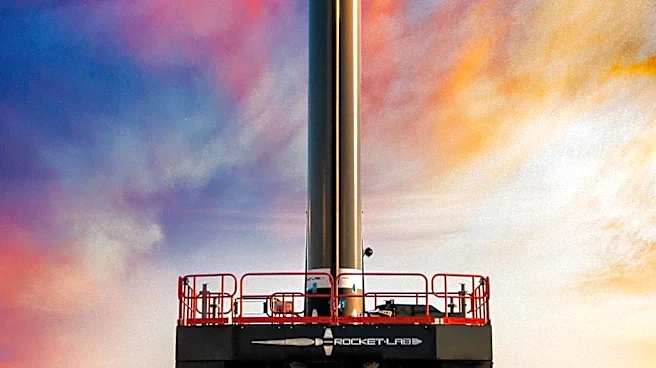
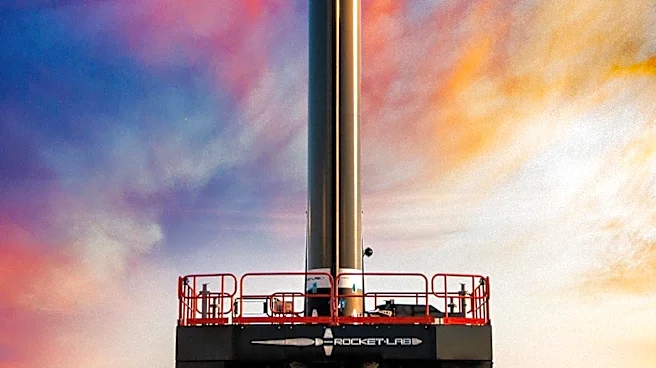
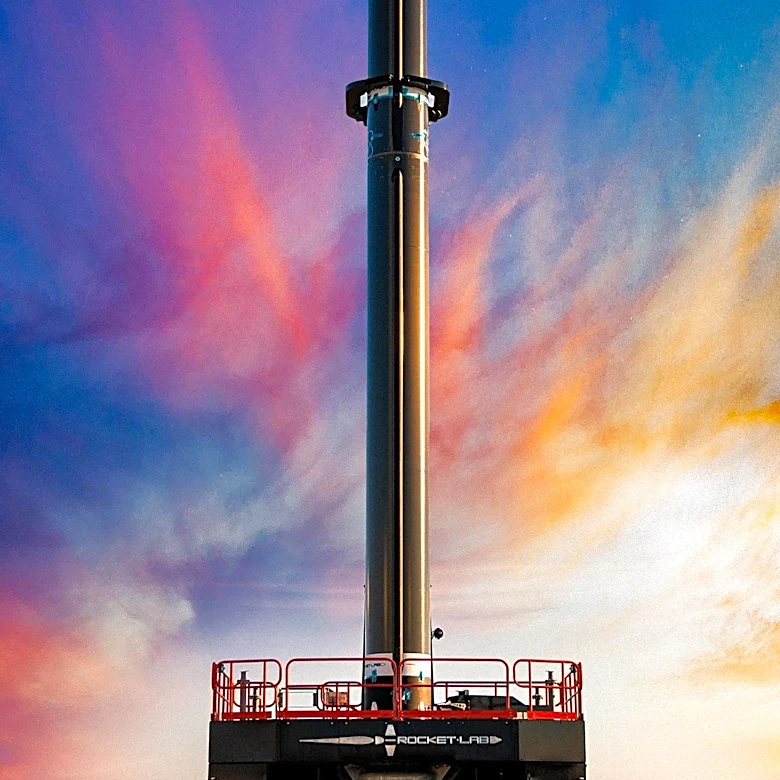
Peter Beck, CEO of Rocket Lab, has indicated that the company has not yet set a definitive launch date for its Neutron rocket. However, Beck anticipates that a launch date will be established following the completion of first-stage tank testing, which
is projected to occur in the first quarter of 2027. This timeline provides a clearer, albeit still preliminary, roadmap for the development and deployment of Rocket Lab's next-generation launch vehicle. The Neutron rocket is a key component of Rocket Lab's strategy to expand its capabilities in the space launch market, aiming to offer a medium-lift option that complements its smaller Electron rocket. The company's progress on Neutron is being closely watched by industry observers as it represents a significant step in Rocket Lab's growth trajectory and its ambition to compete with larger players in the commercial space sector.
Why It's Important?
The development and eventual launch of Rocket Lab's Neutron rocket are significant for the U.S. space industry as they introduce a new competitor in the medium-lift launch market. This increased competition could lead to more innovation, lower launch costs, and greater access to space for various payloads, including satellites for communication, Earth observation, and scientific research. Rocket Lab, a U.S.-based company, is positioning Neutron to offer a competitive edge against established players like SpaceX's Starship, potentially diversifying launch options for both government and commercial clients. Success with Neutron would solidify Rocket Lab's position as a major player in the global space economy, fostering job creation and technological advancements within the U.S. aerospace sector. Conversely, any significant delays or technical setbacks could impact investor confidence and the broader market's perception of emerging launch providers.
What's Next?
The immediate next step for Rocket Lab is the completion of the first-stage tank testing for the Neutron rocket, which is expected in the first quarter of 2027. Following successful testing, the company plans to set a firm launch date, which will be a critical milestone for both Rocket Lab and the broader space industry. Industry stakeholders, including potential customers and investors, will be closely monitoring these developments for further clarity on Neutron's operational timeline. The competitive landscape with SpaceX's Starship will also continue to evolve, with both companies likely to make further announcements regarding their respective launch capabilities and pricing strategies. Future developments will likely include more detailed specifications of Neutron's capabilities, potential launch contracts, and further insights into Rocket Lab's long-term strategic vision for its launch services.
Beyond the Headlines
The ongoing development of rockets like Neutron and Starship signifies a broader shift in the space industry towards reusable launch vehicles and increased launch frequency. This trend has profound implications for the accessibility of space, potentially democratizing access for smaller nations and private entities. The competitive dynamic between Rocket Lab and SpaceX, as highlighted by Peter Beck's comments, underscores a healthy rivalry that drives innovation and efficiency. Beyond the immediate commercial benefits, the success of these ventures contributes to national strategic interests, including maintaining leadership in space technology and enhancing national security through robust satellite infrastructure. The ethical considerations surrounding increased space debris and the sustainable use of orbital resources will also become more prominent as launch activities intensify, prompting discussions on international regulations and best practices for space operations.