




What's Happening?
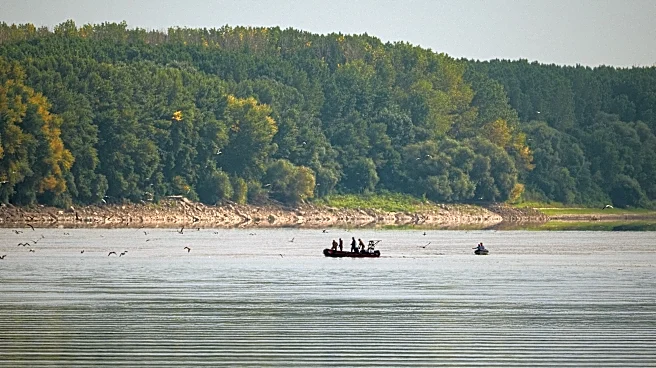
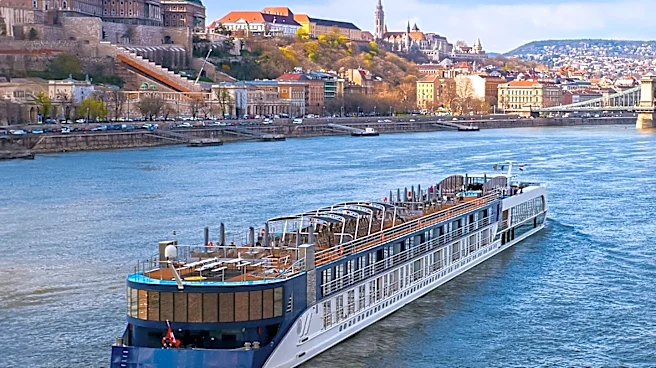
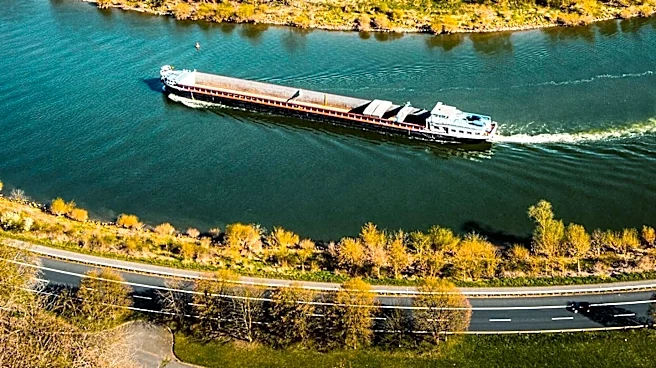
River cruise lines in Europe are facing significant challenges due to low water levels on major rivers such as the Danube and Rhine. This situation has led to changes in embarkation points, cancellations, and rerouting of sailings. Companies like Uniworld,
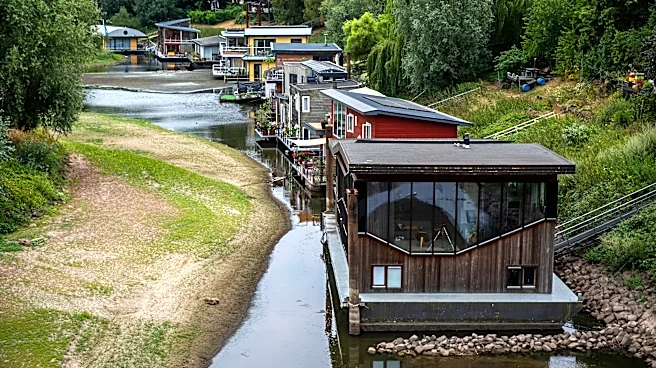
Viking, and TravelMarvel have had to adjust their itineraries, with some passengers needing to board at different ports or take bus tours instead of sailing directly into cities. The low water levels are attributed to droughts and heatwaves, with the Danube River near Budapest and the Rhine near Frankfurt experiencing some of the lowest levels in decades. Cruise lines are implementing strategies such as ship swaps to minimize disruptions, allowing passengers to continue their journeys on sister ships positioned on unaffected river sections.
Why It's Important?
The disruptions in river cruise itineraries highlight the broader impact of climate change on the travel industry. As water levels fluctuate due to extreme weather conditions, cruise lines must adapt quickly to maintain operations and customer satisfaction. This situation underscores the importance of flexible travel plans and the potential need for travel insurance that covers such disruptions. The economic implications are significant, as river cruises contribute to local economies through tourism. The ability of cruise lines to manage these challenges effectively will influence their reputation and financial performance, as well as the overall attractiveness of river cruising as a travel option.
What's Next?
As temperatures remain high, further disruptions are anticipated. Cruise lines will continue to monitor water levels and adjust itineraries as needed. Passengers are advised to stay informed about potential changes and maintain flexibility in their travel plans. The industry may also explore long-term solutions to mitigate the impact of climate change on river cruising, such as investing in more adaptable ships or developing alternative routes. The situation may prompt a reevaluation of travel insurance policies to better cover such environmental disruptions.