






What's Happening?
Several cruise lines are increasingly catering to the preferences of travelers aged 50 and above, with some implementing adults-only policies and others enhancing amenities to suit this demographic. Oceania Cruises, for instance, adopted an adults-only policy
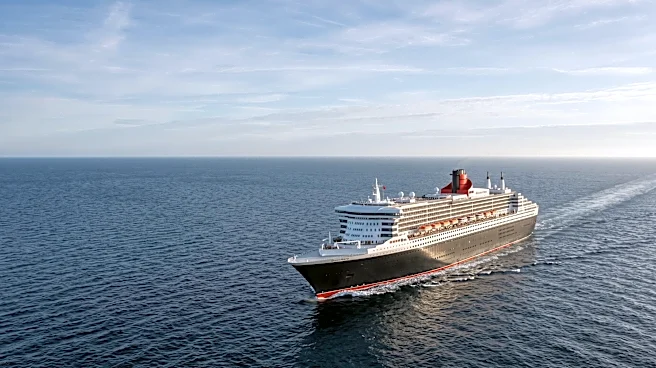
for new bookings in January 2026, emphasizing a serene atmosphere and sophisticated service. Viking Ocean Cruises maintains an 18-and-older policy, focusing on destination-rich experiences without casinos. Holland America Line offers a classic cruise experience with diverse live music and flexible dining, including solo traveler options. Cunard provides a traditional ocean travel experience with unique features like the Queen Mary 2's transatlantic crossings and onboard enrichment programs. Virgin Voyages targets a livelier, modern adults-only crowd with diverse dining and nightlife. These lines are bundling perks like excursions, Wi-Fi, and gratuities into fares to offer more transparent pricing and value for older travelers.
Why It's Important?
This shift in cruise line strategies reflects a growing recognition of the significant market segment represented by travelers aged 50 and over. By tailoring experiences to this demographic, cruise lines aim to capture a larger share of a market that often seeks more refined, less crowded, and value-driven vacations. The move towards adults-only environments or enhanced amenities for older adults can lead to increased customer satisfaction and loyalty within this group. For the cruise industry, this specialization can create distinct brand identities and reduce direct competition across all age groups. It also highlights a broader trend in the travel industry where personalized experiences and niche markets are gaining prominence, influencing how travel packages are designed and marketed to specific consumer segments.
What's Next?
The trend of cruise lines refining their offerings for specific demographics, particularly older adults, is likely to continue. We can anticipate more cruise lines introducing specialized itineraries, onboard activities, and service levels designed to appeal to mature travelers. This might include further expansion of adults-only areas, more inclusive packages that cover common extra costs, and partnerships with organizations catering to seniors. As demand for these tailored experiences grows, cruise lines may also invest in ship designs that prioritize comfort, accessibility, and enrichment programs over high-energy, family-oriented attractions. Travelers can expect more options that cater to their specific preferences, making it easier to find a cruise that aligns with their desired vacation style.
Beyond the Headlines
The focus on the 50+ demographic by cruise lines points to a broader societal trend of an aging population with disposable income and a desire for quality leisure experiences. This demographic often values tranquility, cultural enrichment, and convenience, which cruise lines are now actively addressing. The emphasis on inclusive pricing, such as bundling Wi-Fi and gratuities, also reflects a consumer demand for transparency and predictability in travel costs, moving away from hidden fees. This strategic pivot could influence other sectors of the travel industry to similarly segment their offerings, leading to a more diverse and specialized travel market overall. It also raises questions about intergenerational travel and how the industry balances the needs of different age groups within its broader portfolio.