

What's Happening?
The market for aluminum-free deodorants is expanding, offering consumers a variety of formulations beyond traditional solids, including acid-based serums and creams. This growth comes as consumers increasingly question the efficacy and safety of conventional
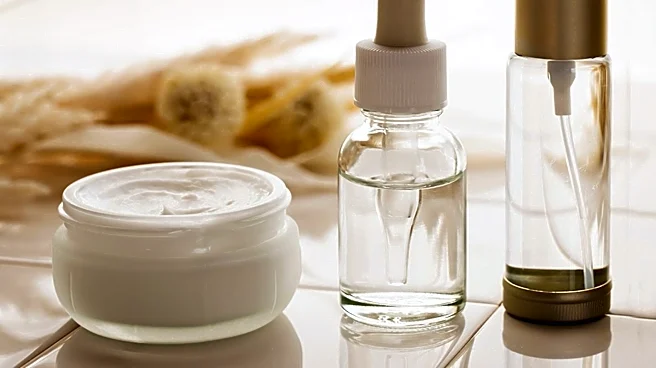
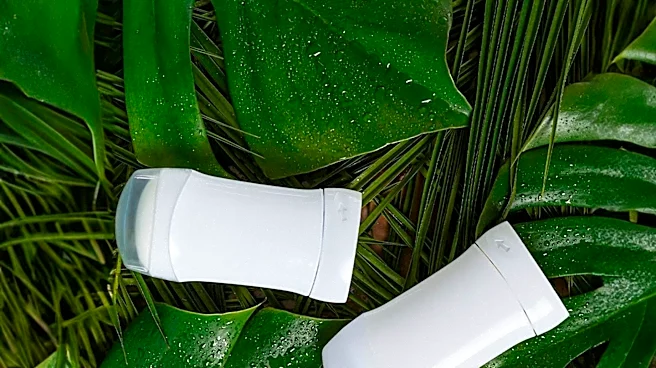
deodorants, particularly regarding aluminum content. Aluminum-free deodorants are designed to address odor by neutralizing bacteria rather than blocking sweat ducts, a function performed by antiperspirants. Brands like Native offer a wide range of scents and claim up to 72 hours of odor protection, though individual experiences may vary. Other brands, such as Dove, provide accessible aluminum-free options with common scents like cucumber and green tea. Play Pits LOVE focuses on baking soda-free formulas, utilizing ingredients like magnesium hydroxide and zinc ricinoleate for odor control. Newer formulations from brands like Nécessaire and Saltair incorporate mandelic, lactic, and polyhydroxy acids in gel or serum forms, aiming to address odor and improve skin texture. Lume offers a cream deodorant stick designed for various external body areas, using mandelic acid to target odor in skin folds.
Why It's Important?
The rise of aluminum-free deodorants signifies a notable shift in consumer preferences within the personal care industry, driven by a desire for products perceived as more natural or less chemically intensive. This trend impacts manufacturers, who are innovating with new ingredients and formulations to meet demand, and retailers, who are expanding their offerings to include these alternatives. For consumers, the availability of diverse options means more choices to address specific concerns like odor, wetness, irritation, or residue, without the use of aluminum. The distinction between deodorants (odor control) and antiperspirants (sweat blocking) is becoming clearer, empowering consumers to make informed decisions based on their needs. The American Cancer Society has stated there is no clear link between aluminum in antiperspirants and breast cancer, yet consumer perception and demand for aluminum-free products continue to grow, influencing product development and marketing strategies across the industry.
What's Next?
The market for aluminum-free deodorants is likely to continue its expansion, with further innovation in ingredients and delivery methods. Consumers can expect to see more specialized formulations targeting sensitive skin, specific body areas, and varying levels of odor control. Brands will likely continue to emphasize plant-based ingredients, prebiotics, and microbiome-friendly formulas to appeal to health-conscious consumers. The ongoing debate and consumer interest surrounding the safety of aluminum in personal care products will likely fuel further research and product development in the aluminum-free sector. Retailers will probably allocate more shelf space to these products, and marketing efforts will continue to educate consumers on the differences between deodorants and antiperspirants, as well as the benefits of aluminum-free options. The focus will remain on providing effective odor control while minimizing potential irritants like fragrance or baking soda, catering to a broader range of consumer needs and preferences.
Beyond the Headlines
Beyond the immediate product choices, the growing popularity of aluminum-free deodorants reflects a broader cultural shift towards 'clean beauty' and a more holistic approach to personal health. This movement encourages consumers to scrutinize ingredient lists and question the long-term effects of everyday products. It also highlights the power of consumer demand in shaping industry practices, even in the absence of definitive scientific consensus on certain ingredient risks. The emphasis on natural and plant-based ingredients, as well as the development of products for 'all body' use, suggests a move towards more versatile and multi-functional personal care items. This trend could lead to a re-evaluation of traditional hygiene practices and a greater focus on skin health and the body's natural microbiome. The ethical considerations around product claims and the transparency of ingredient sourcing will also likely become more prominent, influencing brand loyalty and consumer trust in the long run.