






What's Happening?
Planet Labs PBC is experiencing a significant increase in demand for its satellite intelligence services, primarily due to evolving geopolitical tensions and advancements in artificial intelligence. According to CEO Will Marshall, the defense sector is currently
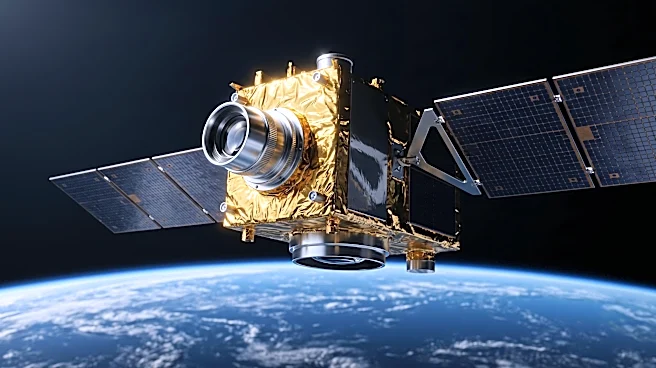
the main driver of this growth. Governments worldwide are seeking satellite data, AI-powered threat detection, and independent reconnaissance capabilities. Planet Labs' network of over 700 satellites captures approximately 4 million images daily, providing actionable intelligence for various applications, from agricultural productivity to disaster relief and security risk identification. Marshall highlighted that the company's imagery was instrumental in identifying Russian military activity near Ukraine before the full-scale invasion and continues to supply intelligence to Ukraine for tracking potential threats. The company's approach involves monitoring broad areas to detect emerging threats that might otherwise go unnoticed, moving beyond traditional satellite usage focused on known targets.
Why It's Important?
The surge in demand for Planet Labs' services underscores a critical shift in global security and defense strategies. Nations are increasingly prioritizing independent intelligence gathering capabilities, recognizing the strategic value of real-time satellite data and AI-driven analytics in a volatile geopolitical landscape. This trend indicates a move towards greater self-reliance in national security, as countries aim to control their own intelligence infrastructure rather than solely relying on external sources. The company's ability to provide comprehensive, wide-area surveillance helps governments anticipate and respond to threats more effectively, potentially altering the dynamics of international relations and conflict prevention. The integration of AI further enhances these capabilities, allowing for more rapid and accurate identification of potential risks, which is crucial for national defense and strategic decision-making.
What's Next?
The growing demand for independent satellite intelligence suggests a future where more nations will invest in owning and operating their own satellite fleets. Planet Labs is already facilitating this trend, having secured deals with countries like Japan to purchase satellites, while Germany is financing a separate fleet, and Sweden is developing its own systems with the company's assistance. These arrangements involve Planet Labs building and launching spacecraft, then transferring operational control to the respective governments. This indicates a continued expansion of the commercial space sector, particularly in defense and intelligence applications. As geopolitical tensions persist and AI technology advances, the market for satellite intelligence and related infrastructure is likely to grow, leading to increased competition and innovation in space-based surveillance and data analytics.
Beyond the Headlines
This development highlights a broader trend of the 'securitization of space,' where orbital assets are becoming increasingly vital for national security beyond traditional military applications. The desire for independent control over satellite networks raises questions about data sovereignty, international cooperation in space, and the potential for an arms race in orbital capabilities. As more countries acquire their own satellite systems, the global landscape of intelligence gathering will become more decentralized, potentially leading to both enhanced transparency and increased complexity in international relations. Furthermore, the reliance on AI for threat detection introduces ethical considerations regarding autonomous decision-making in security contexts and the potential for algorithmic biases in identifying threats. The commercialization of advanced satellite technology also blurs the lines between state and private sector roles in national defense, creating new challenges and opportunities for governance and regulation.