



What's Happening?
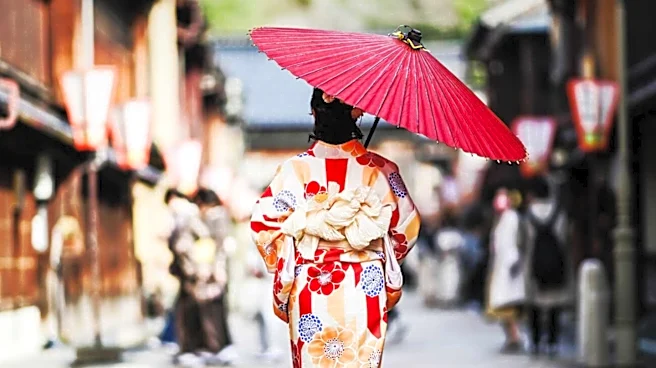
Walk Japan, a company specializing in small group tours since 1992, is offering cultural walking trips in northern Honshu, Japan. These tours aim to provide a deeper immersion into rural Japanese culture, moving beyond the more crowded tourist destinations
like Tokyo and Kyoto. One such tour follows the footsteps of 17th-century Japanese poet Matsuo Basho, exploring quiet country lanes, forest trails, and mountain footpaths. Participants stay in rural ryokans, sleeping on futons on tatami mats, and experience traditional Japanese communal soaking baths (onsens). The tours emphasize 'forest bathing' in heavily mountainous and forested regions like Tohoku, allowing visitors to experience impressive temples and gardens. The company highlights that a strong dollar currently makes Japan more affordable for American travelers, encouraging exploration of less-traveled areas.
Why It's Important?
These specialized walking tours offer a significant alternative to mainstream tourism, providing a more authentic and less commercialized experience of Japan. For American travelers, the current favorable exchange rate enhances accessibility to these unique cultural immersions. The focus on 'forest bathing' and rural exploration aligns with growing interest in wellness tourism and sustainable travel, offering mental and physical benefits through connection with nature. By highlighting regions like Tohoku, Walk Japan contributes to the economic development of rural areas that might otherwise be overlooked, distributing tourist revenue beyond major urban centers. This approach also helps preserve local traditions and environments by promoting respectful and engaged tourism, fostering a deeper understanding of Japanese heritage and daily life.
What's Next?
Walk Japan is expected to continue offering and potentially expanding its range of cultural walking tours, catering to a niche market of travelers seeking authentic experiences. The company may explore new routes and themes to further diversify its offerings, potentially incorporating other historical or cultural figures. As the trend towards experiential and sustainable travel grows, Walk Japan could see increased demand, especially from American tourists looking to leverage the strong dollar. The success of these tours might also inspire other travel companies to develop similar programs, leading to a broader shift in the tourism industry towards more immersive and culturally sensitive travel options in Japan. Continued promotion of 'forest bathing' and rural tourism could also influence local infrastructure development to support these activities.
Beyond the Headlines
The appeal of 'forest bathing' and slow travel reflects a broader societal desire to disconnect from fast-paced modern life and reconnect with nature. This trend has implications for mental health and well-being, as studies increasingly highlight the benefits of spending time outdoors. The emphasis on traditional accommodations like ryokans and communal onsens offers a glimpse into Japanese hospitality and communal living, contrasting with individualistic Western norms. Furthermore, by encouraging travelers to venture beyond major cities, these tours subtly challenge the often-superficial portrayal of Japan in popular culture, fostering a more nuanced appreciation of its diverse landscapes and regional identities. This type of tourism can also contribute to cultural exchange, allowing locals to share their heritage directly with visitors and promoting mutual understanding.