





What's Happening?
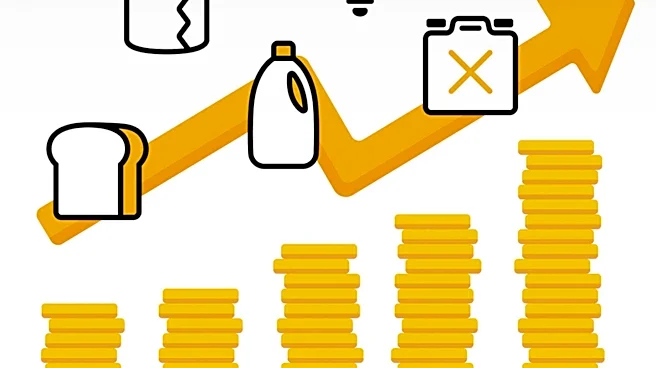
Grocery prices in the United States have consistently risen every year since 2020, with no indication of reversing this trend. This sustained increase is attributed to a combination of factors, including inflation, adverse weather conditions disrupting
crop yields, labor shortages across the farming, trucking, processing, and retail sectors, and elevated supply chain costs. These pressures collectively reduce the purchasing power of the dollar, meaning that the same amount of money buys fewer groceries today than it did a few years ago. For instance, a $100 grocery trip now fills a smaller cart. The impact is felt by households nationwide, making budgeting more challenging.
Why It's Important?
The continuous rise in grocery prices has a significant impact on the financial well-being of American households. Food is a non-discretionary expense, meaning that increased costs directly affect disposable income and can strain budgets, particularly for lower and middle-income families. This situation highlights the vulnerability of consumers to macroeconomic forces such as inflation and supply chain disruptions. The need for households to adapt through careful budgeting and financial planning becomes critical, as the expectation is that prices will not return to pre-2020 levels. This economic reality can lead to shifts in consumer spending habits, potentially affecting demand for certain products and influencing the strategies of food retailers and producers.
What's Next?
Given the current economic landscape, grocery prices are not expected to revert to 2020 levels in the foreseeable future. Households will likely need to continue implementing robust budgeting strategies to absorb these ongoing increases. This includes planning purchases, seeking out deals, and potentially adjusting dietary habits to manage costs. Businesses in the food sector, from producers to retailers, will continue to grapple with the underlying causes of these price hikes, such as labor costs and supply chain inefficiencies. Policy discussions may also arise regarding measures to mitigate inflationary pressures or support consumers facing higher living expenses, though no immediate policy changes are indicated in the source.
Beyond the Headlines
The sustained increase in grocery prices reveals a deeper structural issue within the U.S. economy, where various interconnected factors contribute to persistent inflation in essential goods. Beyond the immediate financial strain, this trend can exacerbate food insecurity for vulnerable populations and widen economic disparities. It also prompts a re-evaluation of personal financial resilience, emphasizing the importance of emergency savings and flexible budgeting. The situation may also accelerate innovation in the food industry, pushing for more efficient supply chains and alternative food production methods to control costs. Culturally, it could lead to a greater emphasis on home cooking and meal planning as consumers seek to maximize value.