






What's Happening?
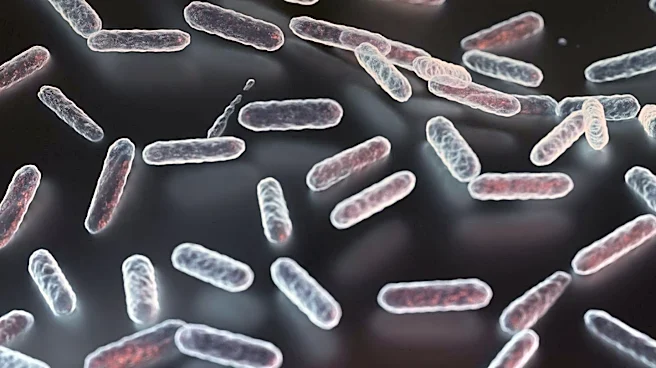
Prebiotics are non-digestible carbohydrates, primarily fibers, that play a crucial role in maintaining a healthy gut microbiome. Unlike probiotics, which introduce live beneficial bacteria, prebiotics act as 'food' for the existing beneficial bacteria in the digestive
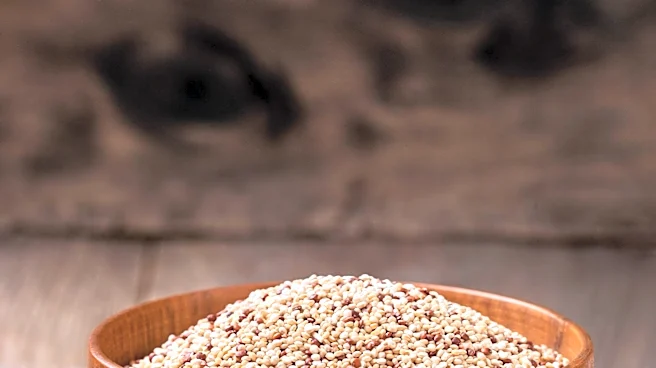
system, particularly in the large intestine. This nourishment helps these beneficial bacteria to thrive and support overall gut health. Common natural sources of prebiotics include garlic, onions, asparagus, legumes, whole grains, and unripe bananas. These fibers are also incorporated into various processed foods like granola bars and cereals. The interaction between prebiotics and probiotics is synergistic, with prebiotics aiding in the sustenance and growth of probiotic microorganisms. A diet rich in diverse fibers from fruits, vegetables, whole grains, legumes, nuts, and seeds is essential for fostering a diverse and healthy gut microbiome.
Why It's Important?
The importance of prebiotics lies in their fundamental role in supporting the gut microbiome, which is increasingly recognized as central to overall health. A well-nourished and diverse gut microbiome contributes to improved digestion, enhanced nutrient absorption, and a robust immune system. Approximately 70% of the body's immune tissue resides in the gut, making its health directly linked to immune function. Prebiotics facilitate the production of short-chain fatty acids (SCFAs) by gut bacteria, such as butyrate, acetate, and propionate. Butyrate, for instance, is a primary fuel source for colon cells, maintaining the integrity of the gut barrier. Acetate and propionate contribute to regulating metabolism, appetite control, and energy production. Therefore, incorporating prebiotics into the diet can have far-reaching positive impacts on metabolic health, immune response, and the prevention of various digestive discomforts.
What's Next?
Individuals looking to improve their gut health are encouraged to gradually increase their intake of prebiotic-rich foods. Sudden, drastic dietary changes can sometimes lead to temporary digestive discomforts like bloating or flatulence, as the gut microbiome adjusts. It is recommended to introduce new high-fiber foods slowly over several weeks and ensure adequate hydration, as fiber requires water to function effectively in the digestive tract. Combining prebiotics with probiotic-rich fermented foods, such as kefir or sauerkraut, can further enhance gut health. For persistent digestive issues, consulting a healthcare professional is advised to rule out underlying medical conditions before solely relying on dietary modifications. Continued research into the specific mechanisms and benefits of different prebiotic fibers will likely lead to more targeted dietary recommendations and functional food developments.
Beyond the Headlines
The growing understanding of prebiotics highlights a broader shift in health and nutrition, moving beyond simply treating symptoms to proactively fostering internal balance. This focus on the gut microbiome underscores the interconnectedness of bodily systems, particularly the gut-brain axis, where gut health influences mood, cognitive function, and stress response. The ethical implications involve ensuring equitable access to diverse, whole foods that are naturally rich in prebiotics, as processed foods with added prebiotics may not offer the same comprehensive benefits. Culturally, there's a resurgence of interest in traditional fermented foods and plant-based diets, reflecting an intuitive understanding of gut health that predates modern scientific discovery. This holistic approach to wellness, emphasizing diet and lifestyle, represents a significant evolution in public health discourse and personal health management.