






What's Happening?
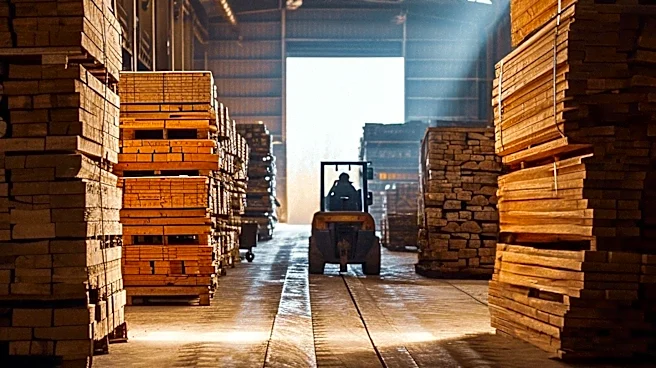
Roseburg Forest Products, a prominent wood manufacturer based in Roseburg, OR, is highlighted for its detailed technical information regarding its wood panels. The company, which produces various wood products including lumber, OSB, LVL, MDF, plywood,
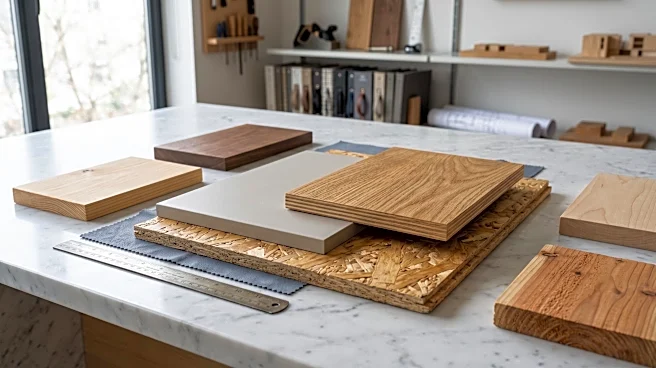
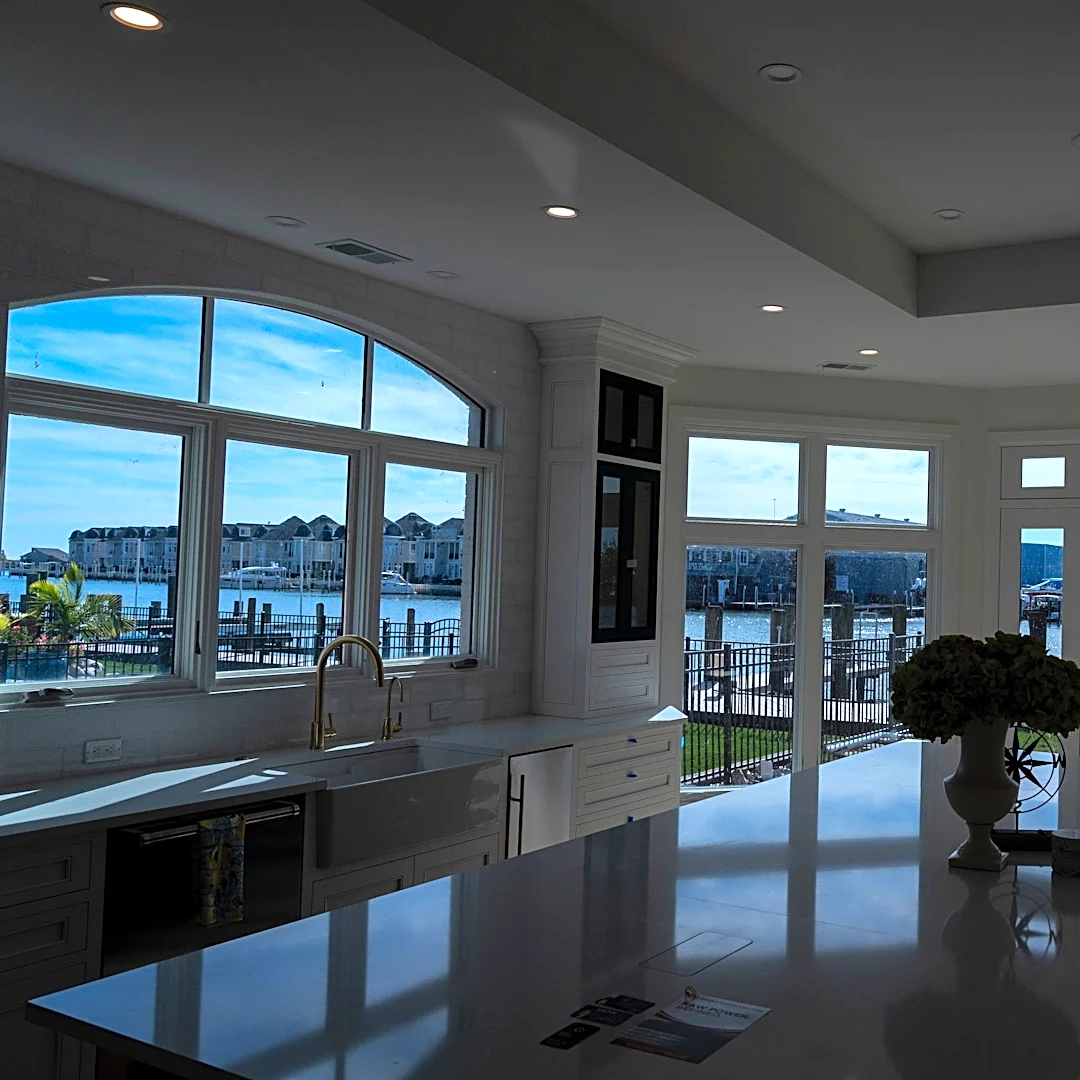
pulp, newsprint, wood chips, and energy, encourages customers to consult these specifications when selecting materials for projects. This emphasis comes amidst advice from wood composites expert Dr. Mark Irle, who suggests that the 'right panel' is not necessarily the cheapest, but rather the one that best fits the application. The company's approach aims to guide consumers beyond superficial considerations like appearance, focusing instead on critical factors such as thickness, density, surface smoothness, and formaldehyde emissions. This guidance is particularly relevant for projects requiring specific panel qualities, such as kitchen cabinets, retail counters, or workshop shelves, where factors like moisture resistance and screw hold are crucial for long-term performance and cost-effectiveness.
Why It's Important?
This focus on detailed technical information from Roseburg Forest Products is important for several reasons within the U.S. construction and manufacturing industries. By providing comprehensive data on their panels, the company helps ensure that builders, contractors, and DIY enthusiasts make informed decisions, potentially reducing issues like weak edges, swelling, or poor screw hold that can arise from using unsuitable materials. This proactive approach can lead to higher quality end products, fewer costly repairs, and increased customer satisfaction. For the industry as a whole, it promotes a standard of transparency and technical rigor, encouraging other manufacturers to provide similar detailed specifications. This can elevate the overall quality of wood products available in the market and foster a more educated consumer base, ultimately benefiting both producers through reduced returns and consumers through more durable and appropriate material choices. The emphasis on indoor-air quality and proper storage also addresses growing concerns about health and material longevity.
What's Next?
In the immediate future, consumers and industry professionals engaging with Roseburg Forest Products can expect continued access to detailed technical specifications for their wood panels. This will likely involve ongoing efforts to educate customers on the importance of these details, potentially through updated product literature, online resources, and direct consultations. The company may also continue to highlight the expertise of figures like Dr. Mark Irle to underscore the value of informed material selection. For the broader market, this trend could encourage other wood product manufacturers to enhance their own technical documentation and customer education initiatives, leading to a more competitive landscape based on product quality and transparency. Furthermore, as concerns about environmental impact and indoor air quality grow, Roseburg Forest Products may further integrate these considerations into their technical information, guiding customers towards more sustainable and health-conscious choices.
Beyond the Headlines
Beyond the immediate practical benefits, Roseburg Forest Products' emphasis on detailed technical information reflects a broader shift towards greater transparency and accountability in manufacturing. In an era where consumers are increasingly seeking information about product origins, composition, and performance, providing comprehensive data empowers them to make more responsible and effective purchasing decisions. This approach also highlights the ethical dimension of manufacturing, where companies take responsibility for guiding customers towards products that are not only fit for purpose but also safe and durable. This commitment to technical detail can foster a culture of quality and reliability within the wood products industry, potentially influencing regulatory standards and consumer expectations. Ultimately, it contributes to a more informed marketplace where the true value of a product is assessed not just by its initial cost, but by its suitability, performance, and long-term impact.