






What's Happening?
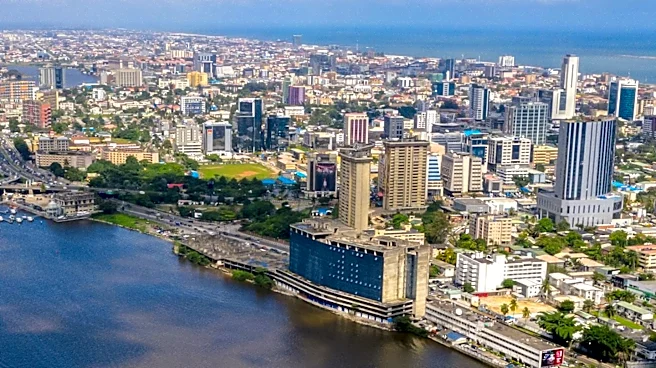
Lagos, Nigeria, particularly its Lagos Island and Lekki districts, is highlighted as a top destination for expatriates in 2026. According to Lagos Realty, a property firm, the average annual rent for a two-bedroom flat in Ikoyi, the most expensive district,
is N17.25 million (approximately US$12,900). In contrast, Ikate, the most affordable district, has an average annual rent of N8.5 million (approximately US$6,300). These figures, reported by Nairametrics on August 9, 2026, indicate a significant increase in rental costs since 2022, with rents rising by over 100% in naira across all four tracked districts. The report also notes that the gap between the cheapest and priciest districts is narrowing, suggesting that discounts in more affordable areas are diminishing. For instance, Lekki Phase 1 now costs 58% of an Ikoyi flat, up from 50% in 2022. The U.S. State Department has issued a Level 3 travel advisory for Nigeria, recommending that Americans reconsider travel, and has advised non-emergency embassy staff in Abuja to depart.
Why It's Important?
The rising cost of living in Lagos, particularly rental prices, has significant implications for expatriates and international businesses operating in Nigeria. The substantial increase in rents, exceeding 100% in some areas since 2022, could impact the operational costs for companies relocating employees to Lagos. This trend might lead businesses to re-evaluate their compensation packages for expat staff or consider alternative locations within Nigeria or other African countries. For individuals, the high cost of housing, coupled with potentially high international school fees—which can exceed rent in some cases—makes financial planning crucial. The U.S. State Department's Level 3 travel advisory also adds a layer of complexity, potentially influencing decisions by U.S. citizens and companies regarding relocation and investment in Nigeria. This advisory, while not specifically singling out Lagos, generally urges caution and could deter some potential expats, affecting the flow of international talent and investment into the region.
What's Next?
Expats considering a move to Lagos will need to carefully assess their budgets, factoring in the rapidly increasing rental costs and potentially high international school fees. Property firms and real estate agents in Lagos are likely to continue seeing strong demand, especially in the expat-favored districts, which could further drive up prices. International companies with operations in Nigeria may need to adjust their expat relocation policies and financial support to remain competitive in attracting and retaining talent. The U.S. State Department's travel advisory will remain a critical factor for U.S. citizens, necessitating continuous monitoring of official travel guidance before making any commitments. Future reports from property firms like Lagos Realty will be crucial in tracking these trends and providing updated insights into the real estate market for expatriates in Nigeria.
Beyond the Headlines
The escalating rental costs in Lagos reflect broader economic dynamics within Nigeria, including inflation and increased demand for premium housing. This trend could exacerbate the cost of living for both expatriates and affluent local residents, potentially widening the economic disparity within the city. The narrowing gap between the cheapest and most expensive districts suggests a broader market appreciation, indicating that even previously more affordable areas are becoming less accessible. This could lead to a concentration of wealth in specific enclaves and further gentrification. Furthermore, the U.S. State Department's travel advisory, while primarily focused on safety, can indirectly influence economic decisions, potentially impacting foreign direct investment and the overall perception of Nigeria as a stable business environment. The interplay between economic growth, housing affordability, and security concerns will continue to shape Lagos's attractiveness as an expat destination.