

What's Happening?
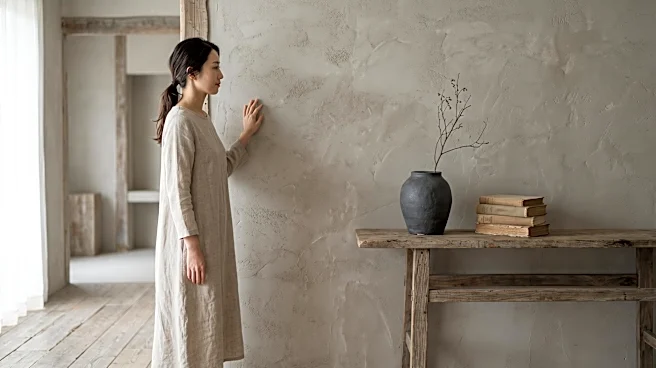
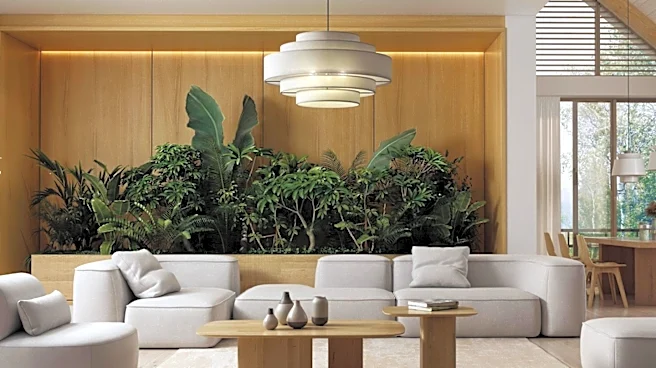
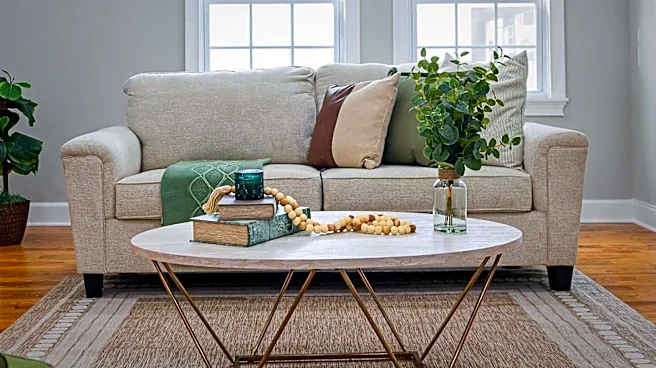
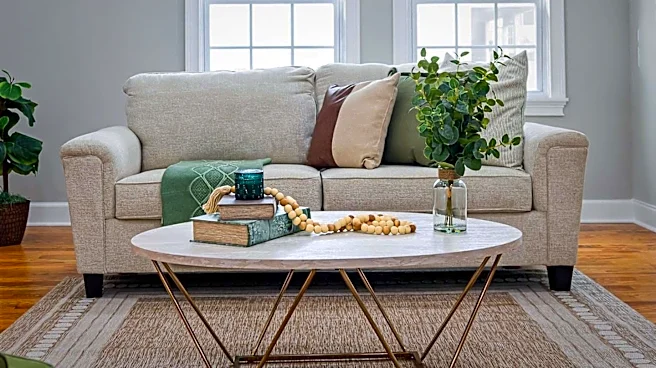
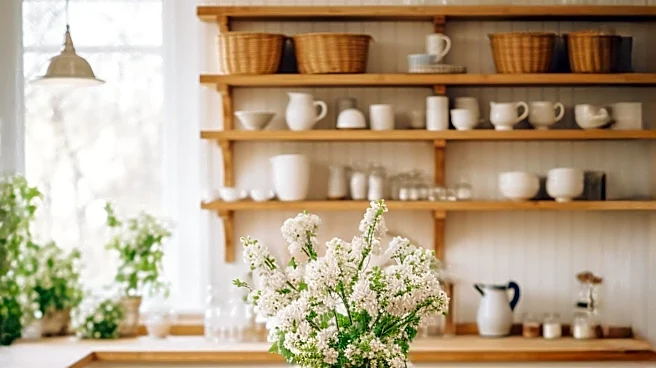
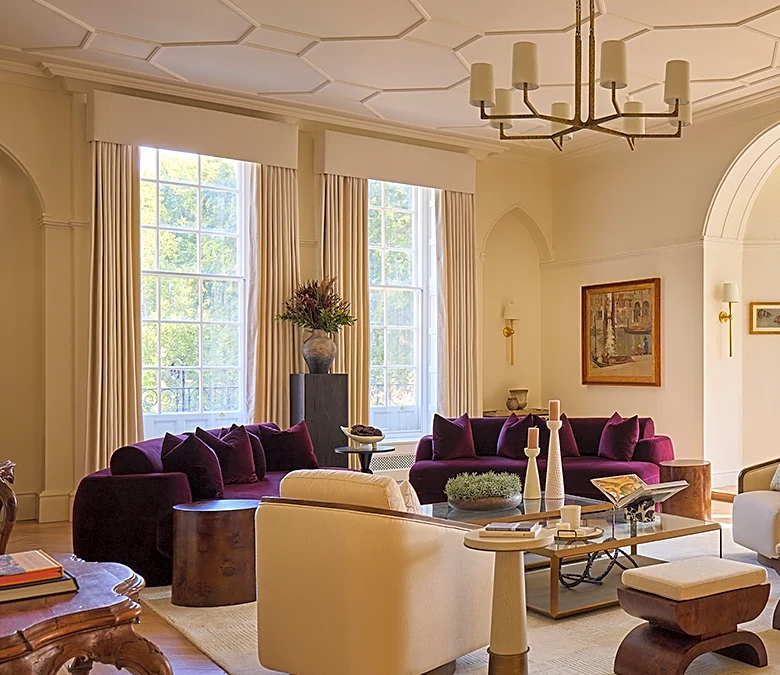
Modern farmhouse interior design is undergoing an evolution, moving away from overtly themed elements and strict black-and-white schemes. The current trend emphasizes warmer materials, softer colors, and a reduction in decorative slogans and heavy distressing.
This shift allows for greater flexibility, integrating vintage furniture, contemporary lighting, natural stone, tailored upholstery, and cleaner cabinetry. The core of modern farmhouse design continues to blend rustic character with contemporary restraint, prioritizing tactile comfort through natural wood, stone, simple textiles, and familiar forms, but with a focus on cleaner lines and calmer rooms. The style aims to create spaces that feel relaxed, useful, and visually grounded, rather than strictly reproducing a country house aesthetic. This adaptation ensures the style remains relevant and versatile, appealing to a broader range of homeowners seeking both warmth and practicality in their living spaces.
Why It's Important?
This evolution in modern farmhouse design reflects a broader consumer preference for adaptable and less thematic interior styles in the U.S. housing market. For the interior design and home furnishing industries, this means a shift in demand towards products that align with warmer palettes, natural textures, and cleaner silhouettes. Manufacturers and retailers will need to adjust their offerings to cater to this refined aesthetic, potentially impacting material sourcing, product development, and marketing strategies. Homeowners benefit from a more flexible design language that allows for personalization and longevity, reducing the risk of a quickly outdated aesthetic. This trend also highlights a desire for comfort and functionality in home environments, influencing architectural choices and construction practices to incorporate elements like open floor plans and natural light, which are central to the modern farmhouse ethos. The emphasis on practical, restrained design over excessive ornamentation suggests a move towards more sustainable and timeless interior choices.
What's Next?
The modern farmhouse style is expected to continue its trajectory towards greater refinement and personalization. Designers and builders will likely explore innovative ways to incorporate natural materials and textures, such as reclaimed wood, natural stone, and artisanal textiles, while maintaining a minimalist approach. Expect to see an increased integration of smart home technology within these warm, functional spaces, blending modern convenience with rustic charm. The market will likely see more offerings in soft, earthy color palettes, moving beyond the traditional white and gray. Furthermore, there may be a growing emphasis on custom-built elements and bespoke furniture that align with the cleaner lines and tailored upholstery trends. This evolution will also influence real estate staging and marketing, as properties designed with this updated aesthetic may appeal to a wider demographic seeking both comfort and contemporary style.
Beyond the Headlines
The shift in modern farmhouse design reflects a deeper cultural movement towards authenticity and understated luxury in American homes. It suggests a rejection of overly commercialized or mass-produced aesthetics in favor of spaces that feel curated, personal, and connected to nature. This trend could also be seen as a response to the fast-paced digital world, with homeowners seeking sanctuaries that offer a sense of calm and groundedness through natural materials and serene color schemes. The emphasis on practicality and functionality also aligns with a growing awareness of sustainable living and mindful consumption, where quality and longevity are prioritized over fleeting trends. This evolution may encourage a greater appreciation for craftsmanship and locally sourced materials, fostering a more conscious approach to home design and consumption within the U.S.