







What's Happening?
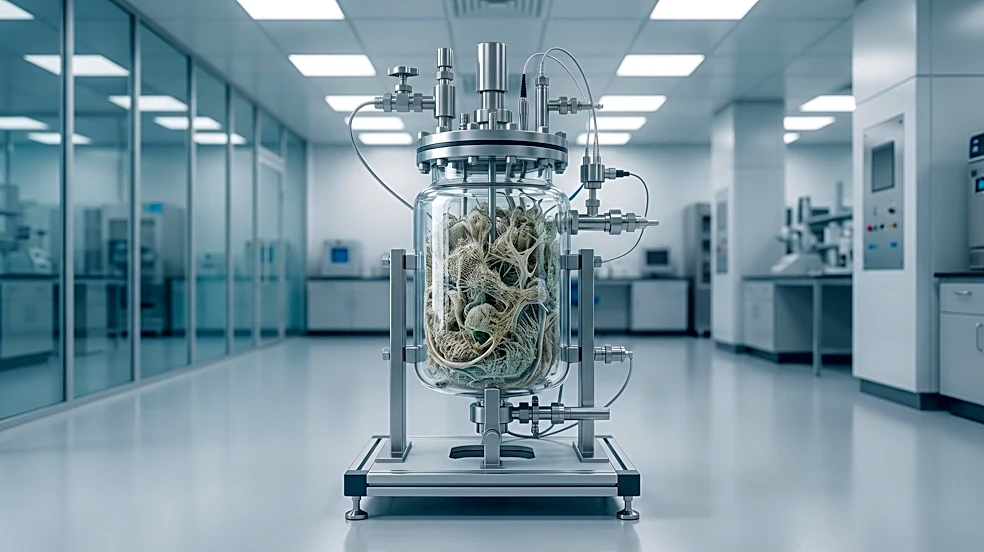
Liberation Bioindustries is facing significant challenges in securing the final $25 million needed to complete its contract biomanufacturing facility in Richmond, Indiana. Despite having already invested $125 million in equity, debt, and other support,
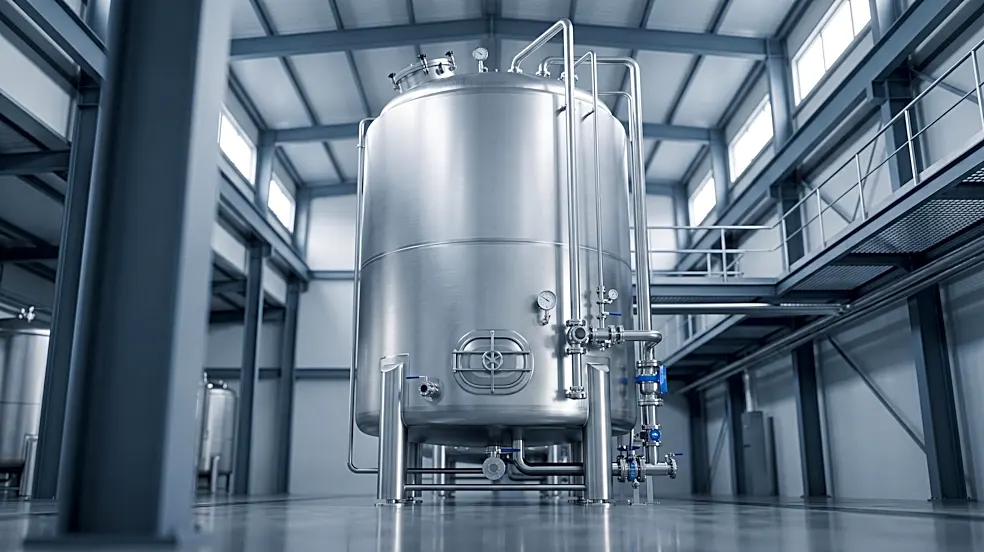
construction at the 600,000-liter facility is currently paused. A four-month strategic review to explore a sale or joint venture yielded no acceptable offers, according to key shareholder Agronomics. The funding gap emerged due to unexpected delays, exceptional project costs, increased expenses from global economic conditions, and a failure to receive anticipated funding. Liberation Bioindustries and Agronomics are now working with other institutional shareholders to secure the necessary funds, which are expected to come from additional equity, secured debt, public authority grants and loans, and customer pre-payments, with a target of H1 2027 for a full funding package.
Why It's Important?
The struggle of Liberation Bioindustries to complete its facility raises critical questions for the biomanufacturing sector, particularly in the context of precision fermentation for food proteins. The Richmond site was designed to address a significant bottleneck: the lack of commercial-scale, fit-for-purpose manufacturing capacity for food-grade projects. Its inability to secure the final funding suggests potential issues within the market, such as fewer firms ready to commit to large-scale contracts, the emergence of new competitive capacity, or a shift in investor focus. This situation highlights the gap between interest in biomanufacturing and bankable demand, as many startups are not yet in a position to commit to multi-million dollar annual contracts, and investors may be hesitant to fund facilities without firm commitments.
What's Next?
Liberation Bioindustries, in collaboration with Agronomics and other institutional shareholders, will continue efforts to secure the remaining $25 million needed to complete the Richmond facility. The funding package is expected to be a mix of equity, debt, grants, and customer pre-payments, with a target completion in the first half of 2027. If the funds are secured, the facility could become operational within six months. However, the current financing environment, characterized by high interest rates and investor focus on other sectors like AI, presents significant hurdles. The company will need to demonstrate clearer pathways to securing binding customer commitments to attract the necessary capital and overcome the 'chicken and egg' situation where customers want operational certainty and funders want firm commitments.
Beyond the Headlines
The challenges faced by Liberation Bioindustries reflect broader systemic issues within the emerging precision fermentation industry. The difficulty in bridging the gap between pilot-scale success and commercial-scale production highlights the significant capital requirements and inherent risks associated with scaling novel food technologies. This situation could lead to a re-evaluation of investment strategies in the biomanufacturing space, potentially favoring smaller, more flexible facilities or those with stronger, pre-secured customer contracts. It also underscores the need for more robust government support and incentives to de-risk investments in critical infrastructure for sustainable food production. The outcome for Liberation Bioindustries could serve as a bellwether for the future of large-scale, dedicated biomanufacturing facilities in the U.S., influencing investor confidence and the pace of innovation in alternative protein development.