



What's Happening?
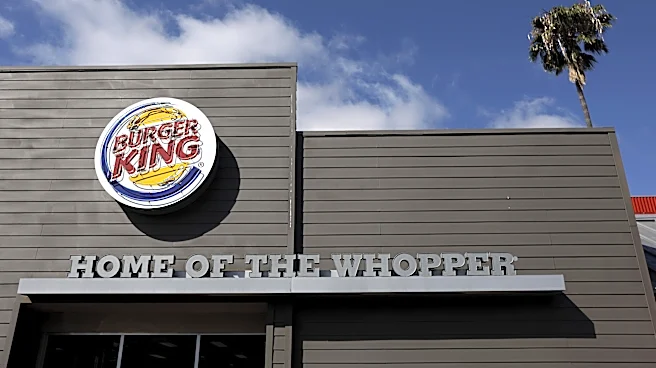
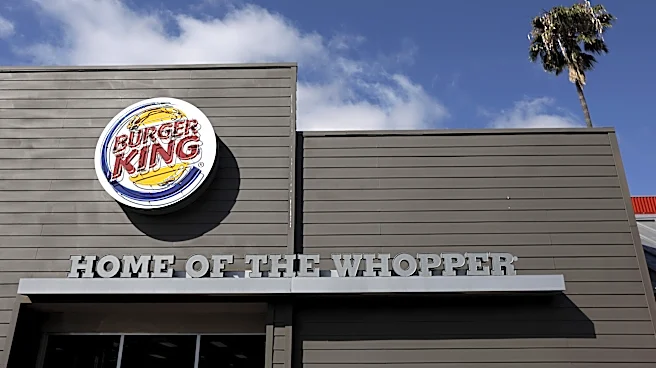
Burger King, a global fast-food chain with over 19,000 establishments, is currently experiencing a significant volume of customer complaints. These issues range from inconsistent food quality across its independently franchised stores to concerns about
its notoriously polarizing chicken nuggets. Customers also report dissatisfaction with pricing and service, particularly in the context of 'shrinkflation' affecting the dining industry. The company, which opened in the U.S. in 1954, has historically distinguished itself with its 'Have It Your Way' customization and flame-grilled Whopper. Despite its long-standing appeal, the volume of recent critiques prompted Burger King's U.S. President, Tom Curtis, to invite complaints in February 2026, leading to an 'onslaught' of feedback. This feedback has reportedly led to various improvements, including changes to its Whopper and nuggets.
Why It's Important?
The widespread customer dissatisfaction with Burger King highlights significant challenges within the fast-food industry, particularly concerning brand consistency and customer perception. For a major player like Burger King, which relies heavily on its brand image and customer loyalty, these complaints can impact sales, market share, and overall profitability. The 'shrinkflation' concerns, coupled with issues regarding food quality and service, reflect broader economic pressures and changing consumer expectations in the U.S. dining market. The company's response, including its U.S. President actively soliciting feedback, indicates an acknowledgment of these problems and an attempt to mitigate potential long-term damage to its reputation and financial performance. The success of these improvements will be crucial for Burger King to maintain its competitive position against rivals like McDonald's.
What's Next?
Following the invitation for customer feedback by U.S. President Tom Curtis in February 2026, Burger King has reportedly initiated various improvements to its menu items, including the Whopper and chicken nuggets. The effectiveness of these changes in addressing the core complaints regarding food quality consistency, pricing, and service will be a key factor in the company's future performance. Stakeholders, including franchisees, investors, and consumers, will be closely observing whether these adjustments lead to a tangible improvement in customer satisfaction and a reduction in negative feedback. The company will likely continue to monitor customer sentiment and potentially roll out further initiatives to restore confidence and enhance the dining experience across its numerous locations.
Beyond the Headlines
The situation at Burger King underscores a deeper trend in the fast-food sector where consumer expectations for quality, value, and consistency are increasingly scrutinized. While fast-food establishments are not expected to offer gourmet experiences, the basic expectation of fresh-tasting food and fair pricing remains paramount. The reliance on independent franchises, while enabling rapid expansion, can also contribute to inconsistencies in dining experience, posing a challenge for maintaining a unified brand standard. This scenario highlights the ethical responsibility of large corporations to ensure product quality across all their outlets and to respond transparently to customer concerns, especially in an era where social media amplifies both positive and negative feedback. The long-term implications could influence how fast-food giants manage their franchise networks and adapt to evolving consumer demands for both convenience and quality.