









What's Happening?
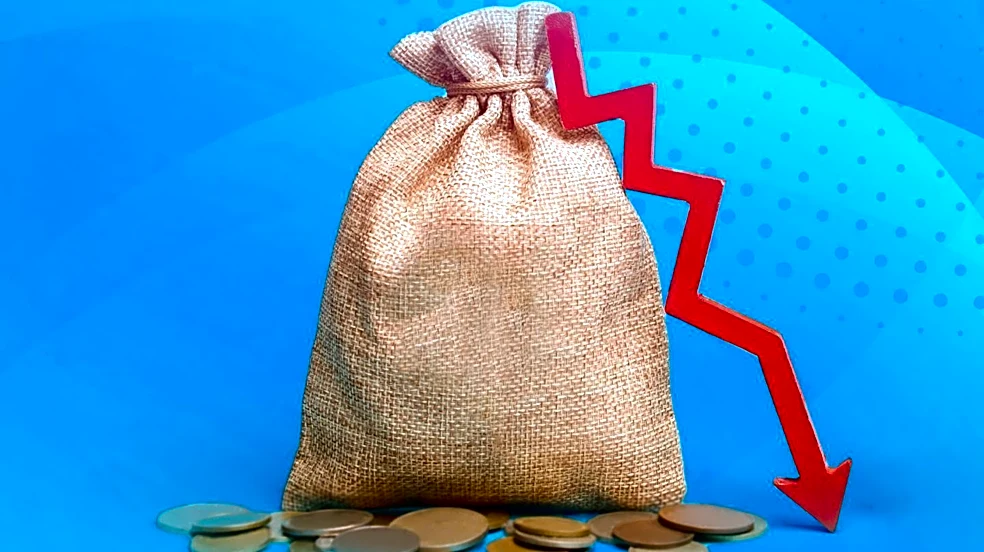
Conagra Brands has announced a 50% reduction in its quarterly dividend, lowering it from $0.35 to $0.175 per share. This decision comes as the company aims to reduce its debt load and improve its credit rating. The previous trailing yield of 8.64% included
payments at the old rate, but new investors will receive the adjusted annual rate of $0.70 per share based on the current stock price of $14.45. Despite the cut, management asserts that earnings adequately cover the new payout, with fiscal 2027 adjusted EPS guidance set between $1.40 and $1.50, and free cash flow conversion expected to exceed 90%. Fiscal 2026 saw free cash flow at $978.7 million, a 24.9% decrease, while the first quarter experienced negative free cash flow of $127.9 million due to seasonal factors and increased litigation payments. The company's net leverage currently stands at 3.99x, surpassing its target of 3x. Conagra's CFO, Dave Marberger, indicated that rating agencies viewed the dividend cut positively regarding the company's credit rating and financial standing.
Why It's Important?
This dividend cut by Conagra Brands is a significant move reflecting broader financial pressures within the consumer staples sector. The decision highlights the company's prioritization of debt reduction and balance sheet health over immediate shareholder returns. For income investors, this signals a shift in strategy, as the previous dividend yield was attractive but ultimately unsustainable given the company's leverage. The move is intended to strengthen Conagra's financial foundation, potentially leading to more stable long-term growth and improved access to capital at more favorable rates. However, it also indicates ongoing challenges such as soft volumes, tariff-driven input costs, and cautious consumer spending, which are impacting many grocery aisle giants. The positive reaction from rating agencies suggests that this strategic financial restructuring could enhance investor confidence in the company's long-term viability, even if it temporarily reduces dividend income for shareholders.
What's Next?
Conagra Brands will focus on utilizing the capital saved from the dividend reduction to pay down its substantial debt. This deleveraging strategy is expected to bring the company closer to its net leverage target of 3x, which could lead to an improved credit rating and lower borrowing costs in the future. Management's commitment to achieving volume-led, sustainable, and profitable growth is supported by increased brand spending, projected to reach approximately $700 million. Investors will closely monitor the company's progress in reducing debt and achieving its financial targets. The market will also be watching for any shifts in organic net sales, which are currently guided to be between -3% and -1%, and how the company manages ongoing inflation, which is near the top of its 5% to 6% range. Future dividend policy will likely depend on the success of these financial improvements and overall market conditions.
Beyond the Headlines
The dividend cut by Conagra Brands underscores a critical trend in the consumer packaged goods industry where companies are re-evaluating their financial strategies amidst evolving market dynamics. This move reflects a broader industry challenge where established brands face pressure from changing consumer preferences, supply chain disruptions, and inflationary environments. The decision to prioritize debt reduction over maintaining a higher dividend payout highlights a shift towards financial prudence and long-term sustainability. This could set a precedent for other companies in the sector facing similar financial constraints, potentially leading to a re-evaluation of dividend policies across the industry. Furthermore, the company's paused plan to split leaves its long-term strategic direction somewhat uncertain, adding another layer of complexity for stakeholders. The focus on strengthening the balance sheet could enable Conagra to pursue strategic acquisitions or investments in innovation once its financial health is more robust, positioning it for future growth in a competitive landscape.