





What's Happening?
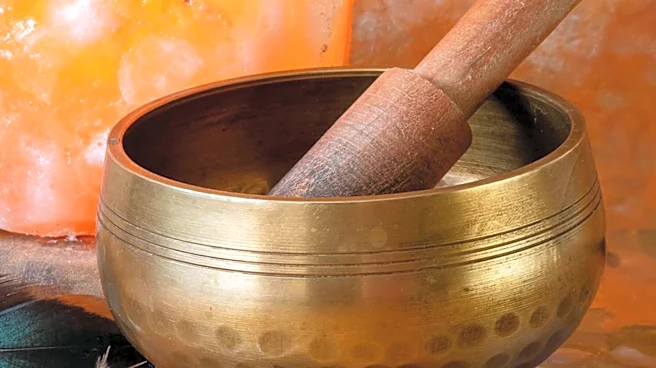
Sound baths are emerging as a popular meditative practice where individuals lie down and experience sounds and vibrations produced by instruments such as gongs, singing bowls, tuning forks, chimes, drums, and cymbals. This practice aims to induce deep
relaxation, reduce stress, and promote emotional balance. Unlike traditional meditation, sound baths do not require specific techniques or prior experience, making them accessible to a wider audience. Participants are encouraged to simply get comfortable, listen, and allow their bodies to settle. The sessions are designed to help individuals disengage from daily stressors and quiet internal mental noise. The growing interest in sound baths is reflected in various wellness settings, including events like the Floating Sound Bath in Cheltenham and specialized sessions focusing on somatic reset and restorative sound baths.
Why It's Important?
The increasing popularity of sound baths highlights a broader societal trend towards seeking alternative and complementary wellness practices for mental and emotional well-being. In a fast-paced and often stressful society, methods that offer simple, accessible relaxation are highly valued. Sound baths provide a non-pharmacological approach to stress reduction, potentially lowering cortisol levels, regulating breathing, and fostering emotional stability. This is particularly significant for individuals grappling with anxiety, depression, or those in addiction recovery, offering a supportive environment for healing. The emphasis on passive participation also makes it appealing to those who find traditional meditation challenging, thereby expanding the reach of mindfulness practices. The integration of sound baths into various wellness programs, from museums to specialized studios, underscores their perceived efficacy and growing acceptance as a legitimate tool for self-care.
What's Next?
The trend of sound baths is expected to continue expanding, with more wellness centers, spas, and community organizations likely to incorporate these sessions into their offerings. Future developments may include further scientific research to substantiate the physiological and psychological benefits, which could lead to broader acceptance within mainstream healthcare as a complementary therapy. Practitioners may also continue to innovate, combining sound baths with other modalities like Yoga Nidra, reiki, and aromatherapy to enhance the overall experience. The accessibility and low barrier to entry suggest that sound baths will remain a popular choice for individuals seeking to manage stress and improve their mental well-being, potentially leading to a more diverse range of specialized sound bath experiences tailored to specific needs or demographics.
Beyond the Headlines
Beyond their immediate benefits, sound baths tap into ancient practices that recognize the profound impact of sound and vibration on the human body and mind. This resurgence reflects a deeper cultural yearning for connection, presence, and holistic healing in an increasingly disconnected and digital world. The practice encourages individuals to pause and engage with their internal landscape, fostering a sense of self-awareness and inner harmony. Ethically, as the practice gains popularity, there will be a need for clear standards and qualifications for practitioners to ensure safety and efficacy. The emphasis on 'tuning' the body, much like a musical instrument, suggests a philosophical shift towards viewing the self as an integrated system that can be brought into balance through non-invasive, sensory experiences, offering a counter-narrative to purely medical or pharmaceutical approaches to well-being.