


What's Happening?
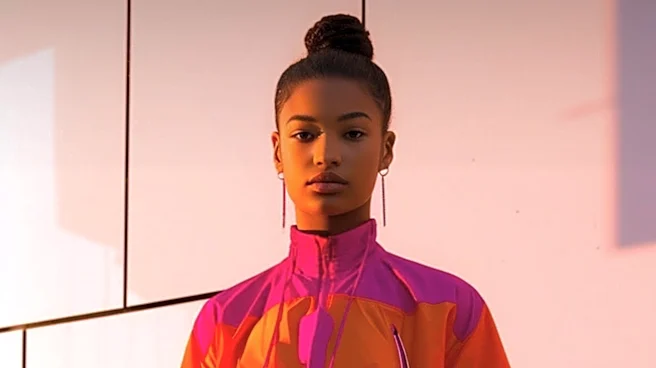
Y2K nostalgia is significantly influencing active lifestyle fashion, with early 2000s styles being reinterpreted for contemporary use. This trend includes items such as bell-sleeve tops and wide-leg sweatpants, which offer both comfort and a nostalgic
aesthetic. Generation Z, a demographic that did not experience the 2000s firsthand, is a primary driver of this resurgence. Their engagement with these styles, largely amplified through social media platforms, is transforming past fashion into new market opportunities. This phenomenon highlights a blend of comfort and historical sentiment in current consumer preferences, particularly among younger generations. The re-emergence of these styles is not merely a replication but an adaptation, integrating modern sensibilities with retro designs to create a unique fashion identity.
Why It's Important?
This trend is important because it demonstrates the powerful influence of nostalgia and social media on consumer markets, particularly within the fashion industry. The active lifestyle sector, in particular, is seeing a significant shift as brands adapt to these Y2K-inspired demands. For businesses, understanding and responding to this trend can unlock new revenue streams and market segments, especially by targeting Gen Z consumers who are actively shaping these cultural shifts. Conversely, companies that fail to recognize or integrate these nostalgic elements might lose relevance in a rapidly evolving market. This movement also underscores a broader cultural phenomenon where historical periods are continuously re-evaluated and re-contextualized by new generations, impacting not just fashion but potentially other consumer goods and entertainment as well. The blend of comfort and retro appeal is a key factor driving its importance.
What's Next?
The continued evolution of Y2K nostalgia in active lifestyle fashion is anticipated, with more brands likely to introduce collections inspired by early 2000s aesthetics. We can expect to see further innovation in how these retro styles are integrated with modern fabric technologies and sustainable practices, appealing to a broader consumer base. Social media will remain a crucial platform for the dissemination and popularization of these trends, with influencers and digital communities continuing to play a significant role in shaping consumer preferences. Designers may explore deeper into the Y2K era, bringing back less obvious elements and reinterpreting them for contemporary tastes. This trend could also spill over into other lifestyle categories, such as home decor or technology, as the broader appeal of early 2000s aesthetics gains momentum.
Beyond the Headlines
Beyond the immediate fashion trends, the Y2K nostalgia phenomenon reflects a deeper cultural yearning for perceived simpler times or a romanticized past. For Gen Z, who are experiencing a complex and often turbulent present, engaging with Y2K aesthetics might offer a sense of escapism or a connection to a period they view as less complicated. This trend also highlights the cyclical nature of fashion and culture, where styles and ideas are constantly recycled and reinterpreted through the lens of new generations. It raises questions about authenticity versus appropriation in fashion, as well as the role of digital platforms in accelerating and democratizing trend cycles. The blending of comfort with style, a hallmark of this trend, also speaks to evolving priorities in consumer behavior, where practicality and ease are increasingly valued alongside aesthetic appeal.