






What's Happening?
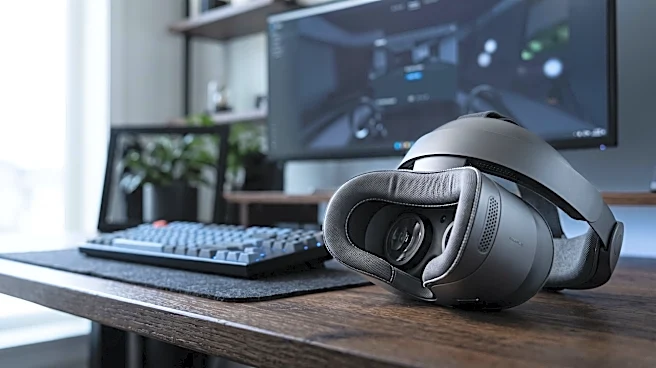
Valve officially launched its new VR headset, the Steam Frame, on September 14, 2026. The device is available in two configurations: a 256GB model priced at $1,059 and a 1TB model at $1,299. The Steam Frame is designed primarily for PC gamers, functioning
as both a standalone unit and a PC-streaming headset that plays Steam titles. Valve initiated a randomized reservation and waitlist system for purchases, with sign-ups occurring between September 14 and 17, and fulfillment commencing on September 18. However, the headset remains supply-constrained, with some reservation holders expecting order emails in December 2026 or even 2027. A SteamVR beta update in November improved Frame support, introducing a desktop environment called Aurora, enhancing streaming reliability, and adding gamepad support. The headset is not an Apple or Meta product and does not offer iPhone integration.
Why It's Important?
The introduction of the Steam Frame by Valve marks a significant development in the PC VR market, offering a dedicated hardware solution for Steam's extensive gaming library. Its dual functionality as a standalone and PC-streaming headset provides flexibility for users, potentially expanding the reach of high-fidelity VR experiences to a broader PC gaming audience. The pricing, while competitive within the high-end VR segment, positions it as a premium device. The supply constraints and reservation system indicate strong initial demand but also highlight potential challenges in meeting that demand, which could affect market penetration and user adoption rates in the short term. The focus on PC gaming means it caters to a specific demographic, distinguishing it from more general-purpose VR headsets like Meta's Quest line or Apple's Vision Pro.
What's Next?
Valve's immediate focus will likely be on fulfilling existing reservations and scaling production to meet demand for the Steam Frame. Customers who signed up for the reservation list can anticipate receiving order emails in December 2026 or throughout 2027, with more detailed timing for 2027 orders expected by January 2027. Continued software updates, such as the recent SteamVR beta improvements, are expected to further enhance the headset's functionality and user experience. The device's performance in Steam's hardware survey, where it quickly climbed into the top six PC VR headsets, suggests a positive initial reception among PC VR users. Future developments may include efforts to address supply chain issues and potentially expand availability beyond the current reservation system.
Beyond the Headlines
The Steam Frame's launch underscores the ongoing evolution and diversification within the virtual reality market. By targeting PC gamers and leveraging its vast Steam library, Valve is carving out a distinct niche, emphasizing high-performance VR experiences tied to a robust existing ecosystem. This strategy contrasts with the broader consumer appeal of Meta's standalone headsets and Apple's focus on spatial computing and integration within its own ecosystem. The reported cost pressures due to memory-chip costs, which also affected Meta's pricing, highlight a broader industry challenge that could influence future VR hardware pricing and development. The success of the Steam Frame could further solidify PC VR as a significant segment within the overall VR landscape, driving innovation in both hardware and software for dedicated gaming experiences.