

What's Happening?
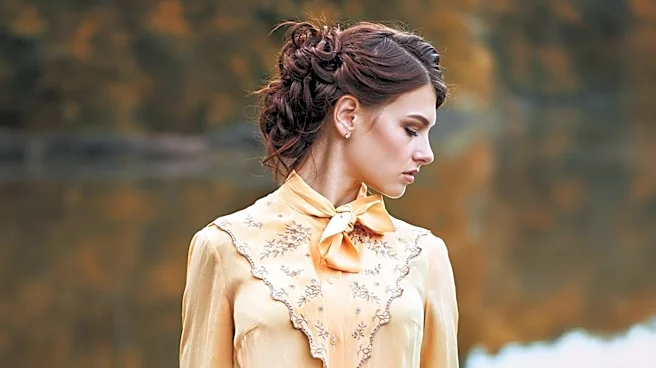
Revolve, the online fashion retailer, is prominently featuring items that align with the 'fairycore' aesthetic, a trend recently highlighted by K-pop star Aespa's Winter. This fashion subculture emphasizes ethereal, nature-inspired elements such as sheer
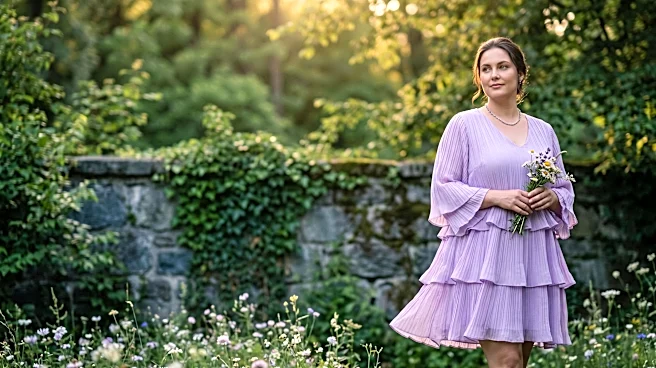
fabrics, asymmetrical ruffles, delicate lace, and pastel palettes. Revolve's curated selection includes pieces like the Amur Dalia Pleated Babydoll Dress, described as a 'fairycore masterpiece' with its crinkled chiffon and tiered layers. Other featured items from Revolve include the Cult Gaia Ria Sandal, which incorporates a sculpted daffodil design, and the Vaillant Signature Lace Top, known for its lightweight satin and intricate lace trim. These selections aim to help consumers emulate the whimsical and romantic style popularized by Winter's recent woodland nymph-inspired look, characterized by soft textures and organic shapes.
Why It's Important?
This trend's adoption by Revolve signifies the growing influence of K-pop stars and social media aesthetics on mainstream fashion retail in the U.S. Revolve's strategy of aligning with popular cultural figures and emerging aesthetics allows it to capture market share among fashion-conscious consumers. The emphasis on 'fairycore' reflects a broader consumer desire for escapism and romanticism in clothing, potentially boosting sales for brands that successfully integrate these elements. For the fashion industry, it highlights the rapid cycle of trends driven by digital platforms and celebrity endorsements. Brands featured on Revolve, such as Amur, Cult Gaia, and Vaillant, gain significant exposure and validation, potentially increasing their brand recognition and sales within the competitive U.S. fashion market. This also indicates a shift towards more whimsical and less structured fashion choices, influencing design and production decisions for upcoming seasons.
What's Next?
The continued promotion of fairycore and similar aesthetics by major retailers like Revolve suggests that this trend will likely persist through late summer and early autumn. Consumers can expect to see more brands incorporating sheer fabrics, ruffles, lace, and nature-inspired motifs into their collections. Fashion influencers and stylists will likely continue to showcase these styles, further solidifying their presence in the market. Retailers may also look to other K-pop stars and digital trends for inspiration, leading to a dynamic and rapidly evolving fashion landscape. Designers will be keen to innovate within this aesthetic, potentially introducing new interpretations or combining it with other emerging styles to maintain consumer interest. The success of these collections will likely be monitored by other retailers, potentially leading to wider adoption of similar marketing and product strategies.
Beyond the Headlines
The 'fairycore' trend, as amplified by Revolve, reflects a deeper cultural yearning for fantasy and escapism, particularly in a post-pandemic world. This aesthetic offers a departure from more utilitarian or minimalist fashion, providing consumers with an opportunity to express whimsy and romanticism. It also underscores the power of digital culture and celebrity influence in shaping consumer preferences, demonstrating how a single celebrity's outfit can drive significant retail trends. Ethically, the focus on 'sustainable labels' like Amur within this trend points to a growing consumer demand for environmentally conscious fashion, even within niche aesthetics. This could encourage more brands to adopt sustainable practices to appeal to this demographic. Legally, the use of celebrity inspiration in marketing, while common, highlights the fine line between trend adoption and potential intellectual property considerations, though in this case, it appears to be general trend-spotting rather than direct endorsement.