






What's Happening?
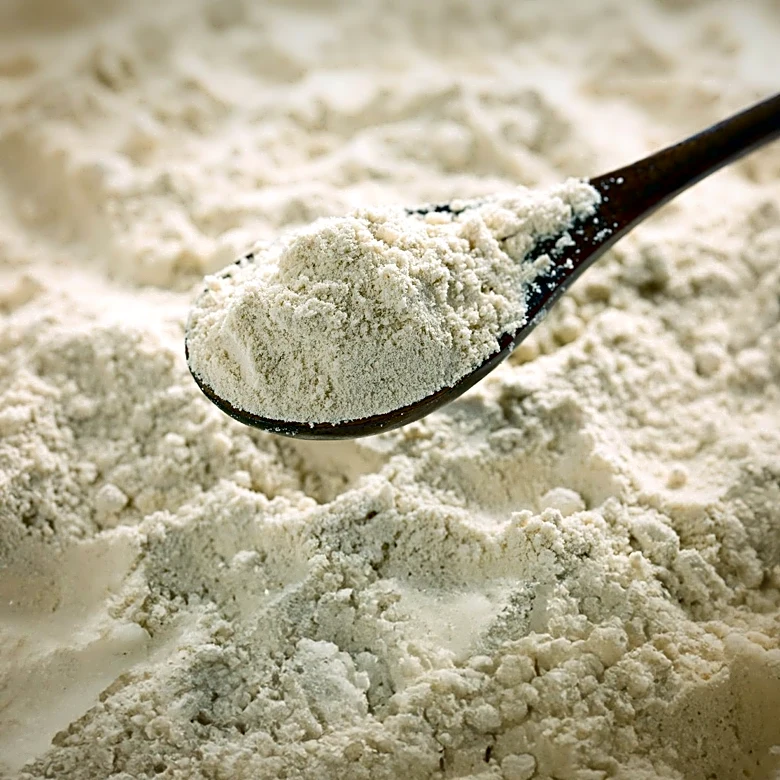
Creatine monohydrate is a popular supplement used to enhance performance during high-intensity exercise and to promote muscle gain. It is naturally produced by the body and can also be obtained from animal-based foods. The supplement is primarily stored
in skeletal muscle, where it provides a rapid energy reserve for muscle contraction. Creatine is particularly beneficial for short, intense activities like resistance training and sprinting. The standard dosage for creatine monohydrate is 3 to 5 grams per day, and it is generally considered safe for healthy adults. Side effects are rare and usually mild, such as gastrointestinal discomfort, especially when taken in large doses. Creatine is not an anabolic steroid and is not banned by major sports organizations.
Why It's Important?
The use of creatine monohydrate is significant for athletes and individuals engaged in high-intensity training as it can enhance performance and muscle mass. Its safety profile makes it a viable option for many, contributing to its popularity. The supplement's ability to improve exercise performance and recovery can lead to better training outcomes and potentially reduce exercise-related injuries. Understanding the correct dosage and usage is crucial to maximize benefits while minimizing side effects. The widespread acceptance and use of creatine in sports highlight its importance in the fitness and health industry.