







What's Happening?
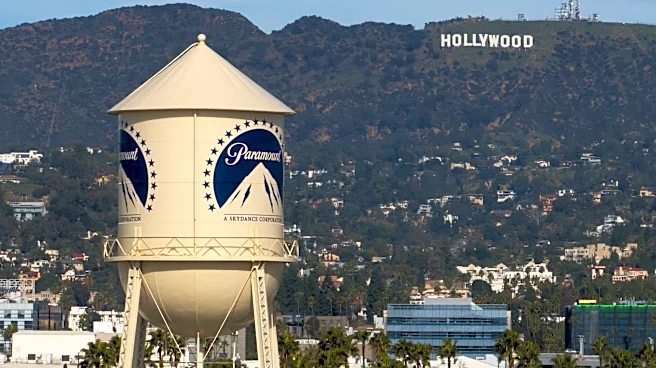
Warner Bros. Discovery and Paramount Skydance are considering a merger, a move seen as a last resort amid significant industry challenges. The merger is under scrutiny due to potential monopolistic concerns, with California Attorney General Rob Bonta
indicating a rigorous review by the state's Department of Justice. Historically, Hollywood has seen similar mergers, but the current climate is marked by declining theater attendance, the impact of the pandemic, and the rise of streaming services. The merger aims to stabilize the companies, but it faces potential legal challenges due to its size and the involvement of sovereign wealth funds.
Why It's Important?
The merger between Warner Bros. and Paramount could significantly impact the U.S. entertainment industry, potentially reshaping the landscape of major studios. If successful, it might provide a temporary lifeline to these companies, allowing them to adapt to a rapidly changing market. However, the merger also raises concerns about reduced competition and the concentration of media power, which could limit opportunities for filmmakers and affect content diversity. The outcome of this merger could set a precedent for future industry consolidations and influence regulatory approaches to media mergers.
What's Next?
The merger's future depends on regulatory reviews and potential lawsuits challenging its legality. If approved, the companies will need to navigate integration challenges and develop strategies to compete with streaming giants like Netflix. The industry will be watching closely to see if this merger can provide a sustainable model for traditional studios in a digital age. Stakeholders, including filmmakers and industry workers, may react to the merger's impact on employment and creative opportunities.
Beyond the Headlines
The merger highlights broader issues in Hollywood, such as the decline of traditional cinema and the rise of digital platforms. It underscores the need for studios to innovate and find new revenue streams, possibly through immersive experiences or leveraging social media. The political dimension, with Warner Bros. owning CNN, adds complexity, as media ownership can influence news coverage and public perception. The merger's outcome could influence how media companies balance commercial interests with cultural and political responsibilities.