



What's Happening?
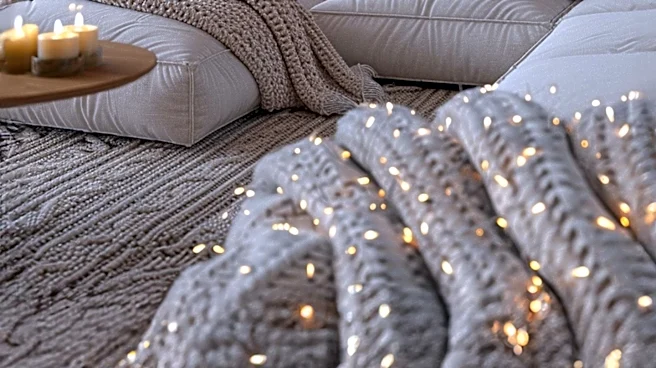
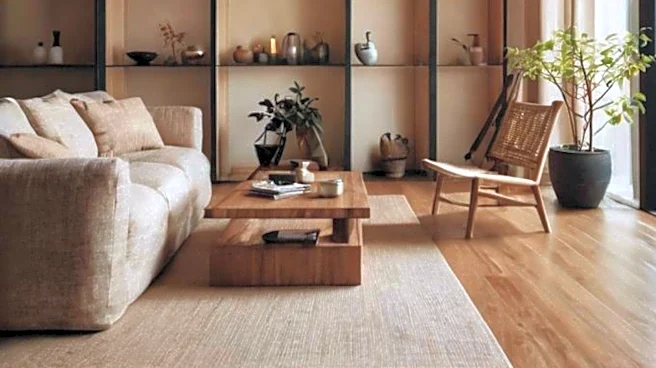
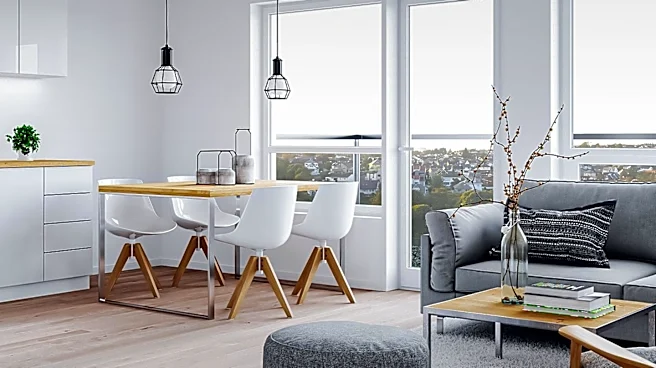
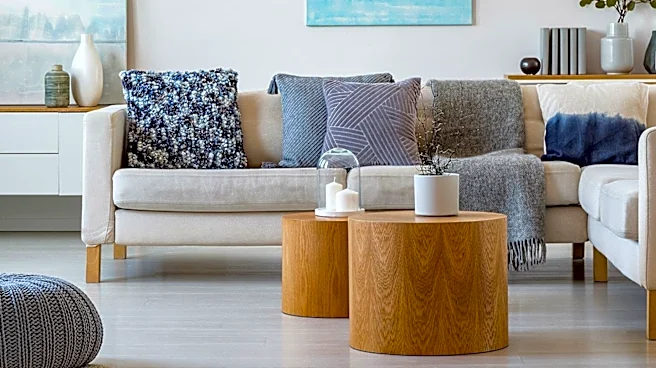
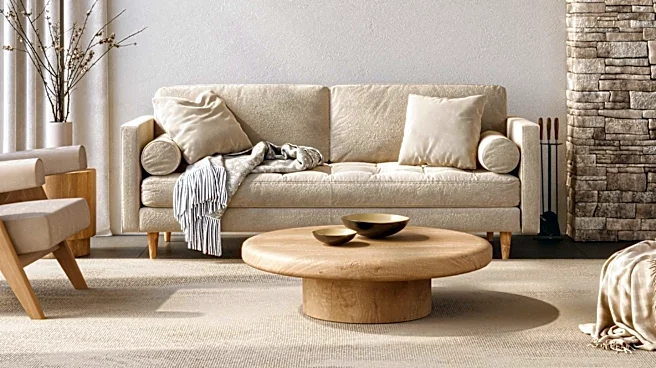
Japandi style, a fusion of Japanese and Scandinavian design principles, is gaining prominence in interior aesthetics. This design philosophy centers on minimalism, functionality, a connection to nature, and a sense of calmness. Key visual characteristics
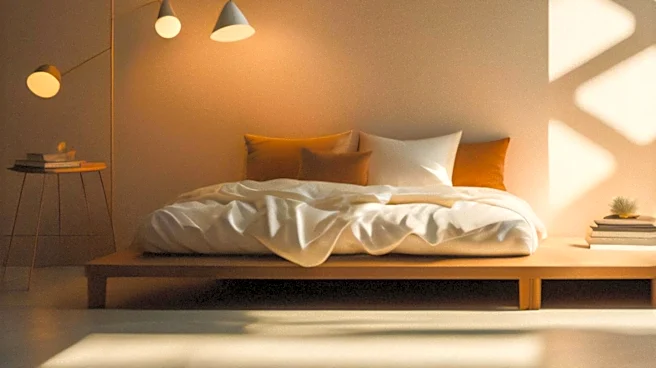
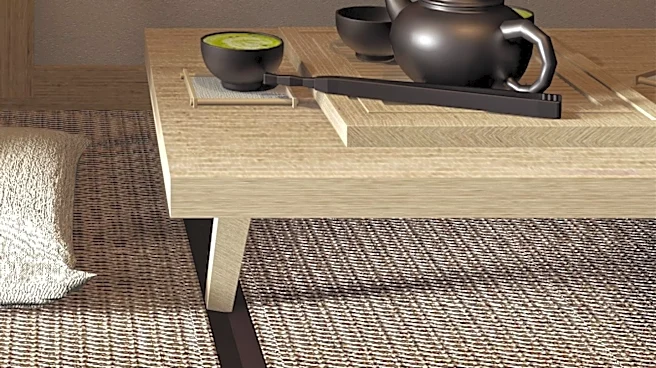
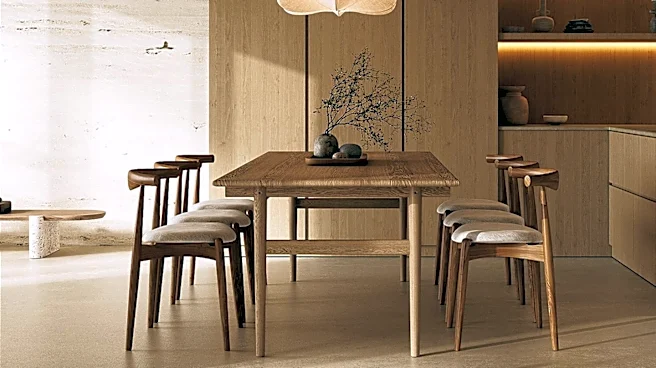
include clean silhouettes, warm-neutral color palettes, natural textures, and understated detailing. Furniture in this style is designed to convey restraint through its form rather than relying on excessive ornamentation. Light woods and rattan are frequently incorporated, contributing to a serene and cohesive look without appearing overly decorated. The approach prioritizes edited spaces with ample 'quiet space' for materials and forms to be appreciated. Examples of its application range from luxury penthouses to bedroom furniture and even restaurant interiors, highlighting its versatility across different spaces.
Why It's Important?
The rise of Japandi style reflects a broader shift in design preferences towards sustainability, tranquility, and intentional living. For the U.S. interior design and furniture industries, this trend signifies a demand for products that are not only aesthetically pleasing but also embody a sense of calm and natural harmony. Manufacturers and retailers focusing on furniture, home decor, and architectural elements can capitalize on this by offering pieces that align with Japandi's emphasis on clean lines, natural materials like light wood and rattan, and neutral color schemes. This trend can influence product development, marketing strategies, and even architectural choices, as consumers increasingly seek to create peaceful and uncluttered living environments. The focus on natural materials also has implications for sourcing and production, potentially boosting demand for responsibly sourced wood and other sustainable resources.
What's Next?
As Japandi style continues to evolve, the interior design and furniture sectors are likely to see further innovation in material combinations and design applications. Expect to see more collections that thoughtfully balance different light wood tones, such as Sungkai for a pale, airy feel or Mindi for a warmer golden-brown mood, alongside controlled use of rattan accents. Designers will continue to explore how to integrate these elements to create cohesive and visually strong collections, ensuring that restraint and balance are prioritized over material quantity. The development of custom bedroom furniture and other home pieces will likely focus on repeating design language through proportions, leg forms, edge details, and finishes, rather than simply replicating material coverage. This will lead to more sophisticated and nuanced Japandi-inspired products entering the market.
Beyond the Headlines
The growing popularity of Japandi style extends beyond mere aesthetics, touching upon deeper cultural and psychological implications. It represents a desire for simplicity and mindfulness in an increasingly complex world, drawing from the philosophical underpinnings of both Japanese wabi-sabi (finding beauty in imperfection and transience) and Scandinavian hygge (coziness and comfort). This design movement encourages a more deliberate approach to consumption, favoring quality over quantity and timelessness over fleeting trends. Ethically, the emphasis on natural and often sustainable materials can promote more environmentally conscious manufacturing practices. Culturally, it fosters an appreciation for craftsmanship and natural beauty, potentially influencing consumer values towards a more minimalist and harmonious lifestyle that values peace and order in personal spaces.