






What's Happening?
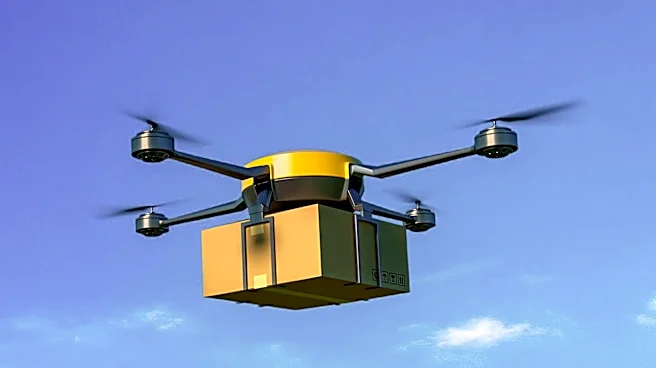
Walmart is significantly expanding its drone delivery services across the United States through an enhanced partnership with Zipline. Zipline, a leading drone delivery provider, will operate from 300 new Walmart store locations, aiming to establish a nationwide
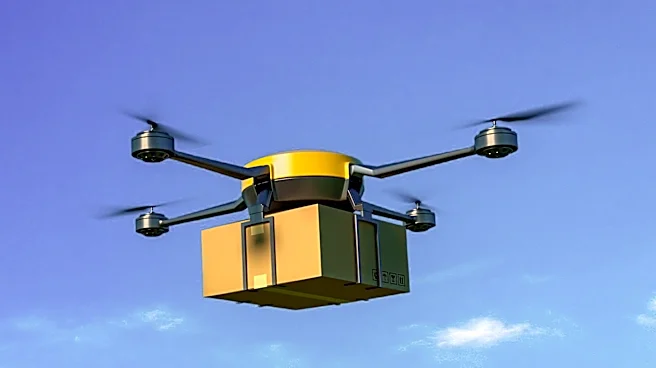
drone delivery capacity. This expansion is supported by a substantial $1.5 billion in new funding secured by Zipline, which will be utilized to boost its U.S. manufacturing facilities and increase hiring to meet the rising demand for rapid aerial delivery. Walmart currently operates 21 sites with Zipline and also utilizes Alphabet’s Wing drone delivery service. The retail giant has completed over 2 million drone deliveries since initiating the service with Zipline in 2021, offering delivery of everyday essentials in as little as 30 minutes. Customers can access drone delivery options via the Walmart app or Walmart.com if their address falls within the delivery range, allowing them to track their orders as they are flown to their homes and delivered to their front yard, backyard, or driveway.
Why It's Important?
This nationwide expansion of drone delivery by Walmart and Zipline signifies a major shift in the retail and logistics sectors, emphasizing speed and convenience as critical competitive advantages. For consumers, it means faster access to essential goods, potentially transforming how they shop and receive products. For Walmart, it strengthens its e-commerce capabilities, which saw a 24% growth in U.S. sales during the second quarter, with deliveries from local stores increasing by 43%. This move positions Walmart to better compete with other major retailers like Amazon, which is also aggressively expanding its Prime Air drone delivery service. The investment in Zipline, valuing the company at $21.5 billion, underscores the growing confidence in drone technology as a viable and scalable solution for last-mile delivery. This development could also spur innovation and investment in drone manufacturing and related infrastructure within the U.S., creating new jobs and technological advancements.
What's Next?
Zipline plans to use its new $1.5 billion funding to expand its U.S. manufacturing facilities and increase its workforce to support the nationwide rollout. While Walmart has not yet provided a specific timeline or list of areas for the Zipline expansion, the goal is to bring this fast delivery option to more customers across the country. The partnership aims to offer drone delivery from over 270 locations in nearly 20 metro areas, including Seattle and Denver in 2027. This expansion will likely involve further regulatory approvals and infrastructure development to ensure safe and efficient drone operations. The success of this initiative could encourage other retailers and logistics companies to invest more heavily in drone delivery, potentially leading to a more widespread adoption of automated aerial delivery services in the coming years. Uber, a participant in Zipline's funding round, is targeting one million deliveries a day with Zipline by 2029, indicating a strong belief in the future of this technology.
Beyond the Headlines
The widespread adoption of drone delivery raises several deeper implications beyond immediate convenience. Environmentally, drones could offer a more sustainable delivery option compared to traditional vehicle-based methods, potentially reducing carbon emissions and traffic congestion in urban areas. However, concerns about noise pollution and privacy, as drones fly over residential areas, will need to be addressed through technological advancements and regulatory frameworks. Legally, the expansion of drone operations will necessitate clear guidelines for airspace management, safety protocols, and liability in case of accidents. Culturally, the sight of drones regularly delivering packages could become a normalized part of daily life, fundamentally altering public perception of logistics and technology. This shift could also impact local economies, potentially creating new service jobs related to drone maintenance and operation, while possibly displacing some traditional delivery roles. The integration of drone delivery into healthcare, as seen with Zipline's partnerships with Cleveland Clinic and Mayo Clinic, also highlights its potential to revolutionize access to medical supplies and services, particularly in remote or underserved areas.