




What's Happening?
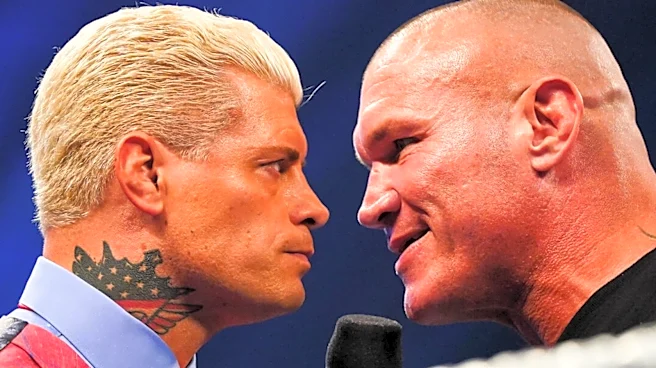
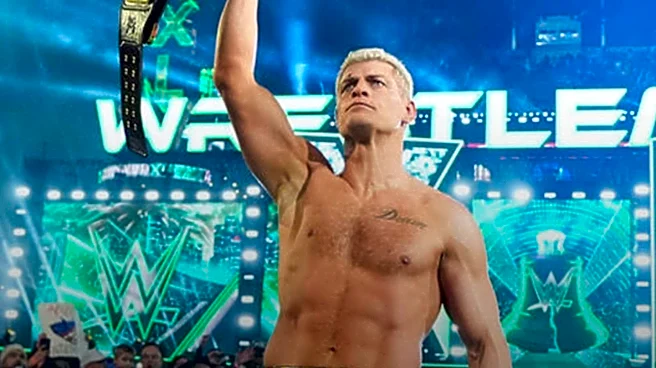
WWE star Cody Rhodes revealed that he refused a WWE directive to humiliate fans on live television during his 'disfigured' character phase. During this period, Rhodes would hand out paper bags to fans, implying they were unattractive. However, WWE staff
became frustrated because Rhodes would not force bags onto fans they deemed 'ugly.' Rhodes stated he was unwilling to single out individuals based on appearance and force a bag on them, considering it a serious line not to cross. Instead, he chose fans who volunteered to participate in the segment, understanding it was part of the show. This decision highlights Rhodes's ethical stance against genuinely embarrassing audience members, even when playing a villainous character.
Why It's Important?
This revelation is significant as it sheds light on the ethical considerations within professional wrestling entertainment and the boundaries performers are willing to uphold. It demonstrates Cody Rhodes's personal integrity and his refusal to compromise his values for a storyline, even when it meant defying company expectations. This decision likely protected individual fans from potential public humiliation and maintained a level of respect between the performer and the audience. It also offers a glimpse into the creative process and the potential conflicts that can arise between a performer's moral compass and the demands of a storyline designed to elicit a specific reaction from the crowd. This incident could influence how future storylines involving audience interaction are conceived and executed, emphasizing the importance of consent and respect.
What's Next?
While this event occurred in the past, Cody Rhodes's willingness to share this story reinforces his character as a principled individual within the wrestling world. This revelation could further endear him to fans who value authenticity and ethical conduct from their favorite performers. It might also prompt discussions within the wrestling industry about the responsibilities of performers and promotions regarding audience interaction and the potential for harm, even in the context of entertainment. Future storylines involving Rhodes or other wrestlers might subtly reflect these ethical considerations, with a greater emphasis on consensual and respectful fan engagement. This story serves as a reminder of the delicate balance between entertainment and ethical boundaries in live performance.
Beyond the Headlines
Beyond the immediate context of a wrestling storyline, this incident touches upon broader themes of consent, public humiliation, and the ethics of entertainment. It raises questions about the power dynamics between performers and their audience, and the responsibility of those in the public eye to treat individuals with dignity. Rhodes's refusal to participate in what he perceived as genuine humiliation, even for the sake of his character, underscores a moral compass that prioritizes human respect over theatrical effect. This stance can serve as a valuable lesson in any public-facing industry, highlighting the importance of drawing clear lines when it comes to potentially demeaning interactions. It also speaks to the evolving nature of entertainment, where audiences increasingly expect ethical behavior and authenticity from their idols.