





What's Happening?
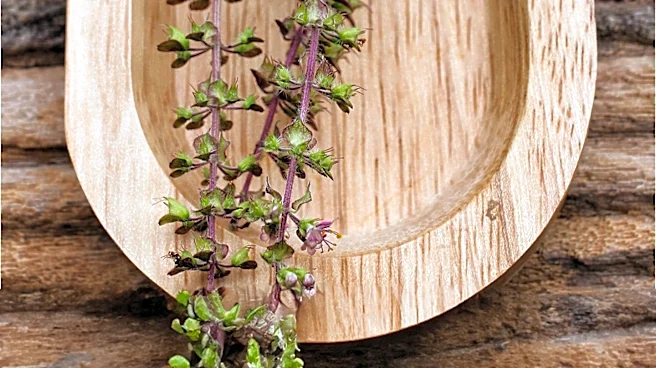
Edible Garden AG Incorporated has announced the expansion of its USDA Organic basil distribution to ShopRite stores, facilitated through Wakefern Food Corp. This move introduces the first verified USDA Organic basil in the controlled environment agriculture
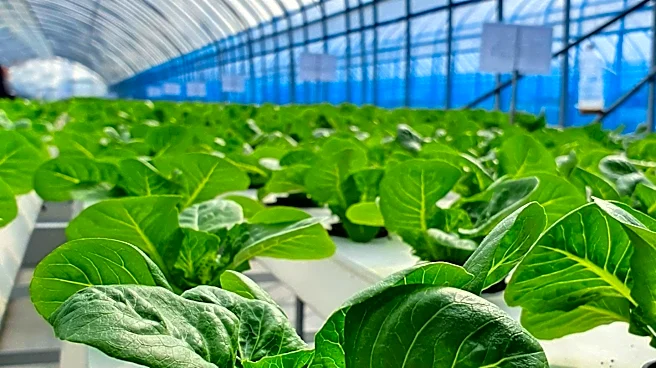
industry to these stores, just ahead of Labor Day. The basil is cultivated using Edible Garden’s proprietary GreenThumb 2.0 software, which optimizes growing conditions. Distribution leverages Wakefern’s existing backhaul logistics network, enhancing efficiency. Concurrently, the Whole Foods Market Foundation has awarded over $2.6 million in Garden Grants. These grants have been distributed to 750 schools and non-profit organizations, specifically to support K-12 edible learning spaces. The initiative aims to promote healthy eating habits among students by providing hands-on experience with growing food.
Why It's Important?
This expansion by Edible Garden signifies a notable advancement in the availability of USDA Organic produce within mainstream grocery chains, potentially increasing consumer access to sustainably grown products. The use of proprietary software like GreenThumb 2.0 highlights a growing trend towards technology-driven agriculture, which can lead to more efficient and environmentally friendly farming practices. For consumers, this means more options for organic, locally sourced produce, which can impact dietary choices and overall health. The Whole Foods Market Foundation's grants are crucial for fostering agricultural literacy and healthy eating habits from a young age. By investing in K-12 edible learning spaces, the foundation is addressing long-term public health goals, potentially reducing childhood obesity and promoting sustainable food systems. This dual development underscores a broader societal shift towards healthier, more sustainable food production and consumption in the U.S.
What's Next?
Edible Garden's continued expansion into more retail locations, potentially beyond ShopRite, could be anticipated as the demand for USDA Organic products grows. The success of their distribution model through Wakefern's backhaul logistics might encourage other agricultural companies to explore similar partnerships, optimizing supply chains and reducing environmental footprints. For the schools and non-profits receiving Whole Foods Market Foundation grants, the immediate next step involves implementing and expanding their edible learning spaces. This will likely lead to new educational programs focused on nutrition, gardening, and environmental stewardship. Future grant cycles from the Whole Foods Market Foundation could target additional schools and communities, further broadening the reach of these educational initiatives and potentially influencing curriculum development in agricultural and nutritional sciences.
Beyond the Headlines
The introduction of verified USDA Organic basil through controlled environment agriculture represents a significant step towards food security and sustainability. This method reduces reliance on traditional farming, which can be susceptible to climate variability and pest issues, offering a more consistent and potentially higher-quality product. The integration of technology like GreenThumb 2.0 also raises questions about the future of farming, potentially leading to more automated and data-driven agricultural practices. The Whole Foods Market Foundation's investment in edible learning spaces goes beyond simply teaching children how to garden; it instills a deeper understanding of where food comes from, the effort involved in its production, and the importance of healthy eating. This could foster a generation more conscious about their food choices and more engaged in sustainable living, potentially influencing long-term public health outcomes and environmental policies.