








What's Happening?
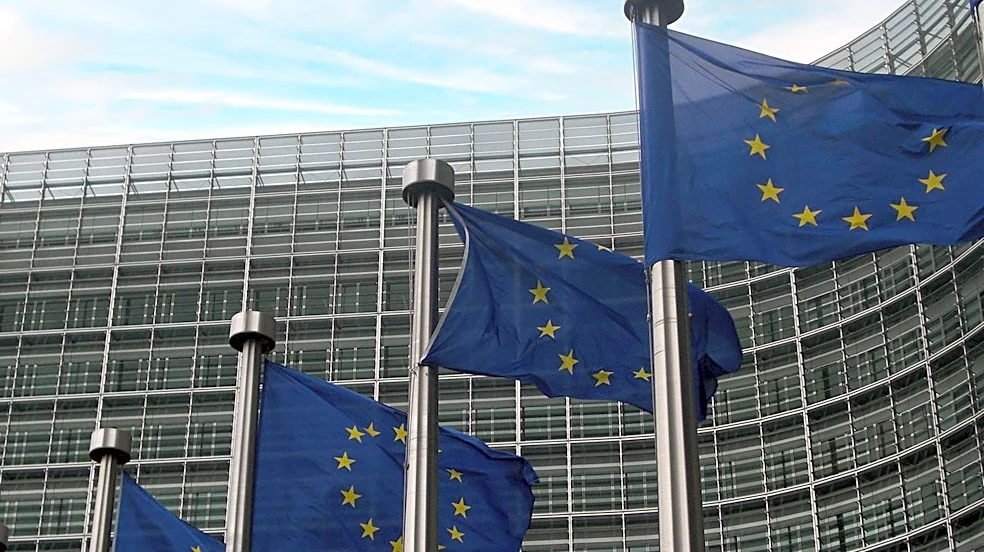
The European Union is increasingly converging on a set of sensitive areas for foreign direct investment (FDI) screening, as highlighted in its sixth annual report. This trend means that Hong Kong companies, and by extension, other foreign investors, should
anticipate prior notification and approval requirements for acquisitions, joint ventures, or greenfield investments in sectors such as energy, transport, health, defense, critical raw materials, communications and media, data processing and storage, and critical and dual-use technologies. These critical technologies include artificial intelligence, semiconductors, biotechnology, and quantum computing. Several EU member states are also progressing with their own screening mechanisms; for instance, Finland is reforming its Act on the Screening of Foreign Corporate Acquisitions, with a government proposal expected in autumn 2026. The Netherlands is finalizing a Defense and Security-related Industry Resilience Act and considering expanding its general screening to include AI, biotechnology, radar technology, nanotechnology, and medical nuclear technology. This indicates a clear expansion rather than a narrowing of the scope of investment screening across the EU.
Why It's Important?
This intensified scrutiny of foreign direct investments by the EU has significant implications for U.S. businesses and investors operating or planning to operate in European markets. U.S. companies involved in defense, biotechnology, artificial intelligence, and other dual-use technologies will face increased regulatory hurdles and longer transaction planning timelines. The expanded scope of screening reflects a growing concern within the EU regarding national security and technological sovereignty, potentially leading to more complex and time-consuming approval processes for U.S. firms. This could deter some U.S. investments in critical European sectors or necessitate more strategic partnerships to navigate the regulatory landscape. Companies that fail to factor in these screening timelines and requirements from the outset risk delays, increased costs, or even rejection of their investments. The trend also signals a broader global shift towards protecting strategic industries, which could influence U.S. policy discussions on inbound and outbound investments in sensitive sectors.
What's Next?
U.S. companies with existing or planned investments in the EU, particularly in the identified sensitive sectors, should closely monitor the ongoing legislative developments in individual member states like Finland and the Netherlands. They should also prepare for more rigorous due diligence and longer approval processes for any new investments or expansions. This will likely involve engaging with legal and regulatory experts specializing in EU FDI screening to ensure compliance and mitigate potential risks. Furthermore, the expanding scope of technologies under scrutiny, such as AI and biotechnology, suggests that U.S. firms in these cutting-edge fields will need to develop robust strategies for navigating complex international investment regulations. The EU's continued focus on these areas could also prompt other major economies to review and potentially strengthen their own FDI screening mechanisms, creating a more challenging global investment environment for U.S. businesses in strategic sectors.
Beyond the Headlines
The EU's enhanced FDI screening reflects a deeper geopolitical shift towards economic nationalism and the protection of critical national assets and technological capabilities. This trend is not merely about economic competition but also about safeguarding national security and strategic autonomy in an increasingly complex global landscape. For U.S. businesses, this means that investment decisions in the EU will increasingly be viewed through a lens of national security and strategic interest, rather than purely economic terms. It could lead to a re-evaluation of global supply chains and a push towards more localized production or partnerships within trusted blocs. The ethical implications of dual-use technologies, particularly in AI and biotechnology, are also becoming more prominent, influencing regulatory frameworks. This could foster greater collaboration between U.S. and EU regulators on technology governance, but also create friction if national interests diverge. Ultimately, this trend underscores a move towards a more fragmented global economy where strategic sectors are heavily protected.