







What's Happening?
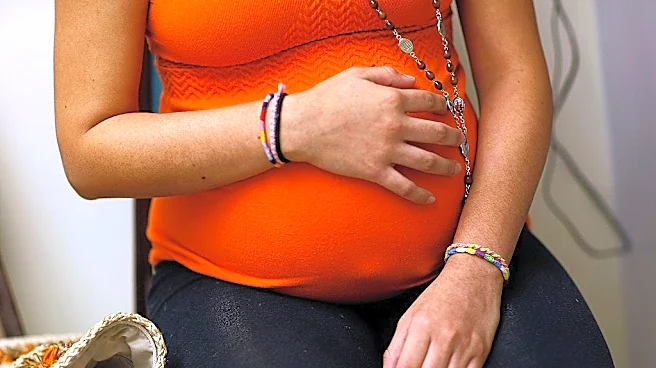
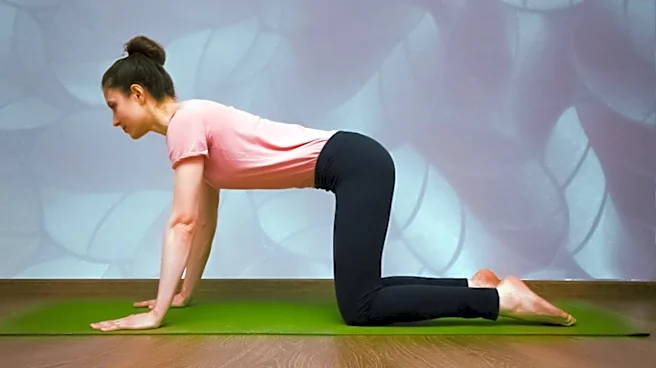
Expectant mothers are encouraged to engage in specific prenatal workouts, including prenatal yoga, Pilates, low-impact aerobics, and swimming, to support a healthy pregnancy. These exercises are designed to enhance flexibility, strength, and provide stress
relief. It is crucial for pregnant individuals to avoid 'hot' yoga or Pilates classes due to the risks of overheating and dehydration, which can negatively impact both the mother and the baby. The best prenatal exercise plan is highly individualized, depending on the pre-pregnancy fitness level and specific health circumstances of the individual. Consulting a healthcare provider, such as an obstetrician or midwife, is essential before commencing or continuing any exercise program during pregnancy. For most non-high-risk pregnancies, various forms of exercise can be safely performed with appropriate modifications. The recommended weekly exercise duration for pregnant individuals is 120 to 150 minutes of moderate-intensity aerobic activity, which can be broken down into manageable sessions.
Why It's Important?
Maintaining physical fitness during pregnancy is vital for maternal health and healthy fetal development, extending beyond just weight management. Regular, moderate exercise during pregnancy is linked to significant health benefits, including a reduced risk of gestational diabetes, preeclampsia, and the likelihood of needing a cesarean delivery. Beyond these major medical benefits, prenatal exercises help alleviate common aches and pains associated with pregnancy, support healthy fetal development, and boost overall emotional well-being. The physical changes experienced during pregnancy necessitate modifications to exercise routines, emphasizing listening to one's body and avoiding overexertion to ensure adequate oxygen flow to the fetus. Adapting exercise routines trimester by trimester is crucial, as the body undergoes dramatic changes over nine months. This approach ensures that exercises remain safe and effective throughout the different stages of pregnancy, promoting a healthier outcome for both mother and child.
What's Next?
Pregnant individuals should prioritize consulting their healthcare provider before initiating any new exercise regimen to ensure it aligns with their specific health conditions and pregnancy stage. The focus will be on tailoring exercise routines to individual needs, with a trimester-by-trimester approach. In the first trimester, gentle prenatal yoga, walking, and light strength work are recommended. The second trimester, often considered the 'energy window,' is ideal for establishing a steady rhythm of safe workouts like swimming or stationary cycling. For the third trimester, a more cautious approach is advised, transitioning to low-impact exercises such as walking, swimming, and modified yoga, while avoiding activities with a fall risk. Continuous monitoring of the body's responses and adjusting intensity as pregnancy progresses will be key to a safe and effective prenatal fitness journey.
Beyond the Headlines
The emphasis on prenatal workouts highlights a broader shift towards proactive maternal health management, recognizing the profound impact of physical activity on both physiological and psychological well-being during pregnancy. Beyond the immediate physical benefits, regular exercise during pregnancy has been consistently linked to improved mood, better sleep quality, and reduced symptoms of anxiety and prenatal depression. This underscores the holistic benefits of prenatal fitness, addressing mental health alongside physical health. Furthermore, engaging in group prenatal fitness classes can foster a sense of community among expectant parents, alleviating feelings of isolation and providing a supportive network. This comprehensive approach to prenatal care, integrating physical activity with mental and social well-being, contributes to a more positive and healthier pregnancy experience, and potentially a smoother postpartum recovery.