




What's Happening?
A significant increase in searches for 24-hour city breaks and 'race-cations' is being observed, indicating a growing trend in short, immersive travel experiences. Data from Bókun, a Tripadvisor-owned company, reveals a 500% surge in Google searches for 'what
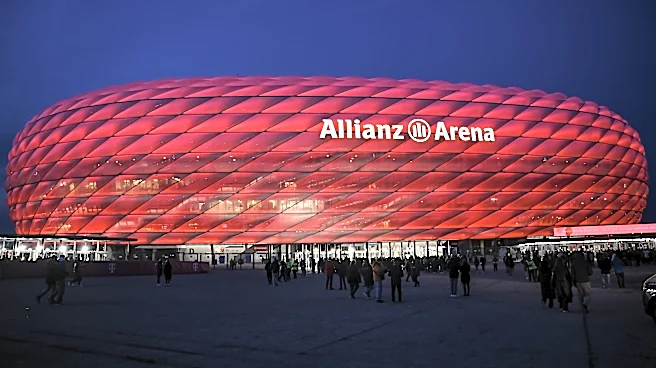
to do in Hamburg' in the last month, alongside substantial increases for other European cities like Lisbon (400%), Munich (250%), Berlin (119%), Budapest (84%), and Amsterdam (70%). This trend is partly fueled by 'race-cations,' where individuals combine participation in major sporting events, such as marathons, with brief city explorations. Searches for 'marathon abroad' have soared by 1,255% in the past year, with a quarter of global marathons occurring in October. Beyond sporting events, the broader concept of 'micro-cations' or microadventures, which involve maximizing a destination experience within a limited timeframe, is gaining traction. Travelers are also showing increased interest in guided tours and local experiences, with searches for 'Budapest day tours' up over 400% and 'Lisbon cooking class' up 488%.
Why It's Important?
This shift towards microadventures and 'race-cations' has significant implications for the travel and tourism industry. It suggests a change in consumer behavior, favoring shorter, more frequent, and experience-rich trips over longer, traditional vacations. This trend could lead to increased demand for efficient travel planning tools, localized tour packages, and unique cultural experiences that can be condensed into a 24-hour or weekend timeframe. Businesses in the hospitality sector, including hotels, tour operators, and local attractions, stand to gain by tailoring their offerings to cater to these time-constrained travelers. The emphasis on immersive experiences, such as cooking classes and food tours, also highlights a desire for authentic engagement with local culture, potentially boosting local economies. Conversely, destinations that are not well-equipped to offer condensed, high-impact experiences might see a decline in interest from this growing segment of travelers.
What's Next?
The travel industry is likely to further adapt to the rising popularity of microadventures and 'race-cations.' We can anticipate an increase in specialized travel packages designed for short stays, focusing on efficiency and unique local experiences. Tour operators may develop more 24-hour or weekend itineraries that highlight key cultural, culinary, or historical aspects of a city. Marketing efforts will likely emphasize the ease and richness of these brief getaways, appealing to individuals with limited vacation time but a strong desire for travel. Furthermore, cities hosting major sporting events may see a continued boost in tourism, prompting them to enhance their infrastructure and offerings to accommodate both athletes and accompanying travelers seeking short-term exploration. Technology platforms will also play a crucial role in facilitating these trips, with an emphasis on seamless booking, personalized recommendations, and efficient navigation tools for short-duration visits.
Beyond the Headlines
The rise of microadventures and 'race-cations' reflects a broader societal shift towards valuing experiences and efficiency in leisure time. In an increasingly fast-paced world, individuals are seeking ways to integrate travel and personal enrichment without the commitment of extended breaks. This trend also underscores a growing interest in health and wellness, as evidenced by the 'race-cation' phenomenon, where physical challenges are combined with cultural exploration. Ethically, this could lead to a more sustainable form of tourism, as shorter trips might reduce the overall carbon footprint per traveler compared to long-haul, extended vacations, provided that local transportation and accommodation choices are also environmentally conscious. Culturally, it encourages a deeper, albeit brief, engagement with local communities and traditions, moving beyond superficial sightseeing to more authentic interactions, such as participating in local cooking classes or guided historical tours.