






What's Happening?
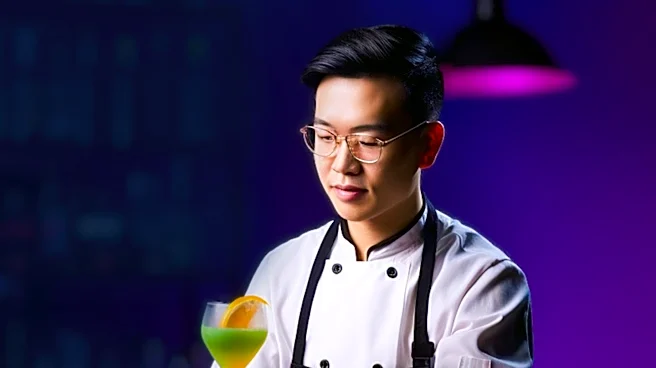
Marriott International is expanding the traditional role of its lifestyle bartenders, moving beyond mere drink mixing to encompass a broader ownership of guest service. This new approach emphasizes creating memorable and unique experiences for guests.
Bartenders are expected to stay updated on new trends and micro-local offerings, anticipate guest needs, and build relationships within the hotel and community. Their responsibilities now include ensuring the bar operates flawlessly, managing financial transactions, providing accurate information to guests, and maintaining high-quality drink standards. This shift aims to integrate bartenders more deeply into the overall guest experience, making them hosts of the space rather than just beverage providers. The company stresses the importance of a safe workplace, adherence to policies, asset protection, confidentiality, and professional appearance for all employees.
Why It's Important?
This strategic redefinition by Marriott International signifies a broader trend in the hospitality industry towards experiential service. By empowering bartenders to take greater ownership of the guest experience, Marriott aims to enhance customer satisfaction and loyalty. This move could set a new standard for service roles in hotels, potentially influencing other major hospitality chains to adopt similar models. For employees, it means an expanded skill set and greater responsibility, potentially leading to enhanced career development opportunities within the company. For guests, it promises a more personalized and attentive service, transforming a simple bar visit into a more engaging interaction. The emphasis on local trends and community engagement also suggests a move towards more authentic and localized guest experiences, which can be a significant differentiator in a competitive market.
What's Next?
Marriott will likely continue to implement and refine this expanded role for its lifestyle bartenders across its properties. This may involve new training programs focused on broader hospitality skills, customer relationship management, and local market knowledge. Other hotel chains will be observing the impact of this initiative on guest satisfaction and operational efficiency, potentially leading to similar adjustments in their service models. The success of this approach could also influence recruitment strategies, with a greater emphasis on candidates who possess strong interpersonal skills and a proactive approach to guest engagement, in addition to mixology expertise. The company will likely monitor guest feedback and internal performance metrics to assess the effectiveness of this redefined role.
Beyond the Headlines
The evolution of the bartender's role at Marriott reflects a deeper shift in consumer expectations, where experiences are valued as much as, if not more than, products. This move highlights the increasing importance of human connection and personalized service in an era of growing automation. It also underscores the idea that every customer-facing role, regardless of its traditional definition, can be a critical touchpoint for brand building and customer loyalty. Ethically, it places a greater onus on employees to be more than just task-doers, encouraging them to become active contributors to the overall brand narrative. This could lead to a more fulfilling work environment for employees who thrive on interaction and problem-solving, while also demanding a higher level of emotional intelligence and adaptability from the workforce.