






What's Happening?
China's Ministry of Commerce has launched anti-dumping investigations into imports of para-aramid filament yarns and ethylidene norbornene originating from the European Union. This action follows applications from domestic industries in China, which provided
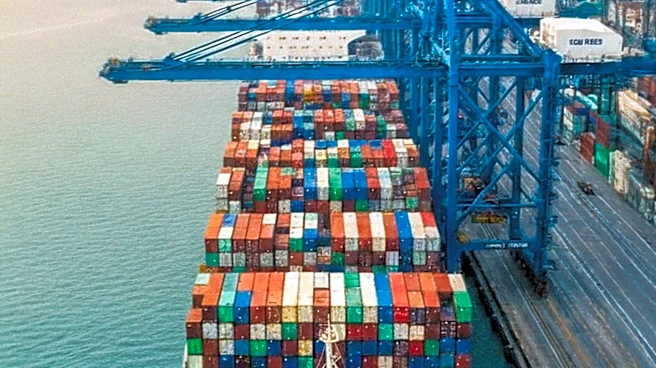
preliminary evidence suggesting that these EU imports have been priced significantly lower, causing damage to local production. Specifically, imports of para-aramid filament yarns from the EU have remained high since 2023, with prices falling by over 50%. Ethylidene norbornene imports from the EU and other regions increased by 27.35% from 2023 to 2025, and by 56% in the first half of 2026, also with declining prices. The Chinese ministry stated that these applications meet the conditions for filing anti-dumping investigations under Chinese law and WTO rules, and it will conduct thorough investigations while protecting the rights of all involved parties to ensure an objective and fair ruling. This move comes as the EU has also increased its trade remedy investigations against China, launching 16 such cases since the start of 2026, nearly double the previous year's number.
Why It's Important?
This development signifies an escalation in trade tensions between China and the European Union, potentially leading to increased protectionist measures from both sides. For U.S. industries, this could have indirect impacts, as global supply chains are interconnected. If trade disputes between China and the EU intensify, it might lead to shifts in global manufacturing and sourcing strategies, potentially creating new opportunities or challenges for American businesses. For instance, if EU products face higher tariffs in China, European manufacturers might seek alternative markets, or Chinese industries might look for non-EU suppliers, which could affect U.S. exporters. Conversely, if the EU continues its investigations against Chinese products, it could create a more competitive environment for U.S. goods in European markets. The broader implication is a potential fragmentation of global trade, where major economic blocs increasingly resort to protectionist measures, impacting international trade norms and the stability of global commerce.
What's Next?
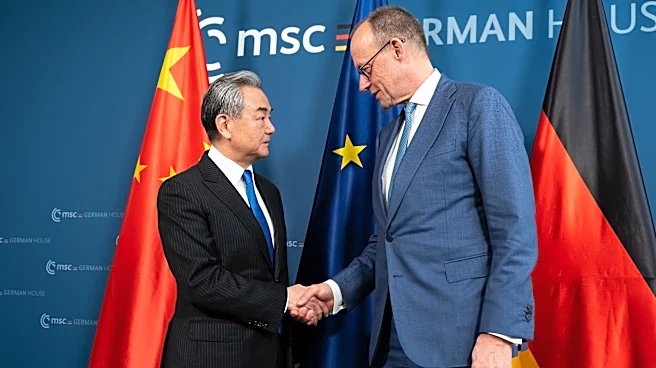
China will proceed with its anti-dumping investigations into EU-originating para-aramid filament yarns and ethylidene norbornene. These investigations will be conducted in accordance with Chinese law and WTO rules, with a focus on protecting the rights of all interested parties. The outcome of these investigations could result in the imposition of anti-dumping duties on the specified EU products, making them more expensive in the Chinese market. In response, the EU may consider further trade remedy actions or retaliatory measures against Chinese goods, exacerbating the current trade friction. The ongoing dialogue between China and the EU will be crucial in determining whether these disputes can be resolved through consultation or if they will lead to a more entrenched trade conflict. Businesses in both regions, as well as those in the U.S. with significant trade ties to either, will closely monitor these developments for potential impacts on their supply chains, market access, and overall business strategies.
Beyond the Headlines
The increasing number of trade remedy investigations between China and the EU reflects a broader global trend towards economic nationalism and protectionism. This shift could undermine the principles of free trade and multilateralism that have underpinned global economic growth for decades. The tit-for-tat nature of these investigations suggests a breakdown in trust and cooperation, potentially leading to a more fragmented global economy. Ethically, the use of anti-dumping measures, while permissible under WTO rules, can be seen as a tool to protect domestic industries at the expense of international competition and consumer choice. Legally, the adherence to WTO rules will be critical, but the spirit of cooperation may be lost. Culturally, such trade disputes can foster resentment and distrust between nations, impacting broader diplomatic relations beyond just economic ties. In the long term, this trend could lead to a restructuring of global supply chains, with companies prioritizing resilience and geopolitical alignment over pure cost efficiency, potentially leading to higher costs for consumers and reduced global economic integration.