





What's Happening?
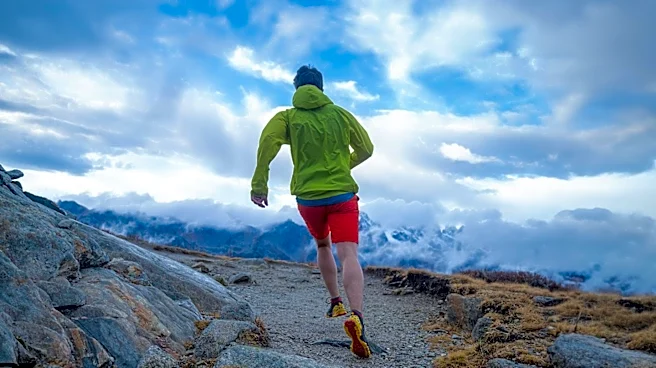
The Bolivian Ski and Mountaineering Federation, led by Paolo Choque, is actively promoting trail running and skyrunning in Bolivia, particularly on Chacaltaya Mountain. This shift comes as the Chacaltaya glacier, once home to the world's highest ski resort,
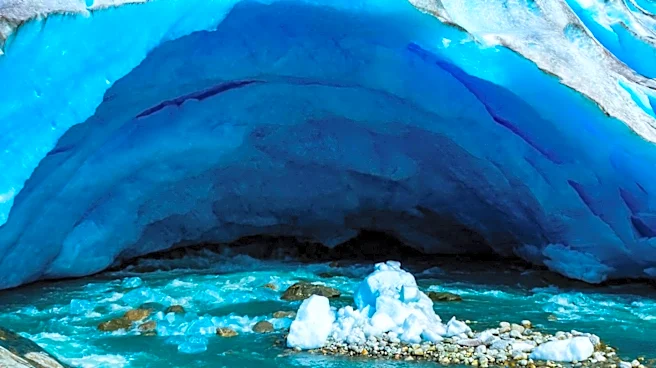
has completely vanished due to climate change. Samuel Mendoza, a former caretaker of the ski resort, witnessed the glacier's decline, which accelerated dramatically between 1992 and 1998, losing over 40% of its surface area and two-thirds of its ice volume. By 2009, the glacier was gone. The federation is making trail running accessible, keeping race entries inexpensive, and offering youth competition categories to qualify for international events. This initiative aims to revitalize mountain sports in Bolivia following the collapse of skiing.
Why It's Important?
This development highlights the direct and significant impact of climate change on traditional sports and local economies, forcing communities to adapt. The disappearance of the Chacaltaya glacier underscores the broader issue of tropical glacier melt across the Andes, which are thinning 35% faster than the global average. This trend not only affects recreational activities but also poses a severe threat to the water supply for approximately 90 million people and the hydroelectric power generation in Andean municipalities. The pivot to trail running demonstrates a community's resilience and innovative approach to maintaining mountain sports culture and economic activity in the face of environmental challenges, potentially serving as a model for other regions experiencing similar climate impacts.
What's Next?
The Bolivian Ski and Mountaineering Federation plans to continue expanding its trail running and skyrunning programs, with ambitions to host South American championships and potentially youth world championships in Bolivia. The federation aims to make these sports more accessible to a wider population, moving away from the historically elite nature of skiing. This includes ongoing efforts to secure funding and develop new generations of athletes. The success of these initiatives could establish Bolivia as a significant hub for high-altitude endurance sports, attracting international participants and further adapting to the changing mountain landscape. The long-term viability of these sports will depend on continued community engagement and support.
Beyond the Headlines
The story of Chacaltaya Mountain transcends a simple shift in sports; it represents a profound cultural and environmental transformation. The loss of the glacier signifies a tangible consequence of global warming, impacting not only the physical landscape but also the memories and livelihoods of individuals like Samuel Mendoza, who dedicated their lives to the ski resort. The transition to trail running reflects a broader societal adaptation to climate realities, where communities must find new ways to interact with and derive value from their changing natural environments. This narrative also touches upon themes of accessibility and inclusivity in sports, as the federation strives to make trail running a sport for everyone, contrasting with the more exclusive past of skiing.