





What's Happening?
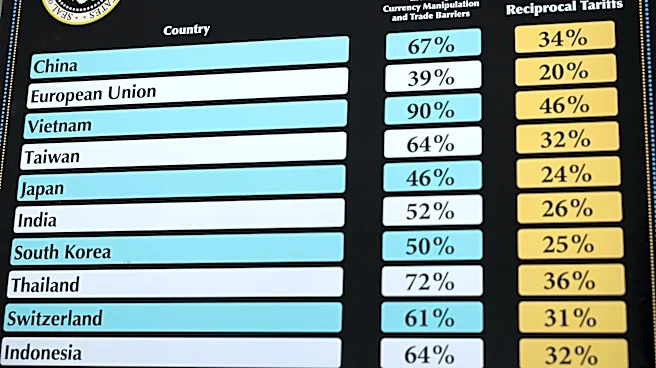
The Trump administration has proposed a new round of tariffs on imports from the European Union, China, and other trade partners. This move follows an investigation into what the administration describes as unfair manufacturing practices. The proposed tariffs on China could
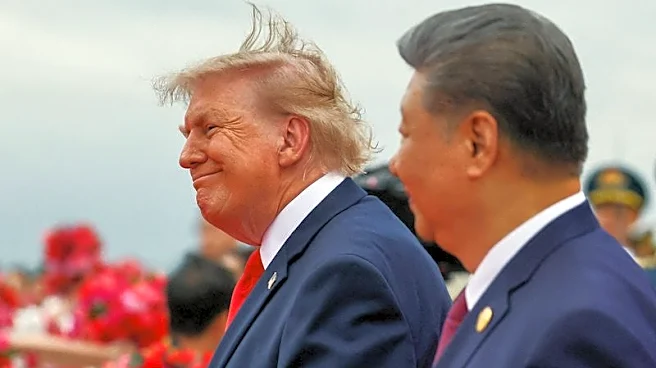
be at least 20%, potentially rising to 40% if ongoing talks between the two nations fail. The current trade truce between the U.S. and China is set to expire in January. These new duties will be implemented under Section 301 of the Trade Act of 1974, a statute increasingly utilized by the White House after the Supreme Court blocked many of President Trump's 2025 country-specific tariffs imposed under different authority. U.S. Trade Representative Jamieson Greer stated that the overall tariff rates applied to each trading partner would not exceed previously agreed-upon bilateral framework trade deals, noting that the new tariffs are targeted to address 'excess capacity.' The new tariffs will not stack on top of existing duties, except in the case of China.
Why It's Important?
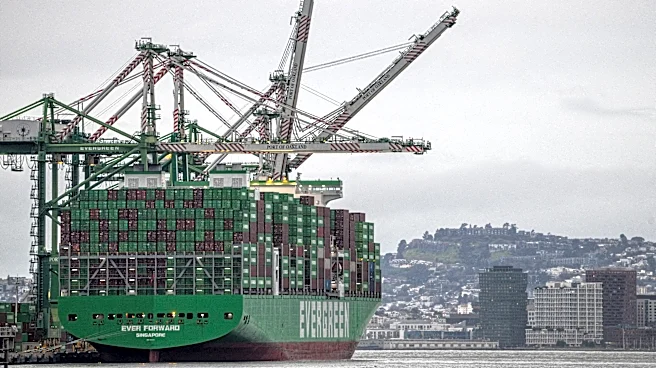
This new wave of proposed tariffs could significantly impact global trade relations and the U.S. economy. For American consumers, increased tariffs may lead to higher prices for imported goods, contributing to inflationary pressures. U.S. industries that rely on imported components from these regions could face increased production costs, potentially affecting their competitiveness and profitability. The move also risks escalating trade tensions with key economic partners like China and the European Union, potentially leading to retaliatory tariffs that could harm U.S. exports. This policy reflects a continued focus by the Trump administration on using tariffs as a tool to address perceived unfair trade practices and protect domestic industries, a strategy that has previously drawn criticism for its economic consequences and impact on international alliances. The timing, less than a month after midterm elections where inflation was a significant factor, highlights the ongoing debate about the economic effects of such trade policies.
What's Next?
The proposed tariffs are expected to be followed by a 'broad' negotiation process with trading partners, as indicated by U.S. Trade Representative Jamieson Greer. These tariffs are not anticipated to take effect for at least a couple of months, allowing for discussions and potential adjustments. However, initial reactions from affected parties suggest continued friction. China's Commerce Ministry has already rejected the basis for the new tariffs, calling 'overcapacity' a false proposition and opposing its use for political manipulation. Similarly, the European Union, while sharing concerns about overcapacity, expressed regret over the lack of joint action with the U.S. and rejected the premise that Europe is a source of structural overcapacity. Tensions also remain with Canada, with ongoing informal talks to resolve outstanding 'sticking points.' Mexico was notably absent from this round of tariff proposals, as its investigation process is still underway.
Beyond the Headlines
The administration's continued reliance on Section 301 of the Trade Act of 1974 for imposing tariffs signals a strategic shift in trade policy, moving away from multilateral frameworks and towards unilateral actions. This approach raises questions about the future of international trade governance and the role of organizations like the World Trade Organization. The concept of 'excess capacity' as a justification for tariffs also highlights a broader economic debate about industrial policy and global supply chains. While the administration frames these tariffs as a defense of domestic industries, critics argue they can disrupt global economic stability and harm consumers. The ongoing trade disputes could also have geopolitical implications, influencing alliances and rivalries as nations reassess their economic dependencies and trade relationships in response to protectionist measures. This strategy could lead to a more fragmented global economy, with countries increasingly prioritizing national interests over integrated global markets.