






What's Happening?
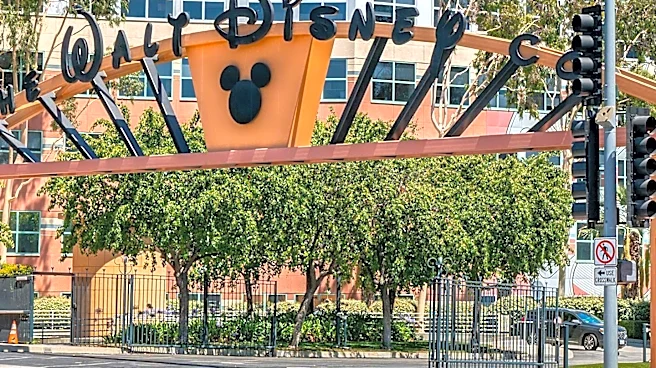
Disney has laid off several hundred employees across multiple divisions, with Pixar experiencing the largest share of cuts. The layoffs affected Pixar's headquarters in Emeryville, California, as well as Disney Entertainment Television, Disney Studios,
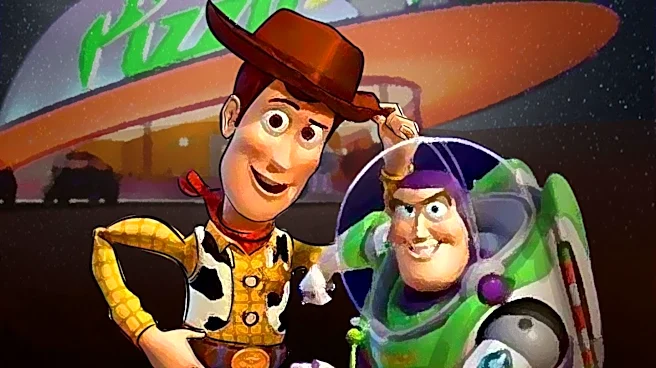
and ESPN. Despite Pixar's recent box office success with 'Toy Story 5,' the company faced its largest round of layoffs in two years. ESPN also cut several high-profile on-air personalities. The layoffs are part of Disney's efforts to streamline operations amid industry changes.
Why It's Important?
The layoffs at Disney reflect the challenges faced by media companies in adapting to shifting industry dynamics. Despite successful box office performances, Pixar's workforce reductions highlight the pressures of maintaining profitability in a competitive market. The cuts at ESPN indicate the impact of changing media consumption patterns and the need for strategic restructuring. These developments may affect employee morale and raise questions about the future direction of Disney's entertainment divisions.
What's Next?
Disney may continue to evaluate its organizational structure and make further adjustments to align with industry trends. The company might explore new content strategies and partnerships to enhance its competitive position. Stakeholders, including employees and investors, will likely monitor Disney's actions closely, as they could influence the company's long-term growth and market presence. The layoffs may also prompt discussions on workforce management and innovation in the entertainment sector.
Beyond the Headlines
The layoffs at Disney underscore broader issues of economic uncertainty and the impact of technological advancements on traditional media. As companies navigate the complexities of digital transformation, the need for agile business models becomes apparent. The situation raises ethical considerations regarding employee welfare and corporate responsibility. It also highlights the cultural significance of entertainment brands and their role in shaping consumer experiences.