


What's Happening?
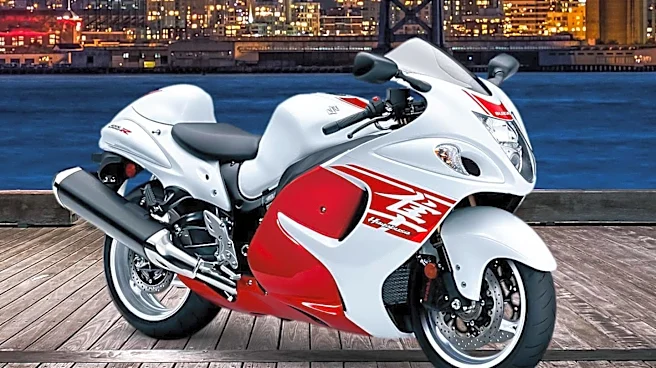
Laurence Fishburne, known for his iconic roles, showcased his genuine passion for motorcycles in the 2003 film 'Biker Boyz,' where he portrayed underground motorcycle racing champion Manuel 'Smoke' Galloway. The film prominently featured a 1999 Suzuki
Hayabusa, which, as of 2023, is on display at the Barber Vintage Motorsports Museum in Birmingham, Alabama. This particular motorcycle is equipped with an inline 4-cylinder 1298 cc DOHC engine and a 6-speed constant mesh, known for its aerodynamic design and enduring as a strong Suzuki model. Unlike many actors who might feign interest in vehicles for a role, Fishburne is a dedicated motorcycle enthusiast and a member of the prestigious Guggenheim Motorcycle Club. He has been riding motorcycles for years, even training on tracks for previous roles, reaching speeds of 105 mph on a GSXR during training for 1996's 'Fled.' His commitment to motorcycling was further highlighted in a 2015 appearance on 'Jay Leno's Garage,' where he rode a BMW S1000RR at high speeds on a closed track. His personal collection includes a Captain America chopper, an Indian, a Ducati, and a BMW R1100 RSL.
Why It's Important?
This story highlights the authentic connection between an actor's personal interests and their professional work, which can significantly enhance the realism and depth of a performance. For the motorcycle industry, particularly Suzuki, the prominent display of the 1999 Hayabusa in a film and its subsequent museum placement serves as a valuable, long-term marketing asset, reinforcing the model's legacy and appeal. It also underscores the cultural impact of specific motorcycle models, turning them into recognizable symbols beyond their functional purpose. For film enthusiasts, Fishburne's genuine riding skills add credibility to 'Biker Boyz,' even if the film itself wasn't a critical success. This authenticity can resonate with audiences, especially those within the motorcycle community, fostering a deeper appreciation for the film's portrayal of motorcycle culture. Furthermore, the story subtly promotes motorcycle riding as a legitimate and engaging hobby, potentially inspiring new enthusiasts and contributing to the broader motorcycle lifestyle and market.
What's Next?
The 1999 Suzuki Hayabusa's continued display at the Barber Vintage Motorsports Museum ensures its ongoing visibility and historical recognition within the motorcycle community. This permanent exhibition will likely continue to attract visitors interested in both film memorabilia and iconic motorcycle models, preserving the legacy of the bike and its connection to 'Biker Boyz.' For Laurence Fishburne, his sustained involvement in the motorcycle community, as evidenced by his club membership and appearances on shows like 'Jay Leno's Garage,' suggests he will continue to be an advocate for motorcycling. This ongoing association could lead to future collaborations or endorsements within the automotive or entertainment industries, further blending his personal passion with his public persona. The enduring appeal of classic motorcycles and the celebrity endorsement of such hobbies will likely continue to influence collectors and enthusiasts, potentially driving interest in vintage models and the culture surrounding them.
Beyond the Headlines
Beyond the immediate narrative, Fishburne's deep engagement with motorcycling challenges the often-superficial portrayal of hobbies in Hollywood. It underscores the value of authenticity in storytelling, where an actor's real-life skills and passions can elevate a role beyond mere performance. This authenticity can foster a more genuine connection with niche audiences, such as the motorcycle community, who are often critical of inauthentic representations. The story also touches upon the broader cultural significance of specific vehicles, transforming them from mere machines into symbols of identity, freedom, and subculture. The 1999 Suzuki Hayabusa, through its cinematic appearance and museum presence, transcends its mechanical origins to become a piece of cultural history. This phenomenon highlights how popular culture can imbue objects with meaning, creating lasting legacies that extend far beyond their initial commercial purpose, influencing design, engineering, and even personal aspirations.