








What's Happening?
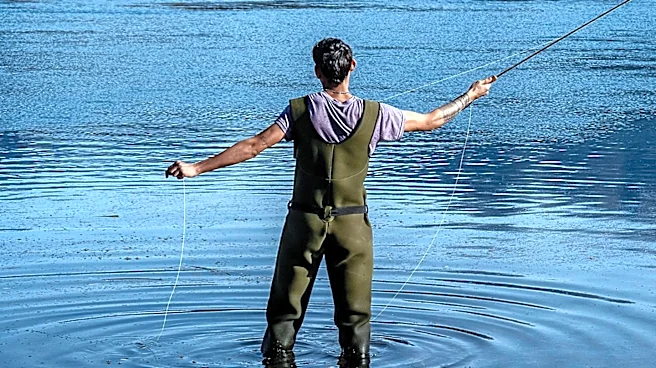
Fly fishing, often perceived as an exclusive pursuit for the wealthy, is fundamentally governed by knowledge and respect for nature rather than financial status. Experts in the field, such as world-renowned guide Oliver White, assert that true currency
in fly fishing is competence in casting, knot tying, and understanding the environment, rather than the ability to purchase expensive gear or access private waters. The sport's social code, as outlined by Paul N. Fling and Donald L. Puterbaugh in 'The Fly Fisherman’s Primer,' boils down to common sense: never crowding other anglers, respecting the fish, and maintaining quietude on the river and about fishing spots. Conservation is a core tenet, requiring careful handling of fish, awareness of water temperatures, and avoiding disturbance of spawning fish. The perception of fly fishing as an elite hobby has intensified with the rise of ultra-luxury lodges and exclusive expeditions, yet seasoned anglers prioritize skill and ethical practice.
Why It's Important?
The emphasis on competence and conservation in fly fishing challenges the prevailing notion that wealth dictates access and success in certain leisure activities. This perspective is crucial as it democratizes the sport, highlighting that genuine engagement comes from skill and respect for the environment, rather than material possessions. For U.S. industries, particularly in outdoor recreation and tourism, this focus can shift marketing strategies towards educational experiences and sustainable practices rather than solely luxury offerings. It also underscores the growing importance of environmental stewardship, as anglers are encouraged to protect natural habitats and fish populations. The 'quiet flex' of competence fosters a community built on shared passion and expertise, potentially attracting a broader demographic to the sport and ensuring its long-term health and ethical practice across various U.S. regions known for fly fishing, such as Montana, Wyoming, and North Carolina.
What's Next?
The continued growth of fly fishing, driven by its meditative qualities and connection to nature, suggests an ongoing need for education on proper etiquette and conservation. Guides and lodges, particularly in the U.S., will likely continue to play a vital role in teaching newcomers the essential skills and ethical considerations. This could lead to increased demand for guided trips and instructional programs that prioritize environmental responsibility. As the sport gains popularity, there may be a greater push for accessible public waters and conservation efforts to protect these resources from overfishing or environmental degradation. The industry may also see a rise in demand for gear that is both high-performing and sustainably produced, reflecting the values of the fly fishing community. The focus on 'earned knowledge' will likely perpetuate a culture where experience and respect for the sport's traditions are highly valued.
Beyond the Headlines
Beyond its recreational appeal, fly fishing embodies a deeper philosophy of patience, observation, and harmony with nature. The 'unsolvable' nature of the sport, as described by PJ Leathers, reflects life's unpredictable elements and the continuous learning required to navigate them. This pursuit offers a 'moment of zen,' providing a mental escape that requires just enough focus to clear the mind without being taxing, often in beautiful natural settings. The sport's strong conservation ethic highlights a broader societal shift towards environmental consciousness, where recreational activities are increasingly intertwined with ecological responsibility. The cultural impact of works like 'A River Runs Through It' demonstrates how fly fishing can symbolize family, memory, and the quest for understanding, transcending its status as a mere hobby to become a profound personal and cultural experience in the U.S. and beyond.