







What's Happening?
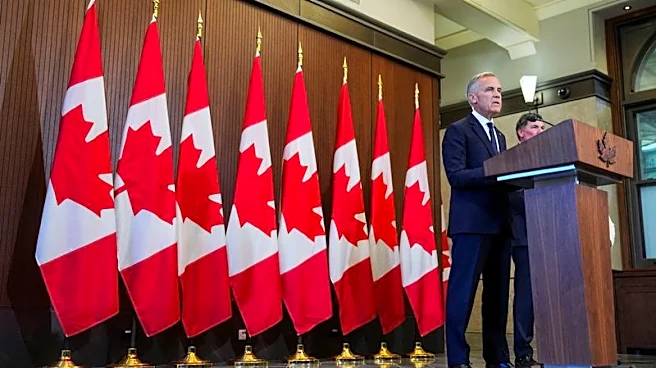
Canada has announced it will impose retaliatory tariffs on the United States after trade negotiations between the two countries collapsed. Canadian Prime Minister Mark Carney stated that Canada would match President Trump's new wave of tariffs "dollar-for-dollar."
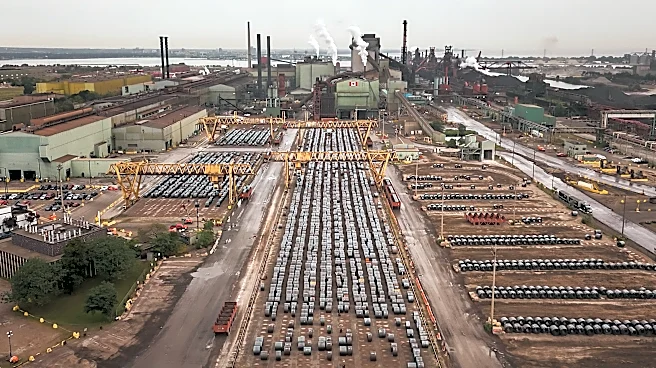
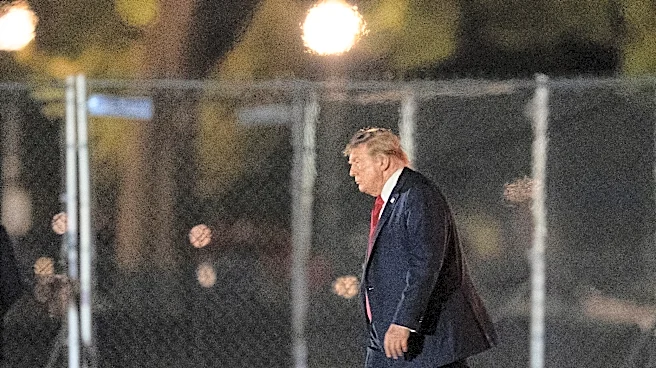
This decision comes after the U.S. indicated plans to impose 50% tariffs on $20 billion worth of Canadian products. The breakdown in talks signifies a significant escalation in trade tensions between the two North American neighbors. Olivia Rinaldi reported on the developments, highlighting the immediate response from the Canadian government to the U.S. tariff announcement. The move by Canada is a direct countermeasure to protect its economic interests against the new U.S. trade policies.
Why It's Important?
This development is significant for U.S. industries and consumers as it signals a potential trade war with a major economic partner. The imposition of tariffs by both nations could lead to increased costs for imported goods, affecting supply chains and consumer prices. U.S. businesses that rely on Canadian imports or export to Canada may face reduced profitability and competitiveness. Sectors such as agriculture, manufacturing, and automotive, which have strong cross-border ties, are particularly vulnerable. The tit-for-tat tariff actions could disrupt established trade relationships and force companies to seek alternative markets or suppliers, leading to economic uncertainty and potential job losses in affected industries. The broader implication is a strain on diplomatic relations and economic stability between two historically close allies.
What's Next?
The immediate next steps will likely involve the implementation of the announced tariffs by both the U.S. and Canada. This could lead to further retaliatory measures from either side, escalating the trade dispute. Businesses in both countries will need to assess the impact of these tariffs on their operations, potentially adjusting pricing strategies, supply chains, and market focus. Political leaders may face pressure from affected industries and consumers to de-escalate the situation, though the current stance suggests a firm commitment to their respective trade policies. Future negotiations, if any, would need to address the core disagreements that led to the collapse of the recent talks, potentially involving mediation or new frameworks for trade relations.
Beyond the Headlines
Beyond the immediate economic impact, this trade dispute could have long-term implications for regional economic integration and global trade norms. It challenges the principles of free trade and could encourage other nations to adopt protectionist measures, leading to a more fragmented global economy. The dispute also highlights the complexities of international trade agreements and the potential for political shifts to rapidly alter economic landscapes. Furthermore, it could influence future bilateral and multilateral trade negotiations, as countries may become more cautious about entering agreements that could be unilaterally altered. The situation underscores the delicate balance between national economic interests and the benefits of international cooperation.