






What's Happening?
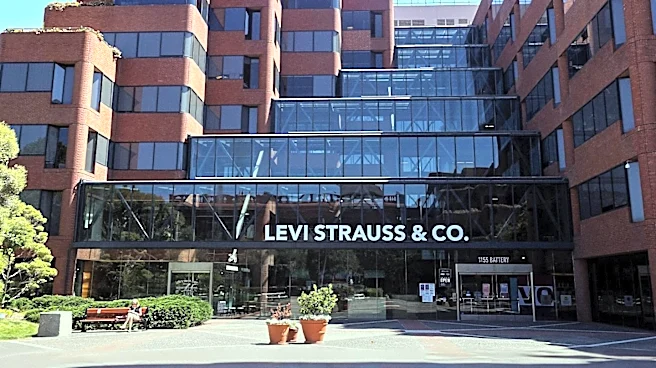
Levi Strauss & Co. is actively recruiting part-time tailors for its retail locations, including the Citadel Outlets in Commerce, CA. The company is seeking individuals who can perform basic alterations such as hemming, patch and repair, and tapering,
as well as more technical alterations. These tailors are expected to possess strong customer service skills, educate store teams on tailoring services, and resolve consumer concerns in line with company policy. Candidates should have a thorough understanding of the denim industry, textiles, and fabric repair, with a minimum of three years of sewing/tailoring experience and knowledge of machines used in denim production. Levi Strauss & Co. highlights its long history of innovation since 1873, including inventing the blue jean and expanding into various apparel categories while maintaining a commitment to sustainability and ethical practices.
Why It's Important?
The recruitment of skilled tailors by Levi Strauss & Co. underscores a strategic focus on enhancing the in-store customer experience and reinforcing the brand's heritage of quality and craftsmanship. By offering on-site alteration services, Levi's aims to provide a personalized touch that differentiates it in the competitive retail apparel market. This initiative can foster greater customer loyalty by ensuring a perfect fit and extending the lifespan of garments, aligning with broader consumer trends towards sustainability and bespoke services. For the retail industry, this move could signal a shift towards integrating specialized services within brick-and-mortar stores to attract and retain customers, offering more than just product sales. It also creates employment opportunities for skilled tradespeople in tailoring, a craft that combines traditional techniques with modern fashion demands.
What's Next?
Levi Strauss & Co. will likely continue to integrate and expand its tailoring services across more retail locations, potentially setting a new standard for customer engagement in the apparel sector. The company's emphasis on training store teams on tailoring offerings suggests a broader effort to embed these services into the core retail experience. Success in this endeavor could lead other apparel brands to consider similar in-store customization and repair services, further elevating the importance of skilled tailoring in retail. The ongoing recruitment for these roles indicates a sustained commitment to this customer-centric approach, with potential for growth in both the number of tailor positions and the scope of services offered.
Beyond the Headlines
This move by Levi Strauss & Co. reflects a deeper trend in consumer culture: a growing appreciation for durability, customization, and the story behind a product. In an era of fast fashion, the ability to alter and repair clothing speaks to a desire for longevity and a more sustainable consumption model. By investing in tailoring, Levi's is not just offering a service; it's reinforcing its brand identity as a purveyor of enduring, high-quality garments. This could also influence perceptions of value, shifting consumer focus from disposable trends to investment pieces that can be maintained and adapted over time. Ethically, it promotes a more responsible approach to fashion, encouraging repair over replacement and potentially reducing textile waste.