





What's Happening?
A recent study highlights the significant impact of affluent Americans on U.S. inflation, as their spending habits increasingly drive consumer demand. The top 10% of earners are responsible for a substantial portion of discretionary spending, which includes
luxury goods, travel, and entertainment. This trend is contributing to a 'K-shaped' economic recovery, where wealthier households continue to spend robustly while lower-income groups face financial constraints. As a result, inflation remains elevated, with businesses less pressured to lower prices due to sustained demand from affluent consumers.
Why It's Important?
The spending behavior of wealthy Americans plays a crucial role in shaping inflationary trends in the U.S. economy. As these consumers continue to spend despite rising prices, inflation may persist longer than anticipated, affecting economic policy and interest rates. This dynamic underscores the growing economic divide, where the financial health of lower-income households is increasingly disconnected from overall economic indicators. Policymakers and businesses must consider these disparities when addressing inflation and economic recovery strategies.
What's Next?
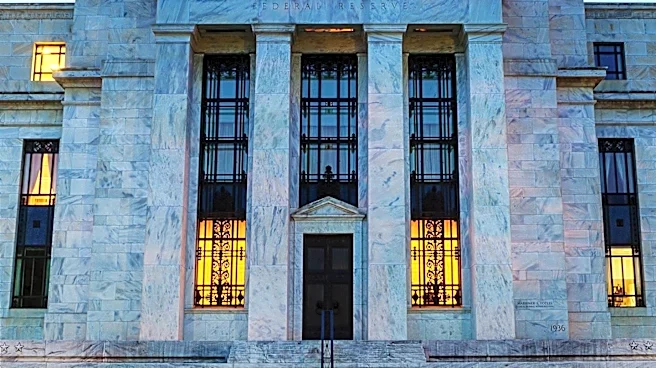
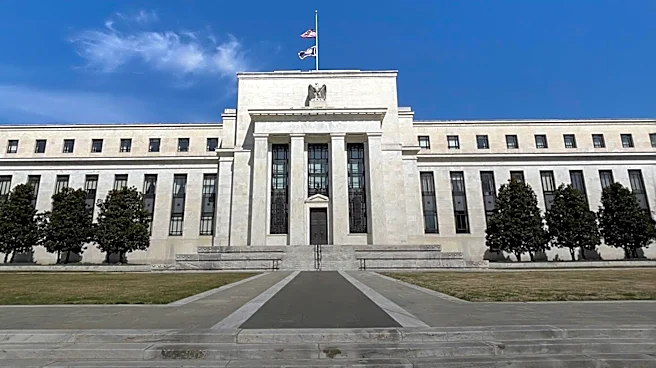
If affluent consumers maintain their spending levels, inflation could remain high, prompting potential policy responses from the Federal Reserve. This situation may lead to further interest rate adjustments to manage inflationary pressures. Additionally, businesses might continue to focus on catering to high-income consumers, potentially widening the economic gap. Monitoring these trends will be essential for understanding the broader implications for economic stability and growth.