



What's Happening?
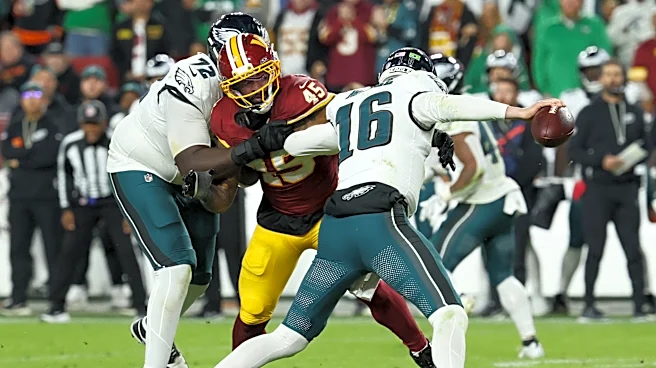
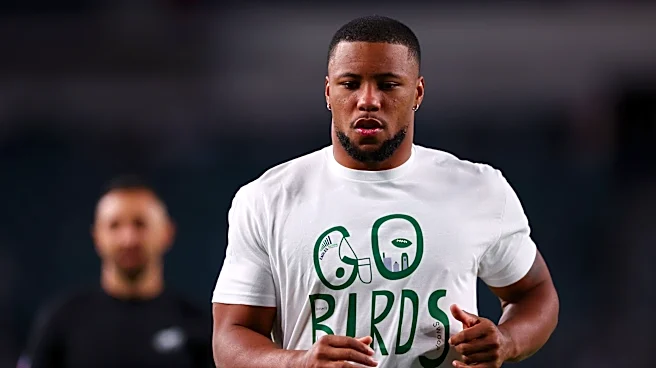
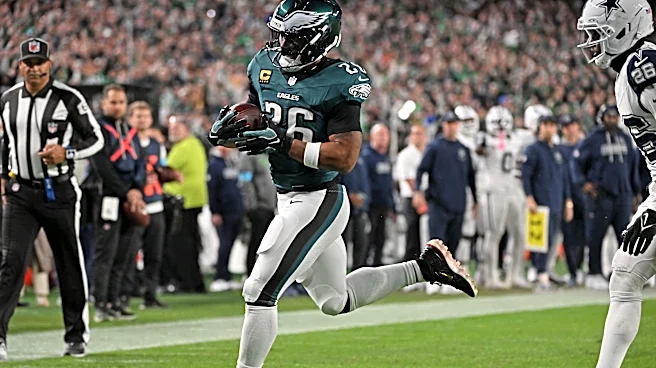
The Philadelphia Eagles have decided to keep running back Saquon Barkley, opting against trading him before the NFL trade deadline. This decision comes despite the team's current six-game losing streak, including a recent 27-10 defeat to the Washington
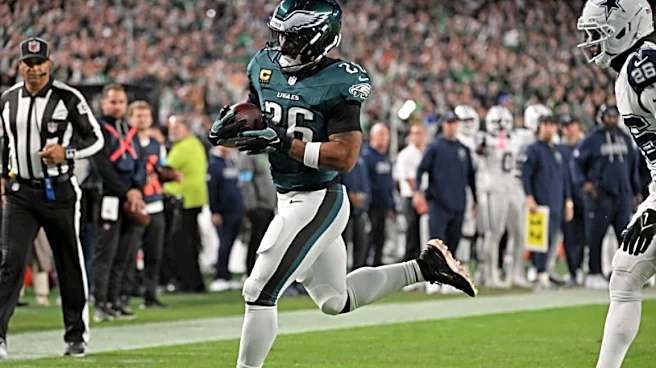
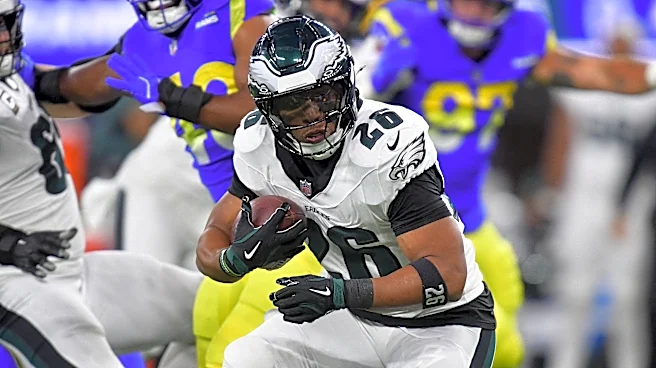
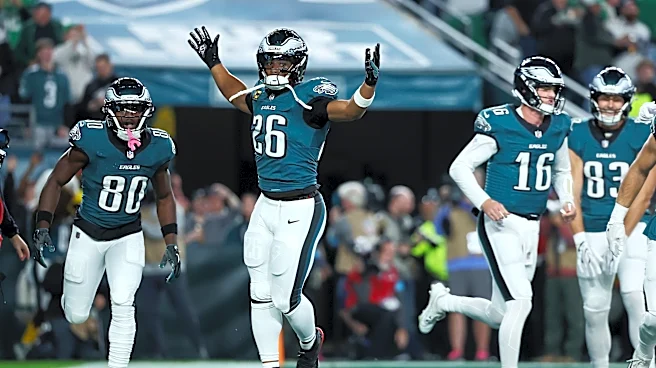
Commanders. General Manager Howie Roseman and the front office had previously assured Barkley he would remain with the team. Barkley himself has expressed a desire to stay and help the Eagles overcome their current challenges, stating his commitment to being a leader and contributing to a turnaround. He believes he can be a reason for the team to fix its issues, drawing on past experiences of helping to improve teams in difficult situations.
Why It's Important?
The Eagles' decision to retain Saquon Barkley highlights a strategic choice to prioritize leadership and stability over potential trade assets, especially during a challenging period for the team. Barkley's presence is seen as crucial for maintaining team culture and providing veteran guidance in a locker room that has seen a reduction in experienced leaders. Trading Barkley would also incur a significant financial penalty, with an estimated $26.5 million in dead-cap money in 2027, making a trade financially unappealing. Furthermore, given his age (29) and position, the return value in a trade would likely be insufficient to justify his departure, reinforcing the team's commitment to his role both on and off the field.
What's Next?
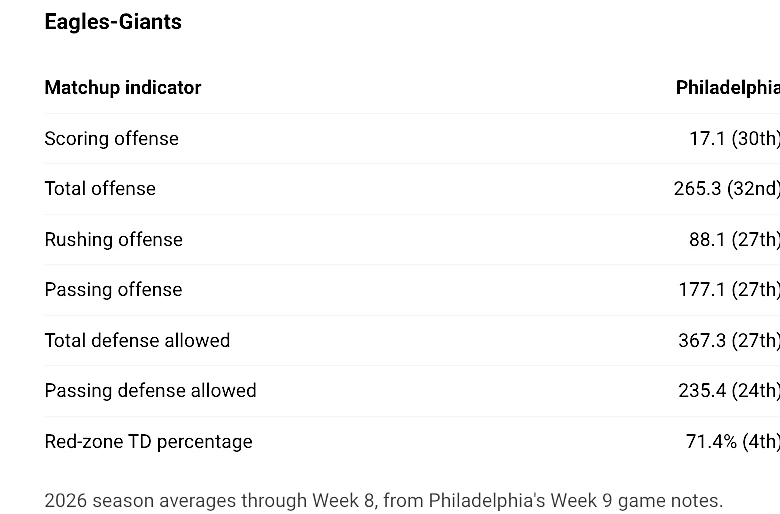
Saquon Barkley is expected to continue his role as a key player and leader for the Philadelphia Eagles as they attempt to reverse their current losing streak. His immediate focus will be on contributing to the team's performance and helping to address the issues that have led to their recent struggles. The Eagles will face Barkley's former team, the New York Giants, in their next game, which could add an interesting dynamic to his continued tenure. The team's front office will likely continue to rely on Barkley's leadership and experience to navigate the remainder of the season and potentially rebuild for future success, rather than seeking short-term trade benefits.
Beyond the Headlines
The Eagles' decision to keep Saquon Barkley reflects a broader organizational philosophy regarding player value beyond on-field statistics, particularly in the context of team morale and leadership. In an era where player transactions are often driven by immediate performance and financial calculations, retaining a veteran like Barkley, even amidst a slump, underscores the intangible benefits of experience and character. This approach suggests a long-term view of team building, emphasizing the importance of foundational players who can influence culture and provide stability during periods of adversity, rather than solely focusing on draft picks or salary cap flexibility.